


Serbian
Grill and rakija — the hearty heart of the Balkans.
Ćevapi
Serbia's signature dish — skinless finger-shaped sausages made from a blend of finely-ground beef, lamb, and pork, mixed with finely-chopped onion, garlic, salt, pepper, and paprika, then grilled fresh over hot charcoal. Served in a fresh lepinja flatbread with raw chopped onion, ajvar relish, and a spoonful of kajmak. The Balkan-shared grilling tradition at its most-developed.
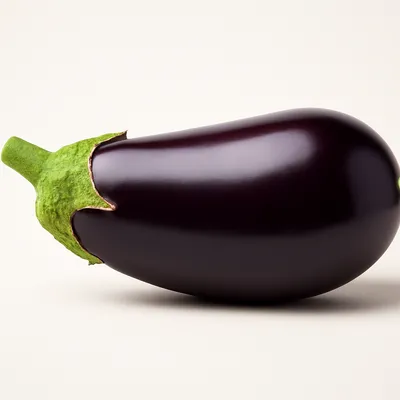
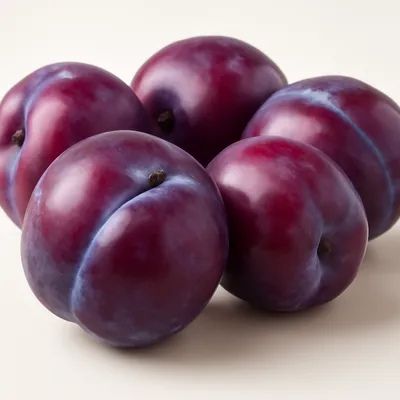
View page →Serbia sits at the geographic and cultural heart of the Balkans, and its cooking has absorbed half a millennium of Ottoman influence, Habsburg sophistication, and Pannonian-plain agricultural abundance. The foundation is meat — beef, pork, lamb — grilled over hardwood charcoal at every kafana and backyard. Ćevapi, the small finger-shaped beef-pork sausages, and pljeskavica, the large hand-shaped patty, are universal across every Serbian town. Sarma — sauerkraut leaves wrapped around pork-rice-onion, slow-cooked for 3 hours with smoked ribs — is the Christmas-Eve and Slava-feast centerpiece. Pasulj (white-bean soup with smoked pork), gibanica (the cheese-and-phyllo pie eaten for Sunday breakfast), and proja (cornmeal bread with kajmak and cheese) are the everyday family meals. Ajvar (the slow-roasted red-pepper-eggplant relish) accompanies everything. Belgrade's Skadarlija quarter is the bohemian dining heart; Novi Sad's Petrovaradin Fortress overlooks the Danube plain. Plums and the rakija (slivovica) that comes from them are the social-fabric beverage. The Serbian Orthodox liturgical calendar and Slava family-saint celebrations have shaped the cuisine for 1,000 years.
The Palate
Start Here
Beef-and-pork finger-shaped sausages, hand-shaped, rested overnight, then grilled fresh over hardwood-charcoal embers until mahogany-charred. Served on warm lepinja with raw chopped onion, ajvar relish, and a spoonful of kajmak.
Why start here · Serbia's universal kafana dish — the same recipe in Belgrade, Novi Sad, Niš. The first dish every Serbian child eats, the football-night meal, the wedding plate. Start here.
Fermented sauerkraut (kiseli kupus) leaves wrapped around a pork-beef-rice-onion filling, layered in a deep pot with smoked pork ribs and sausage, slow-braised 3 hours. Served with sour cream and bread.
Why start here · The most-important Serbian celebration dish. Christmas Eve, Slava feasts, Easter — sarma is the table centerpiece for every major family gathering. The fermentation defines the flavor.
Paper-thin phyllo (kore) layered with a mixture of fresh white cheese, sour cream, eggs, and a touch of yogurt, baked until golden and puffy. Eaten warm for breakfast with yogurt, room-temperature as a savory snack.
Why start here · Found in every Serbian home, bakery, and Christmas-feast table. The Sunday-morning bake that every Serbian grandmother has perfected. The Slavic answer to French quiche.
The Pantry





See all 68 ingredients›











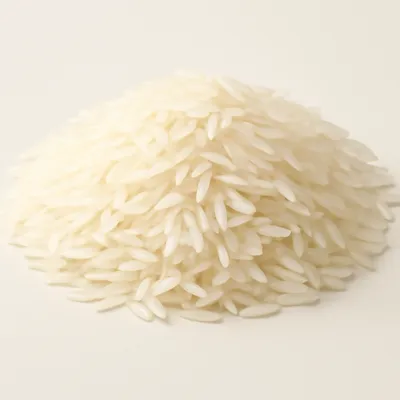

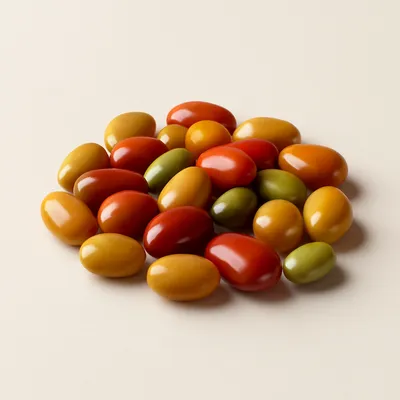


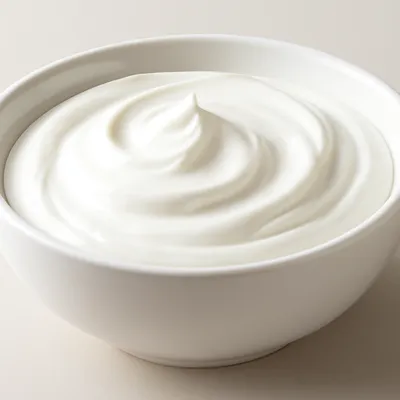









On the Map
Where this cuisine is found
Regional Styles
Belgrade and Šumadija
The capital and Šumadija central-Serbia heartland. Skadarlija bohemian dining, traditional kafanas, the most-developed urban food culture.
Vojvodina (Pannonian Plain)
The northern flat agricultural region. Hungarian and Slovak influences, paprika-heavy cuisine, fresh cheese and kajmak traditions.
South Serbia and Pirot
Serbian highlands toward Macedonia and Bulgaria. Charcoal grilling, smoked-meat traditions, ajvar production heart.
How They Cook
Techniques that define this cuisine
See 8 more techniques›
Kindred Kitchens
Cuisines built on the same signature ingredients


