


Armenian
Khorovats kebabs over apricot-wood fires, khash cow's-foot broth at sunrise, spas yogurt-and-grain soup for winter mornings, ghapama pumpkin stuffed with rice and dried fruit for autumn — Armenian cooking is highland-plateau food built on lavash bread, apricot, pomegranate, and the oldest Christian table in the world.
Khorovats
Armenia's signature dish — cubed pork, lamb, or beef marinated overnight with onion, salt, and black pepper (no excessive spice), then threaded on long metal skewers (shamper) and grilled over open vine-wood embers until the outside is mahogany-crusted and the inside is rare-medium. Served on a sheet of lavash with grilled vegetables, fresh herbs, and pomegranate molasses.
View page →Armenia is the cuisine of the South Caucasus highlands, and it is among the oldest documented in the world — Urartian, Hittite, and ancient Anatolian roots extend back over 3,000 years. The foundation is lavash — paper-thin flatbread baked on the walls of a tonir clay oven (UNESCO Intangible Cultural Heritage). Lamb, bulgur, eggplant, walnut, pomegranate, and matzun (yogurt) define the everyday plate. Khorovats, the Armenian barbecue, is the universal grilling tradition: cubed meat marinated only with salt-pepper-onion, then cooked over vine-wood embers and wrapped in lavash with herbs and pomegranate molasses. Khash — cow's feet slow-simmered overnight into a pure-white collagenous broth — is the pre-dawn winter ritual eaten with raw garlic and chilled vodka. Spas (yogurt-bulgur soup), kufta (steamed meat-and-bulgur dumplings), and harissa (slow-cooked wheat-and-lamb porridge) are the wintertime comfort dishes. Harissa symbolizes survival: during the 1915 genocide, refugees in the Musa Dagh mountains survived on communal cauldrons of it. The Armenian diaspora — Beirut, Aleppo, Los Angeles, Buenos Aires — has carried the cuisine to every continent.
The Palate
Start Here
Cubed pork or lamb marinated only with salt-pepper-onion, then grilled over vine-wood embers until the outside is mahogany-charred and the inside stays rare-juicy. Served on lavash with herbs, grilled vegetables, and pomegranate molasses.
Why start here · Armenia's universal grilling tradition. The 3,000-year-old barbecue that defines every Sunday family lunch, every namesake-day celebration, every wedding.
Cow's feet slow-simmered overnight 12-16 hours into a pure-white, intensely-gelatinous broth seasoned only with salt. Served at dawn with raw garlic, dry lavash, and chilled vodka.
Why start here · The most-traditional Armenian winter ritual. A dish that requires patience, family, and the willingness to wake at 6 AM in January. Profoundly nourishing.
Whole pumpkin hollowed and stuffed with rice, dried apricots, prunes, raisins, walnuts, butter, honey, and cinnamon, then slow-baked. Sliced at the table for the dramatic reveal.
Why start here · Armenia's harvest-season centerpiece. The dish that crowns every Christmas Eve and was made famous in the diaspora by Cher's grandmother's recipe.
The Pantry






See all 64 ingredients›




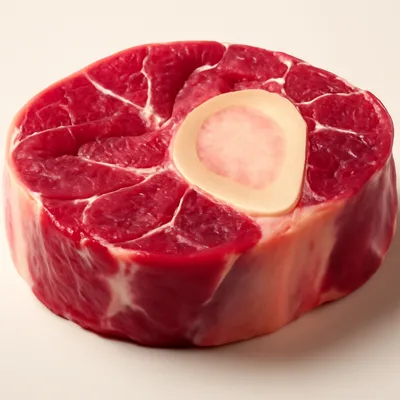
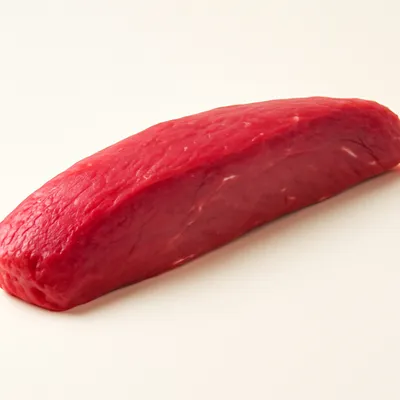
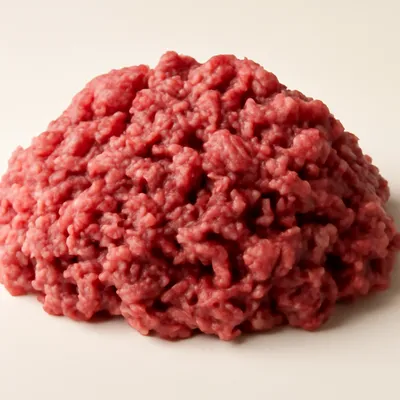

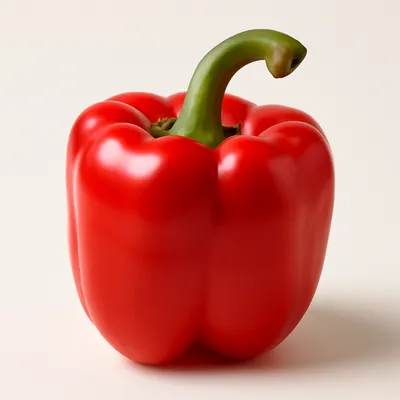
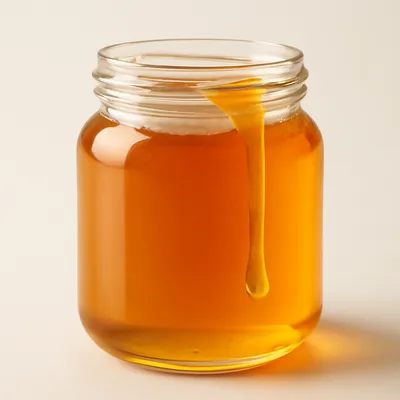
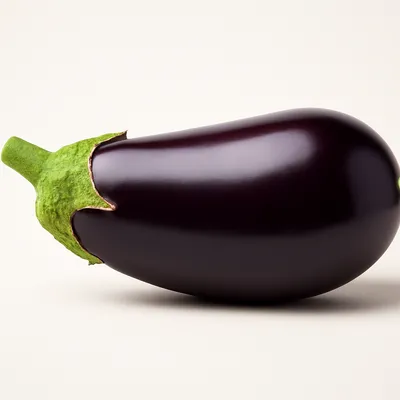


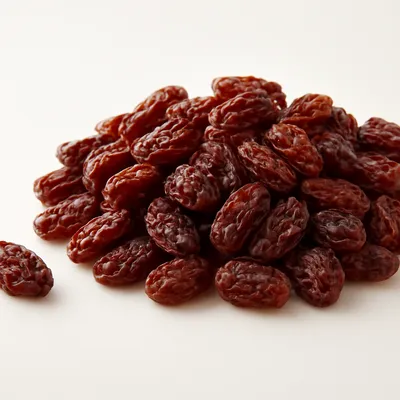

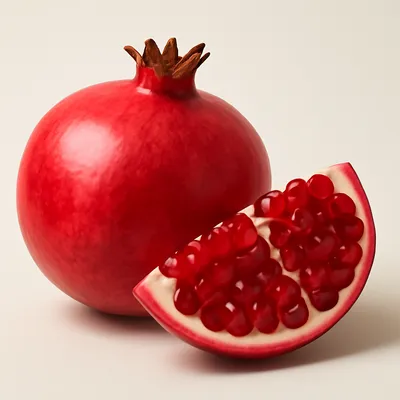



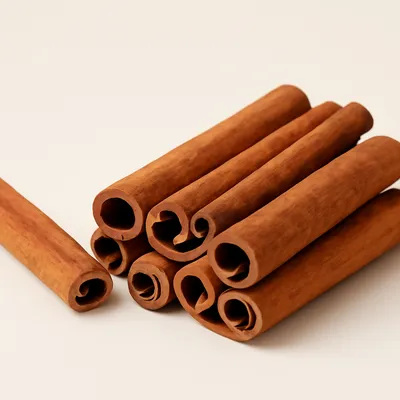
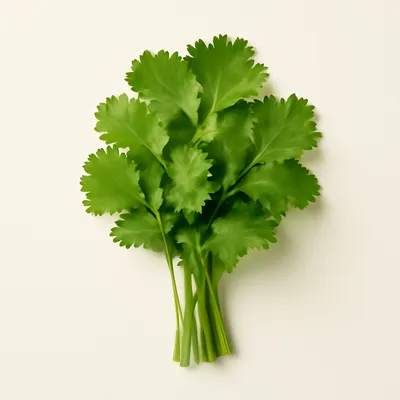
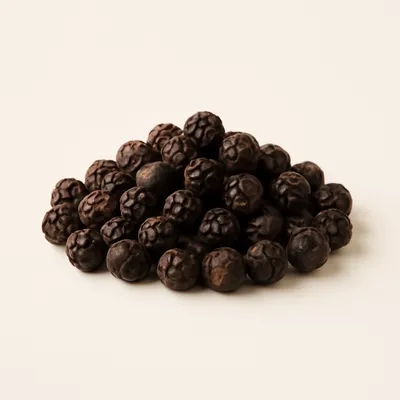
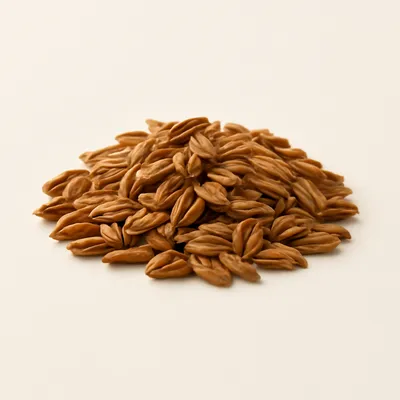
Grains & Staples


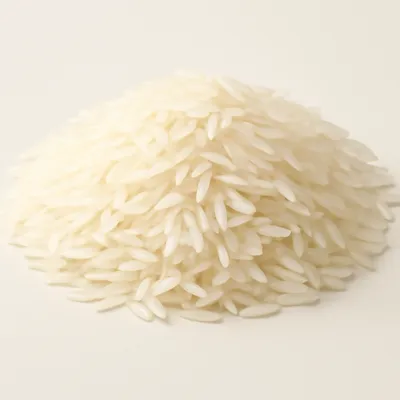

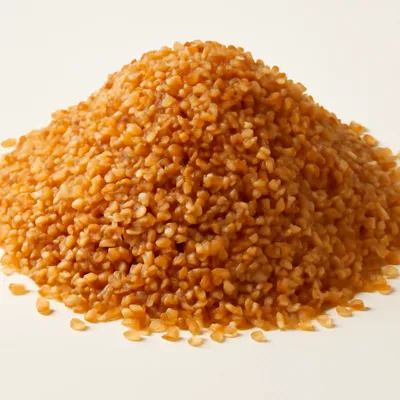


Other

On the Map
Where this cuisine is found
Regional Styles
Yerevan and the Central Highlands
The capital and Armenian heartland. Khorovats grills along the river, traditional churches, and the most-developed urban food culture.
Lori and the North
Sheep-pastoral hills near the Georgian border. More dill, more lamb, more bulgur-and-cheese traditions.
Diaspora (Beirut, Aleppo, Glendale)
Lebanese-Armenian, Syrian-Armenian, and American-Armenian preservation and adaptation of the traditions.
How They Cook
Techniques that define this cuisine
See 8 more techniques›
Kindred Kitchens
Cuisines built on the same signature ingredients


