
Armenia's slow-cooked wheat-and-meat porridge — hulled wheat (gorgod) and chicken (or lamb) simmered 6–8 hours, then pounded together into a smooth, glossy porridge. Topped with melted butter and paprika, served with lavash. A 1,500-year-old Armenian peasant dish that became a symbol of survival after the 1915 genocide.



Harissa is one of the most-symbolic Armenian dishes. The technique — slow-cooking wheat and meat together for many hours, then mechanically pounding them into a unified porridge — is documented from the 5th century CE. The dish has profound spiritual meaning for Armenians: during the 1915 genocide, refugees besieged on Musa Dagh (now in Turkey) survived on harissa — having only wheat and goat meat, they cooked it in giant communal cauldrons. Today, on the second Sunday of September, the village of Musa Ler (near Echmiadzin, west of Yerevan, where Musa Dagh refugees resettled) holds a massive Harissa Day, cooking the dish overnight in 40 huge wood-fired cauldrons — 40 cauldrons symbolizing the 40 days of resistance — and serving it to thousands. Lebanese-Armenian, Syrian-Armenian, and Persian-Armenian communities have similar Harissa traditions. The dish symbolizes endurance, communal memory, and the Armenian-Christian identity.
Spoon it up from a deep bowl — pale-cream porridge with a swirl of paprika-orange butter, glossy and almost-creamy, the wheat and meat no longer distinguishable. First bite: rich, deeply savory; the wheat's earthy-grain flavor melds with the chicken's umami, the butter and paprika sitting bright on top. The texture is its own — somewhere between porridge and stew. Tear off lavash, dip, eat slowly. For Armenians, harissa carries 1,500 years of memory; for everyone else, it's plain comfort food.
The 6-8 hour low-temperature simmer fully breaks down the wheat berries' cell walls and gelatinizes the starches; the chicken collagen converts to gelatin, adding silky body. The mechanical pounding (15-20 min by hand) homogenizes everything into a single texture — this is what makes harissa harissa, not just porridge-with-meat. The wheat's umami glutamates and the chicken's IMPs amplify each other (umami synergy), creating a flavor more than the sum of its parts. The paprika-butter finish adds carotenoids (color), capsaicin (gentle warmth), and milk-solid Maillard flavors.
Variations
Lamb harissa uses 1 kg lamb shoulder instead of chicken — richer, slower (8-10 hours). Beef harissa is rare. Lent harissa (vegetarian) uses just wheat with vegetable broth — Lenten preparation. Modern slow-cooker harissa uses crock-pot on LOW overnight — much easier. Lebanese-Armenian harissa adds cinnamon. Iranian-Armenian halim uses chicken and slightly different proportions.
On the Palate
Where Harissa Armenian sits in the Armenian flavor cloud
Ingredients
Serves 8


How it's made
12 steps · 1 hour 30 min active + 23 hours 30 min waiting
- 18 min
Rinse 500 g hulled wheat (gorgod / hulled hard wheat / spelt berries — NOT bulgur or pearled wheat) in cold water 3 times. Drain.
- 24 min
Place wheat in a very large heavy pot (8 L+). Add 4 L cold water and 1 tsp salt.
- 36 min
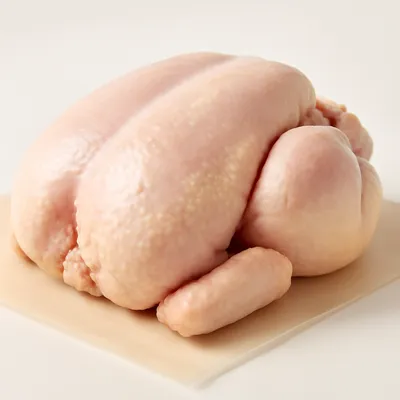
Add 1 whole chicken (about 1.8 kg, bone-in, skinned) OR 1 kg lamb shoulder cut into 4 pieces. Bring to a boil.
- 45 min
Skim off any foam that rises. Reduce heat to lowest possible setting. Cover loosely.
Watch outSkim the grey foam off the moment it rises — leave it and the broth turns cloudy and muddy-tasting.
- 5360 min
Cook 6-8 hours on the lowest simmer (or overnight in a slow cooker on LOW). The wheat should become very soft and start breaking down; the meat should be falling-apart-tender.
Watch outKeep it at the barest tremble, not a rolling boil — this is where the wheat has hours to melt into the meat.
- 616 min
Halfway through (4 hours), remove the chicken/lamb pieces. Strip the meat off the bones; discard bones, skin, and any sinew. Shred the meat. Return the shredded meat to the pot.
- 7180 min
Continue cooking another 2-4 hours, stirring every 30 min, until the wheat has completely broken down and the porridge is thick and glossy.
- 818 min
Switch to the pounding/blending stage: use a sturdy wooden spoon or potato masher to mash the porridge against the pot side for 15-20 min. (Or use an immersion blender for 30 seconds — easier but less traditional.) The goal: a homogeneous, glossy, almost-creamy porridge where the wheat and meat are indistinguishable.
Watch outPound until you can't tell wheat from meat and it turns glossy and stretchy — the stringy pull off the spoon is the sign it's ready.
- 92 min
Taste; adjust salt. The harissa should be thick enough to mound on a spoon but flow slowly when tilted.
- 103 min
In a small pan, melt 100 g butter. Add 1 tbsp paprika; cook 30 seconds.
Watch outFry the paprika only 30 seconds until the butter runs red and smells nutty — any longer and it scorches bitter.
- 112 min
Ladle harissa into deep bowls. Drizzle generously with the paprika butter.
- 126 min
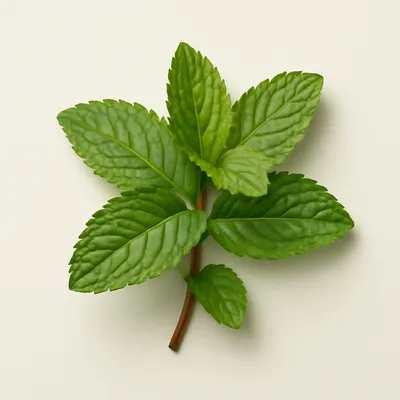
Serve with warm lavash, salt, fresh herbs (parsley, mint), and chilled vodka or red wine. Eat with a wooden spoon — communal eating is traditional.


