
Khash
“Armenia's ancient winter delicacy — cow's feet (and sometimes head meat) slow-simmered overnight for 12-16 hours into a pure-white, gelatinous, intensely-collagenous broth seasoned only with salt. Served at dawn with raw garlic, dry lavash, fresh herbs, and chilled vodka. The Yerevan winter-morning ritual that's considered both a cure-all and the ultimate hospitality offering.”



Where it comes from
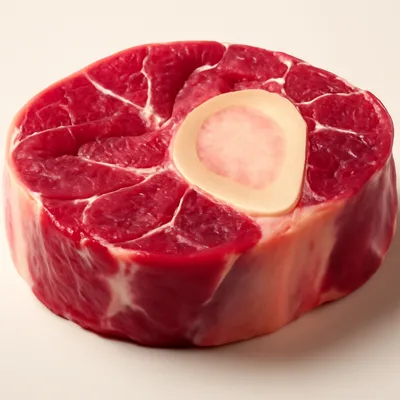
Khash is among the oldest documented Armenian dishes — references go back to the Bronze Age and the Urartian kingdom (9th century BCE). The dish was originally a peasant winter-survival food: a long slow simmer extracted every nutritional value from cattle hooves and head, parts that would otherwise be discarded. The collagen-rich broth provided protein, fat, and warmth during harsh Armenian winters. By the 19th century, khash had become a winter-morning ritual specifically: groups of men would gather at 6 AM at a khashotun (khash house), drink chilled vodka with the broth, and share stories. The tradition continues today; Yerevan's central market has dedicated khash restaurants open only October through April.
On the plate
Ladle khash into a deep bowl — pure-white, slightly cloudy, intensely-rich-collagenous broth with chunks of fall-apart-tender meat, gelatinous edges shimmering. Crumble dry lavash into it, crush a raw garlic clove (the bite is fierce), sprinkle salt. First spoonful: the broth is luxuriously thick (almost glue-like from the gelatin), the meat is buttery-tender, the garlic burns gloriously, the dry lavash softens into a satisfying noodle. Sip chilled vodka — the bite of alcohol cuts through the richness. With friends at 6 AM and snow outside, this is the Armenian winter morning at its most-essential.
How it works
The 12-16 hour low-temperature simmer extracts collagen from the cow's feet — collagen is converted to gelatin, which gives the broth its signature thick-glossy texture. The protein-rich gelatin has clinically-documented anti-inflammatory and joint-supportive effects, supporting khash's traditional reputation as 'cure-all.' Boiling-then-discarding the first water removes impurities (scum, foam, off-flavors); the gentle subsequent simmer prevents emulsification of fats and keeps the broth crystal-clear-pure-white. No aromatics during cooking — the broth's purity is the point.
Variations
Beef-feet khash is the standard preparation. Sheep-feet khash uses lamb shanks/feet — milder and faster (8-10 hours). Pig-feet khash (rare, not traditional) is used in Russian-Armenian fusion. Modern restaurant khash adds a pinch of saffron for color — purists object. Vegetarian khash (extremely rare) uses mushroom-and-vegetable broth — not traditional but nutritionally similar to the gelatin-rich original.
On the Palate
Ingredients
Serves 6
How it's made
12 steps · Show ↓60 min active · 1140 min waiting
How it's made
12 steps · Show ↓- 115 min
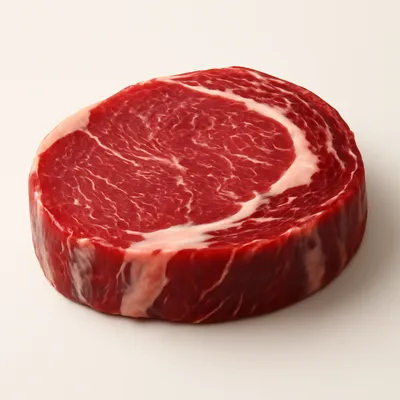
Acquire 2 kg cow's feet (have the butcher saw them into 8 cm pieces). Plus 500 g cow's head meat (optional but traditional). Scrape and shave any hair off; rinse very thoroughly.
- 23 min
Place the cleaned cow's feet and head meat in a very large heavy pot (8 L+). Cover with 5 L cold water.
- 310 min
Bring to a boil. Boil 5 min, then drain completely. Rinse the meat under cold water (removes scum, impurities, and 'dirty' first broth).
- 45 min
Return the meat to the cleaned pot. Add 5 L fresh cold water — no salt yet, no aromatics.
- 58 min
Bring to a boil. Reduce heat to lowest possible setting (a true gentle simmer with just a few bubbles rising). Skim off any foam.
- 6870 min
Cover loosely (let some steam escape). Cook 12-16 hours, ideally overnight. Maintain the lowest simmer; do not let it boil.
- 75 min
After 12+ hours, the meat should be falling-off-the-bone tender, the cartilage gelatinized, the broth should be pure-white and very thick when chilled briefly.
- 812 min
Remove the meat. Pick the meat off the bones; discard bones and any tough tendons.
- 98 min
Strain the broth through a fine sieve back into the pot. Return the picked meat.
- 106 min
Reheat gently. Season with sea salt — Armenian tradition is to let each eater salt their own bowl.
- 118 min
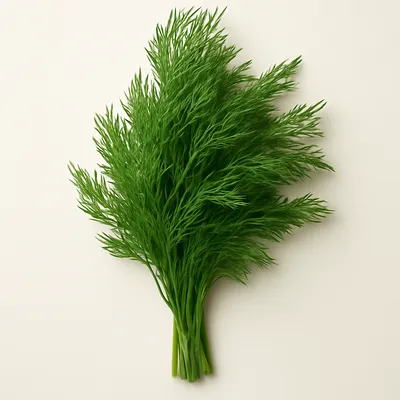
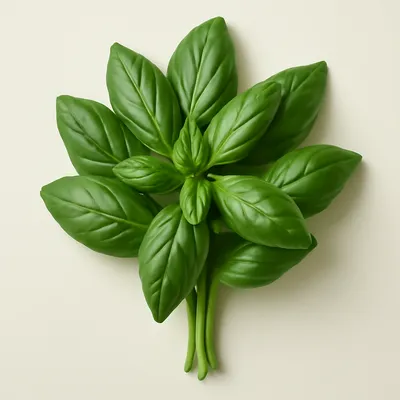
Serve before dawn (6-7 AM is traditional): ladle the broth and meat into deep bowls. Each diner has at the table: small bowl of dried lavash crumbled into the broth, raw garlic cloves (eaten raw or crushed in), fresh herbs (parsley, dill, basil), sliced radish, and chilled Armenian vodka (Akhtamar or local).
- 1230 min
The ritual: crumble lavash into the broth, crush garlic with the spoon, eat hot. Sip vodka between bites. Toast often.


