
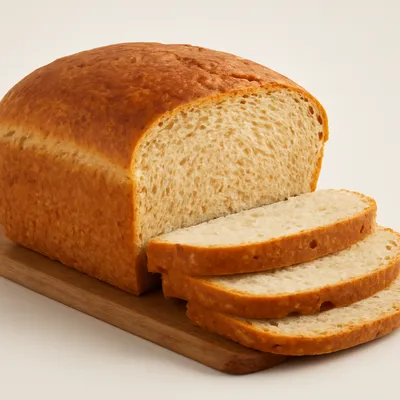
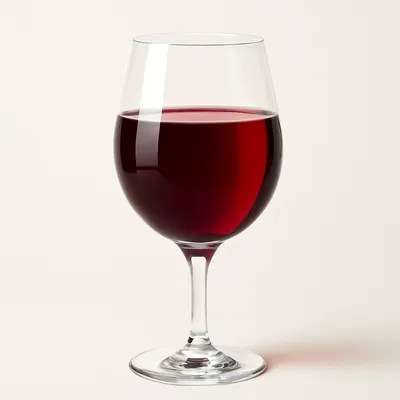
Uruguay's signature meal — multiple cuts of beef (asado de tira short-ribs, entrana skirt steak, vacio flank, matambre) slow-grilled on a parrilla over hardwood embers (preferably quebracho), or on iron crosses (asado a la cruz) leaning over an open wood fire for 2-4 hours. Accompanied by grilled chorizo, morcilla blood sausage, provoleta cheese, and chimichurri sauce. Served with crusty bread, salads, and Tannat red wine. The Sunday family ritual.
Asado is the national dish of Uruguay and Argentina — and the Río de la Plata's contribution to world cuisine. The tradition dates to the 18th-century gauchos (cowboys) of the Pampas, who slaughtered cattle on the open range and cooked the meat slowly on iron crosses leaning over wood fires. The technique requires patience: the meat cooks 2-4 hours at low heat, far from the flames, basted only with salt water (salmuera). The asador (grill master) is a position of honor at every Uruguayan family gathering. Uruguay's beef tradition is unique: the country has more cattle than people (3.5:1 ratio), and the cattle graze freely on natural pastures, producing meat with a distinctive grass-fed flavor. The Uruguayan asado differs from the Argentine: it uses fewer cuts but cooks them longer, focuses more on the meat itself (less marinade), and is paired with Tannat red wine (Uruguay's national grape, introduced by Basque immigrants in 1870). The asado is a 4-hour ritual: the asador starts the fire 2 hours before the meat goes on; guests arrive an hour later; the meat is served in waves (chorizo first, then morcilla, then the cuts) with chimichurri, bread, and wine. The meal often lasts until sunset.
Cut into the entrana — the outside is deeply-mahogany-charred, the inside is rosy-pink and rare. Bite: the beef has the distinctive grass-fed Uruguayan flavor (deeper, more mineral than corn-fed), the salty char crackles, the interior gushes juice. Spoon chimichurri over: the vinegar-and-garlic punch lifts the rich beef. Each cut tastes different: the asado de tira is meaty and slightly chewy (the bone-marrow fat melts into the flesh during the long cook), the matambre is herb-aromatic from its stuffing, the chorizo is paprika-smoky, the morcilla is sweet-spiced. With grilled provoleta cheese pulling strings on the side and Tannat red wine on the lips, this is the Uruguayan Sunday dinner that has lasted 4 hours and could last 4 more.
The grass-fed Uruguayan beef has distinctly different flavor and texture from corn-fed: more mineral, slightly gamier, leaner. Slow cooking far from the flames (8 cm distance) is essential — the meat needs to render its connective tissue (collagen → gelatin) without scorching. The salmuera basting keeps the surface moist and creates a salt crust that locks in juices. Quebracho hardwood is the iconic Uruguayan grilling wood — it burns hot and clean with mild smoke (unlike mesquite's strong flavor). Resting the meat after salting (30 min) draws out moisture, which is then reabsorbed with the salt, seasoning the interior. The asado a la cruz technique (iron cross) lets the meat baste in its own dripping fat.
Variations
Asado a la cruz (iron cross over open fire) is the most-traditional Gaucho version. Asado de cordero replaces beef with whole baby lamb (the Patagonian variation). Asado de chancho uses pork (mostly in winter). Vegetarian asado uses portobello mushrooms and grilled cheese. Modern Montevideo restaurant version garnishes with shaved Tannat-reduced jus and microgreens. The Mercado del Puerto in Montevideo is the universal asado tourist destination.
On the Palate
Where Asado Uruguayo sits in the Uruguayan flavor cloud
Ingredients
Serves 8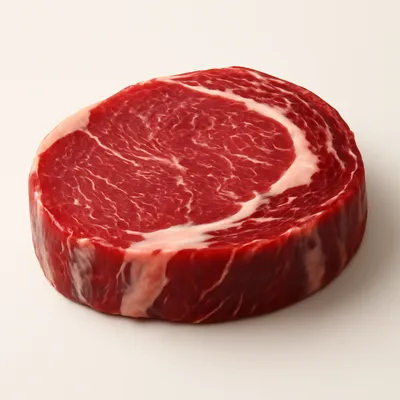








How it's made
13 steps · 1 hour active + 3 hours waiting
- 175 min
Build a wood fire (preferably quebracho or oak) in an outdoor parrilla or fire pit. Let it burn 60-90 min to produce a deep bed of glowing red embers. Maintain a side fire for replenishing embers.
Watch outThe fire is ready only when the flames have died to a deep, even bed of red-glowing coals with a light grey ash — flames still licking means it's too hot.
- 28 min
Source the meat: 1.5 kg asado de tira (cross-cut short ribs), 800 g entrana (skirt steak), 800 g vacio (flank), 800 g matambre (rolled flank with stuffing). 6 chorizos, 6 morcillas, 400 g provoleta cheese (round).
- 332 min
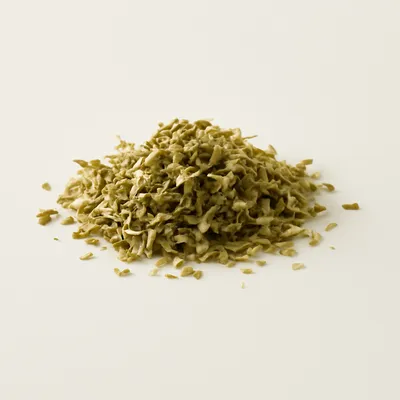
Make chimichurri: combine 1 cup fresh parsley (finely chopped) + 4 minced garlic cloves + 2 tbsp dried oregano + 1 tsp red pepper flakes + 1 tsp salt + 1 tsp black pepper + 1/2 cup olive oil + 1/4 cup red wine vinegar + 2 tbsp warm water. Let sit 30 min for flavors to meld.
- 432 min
Salt the meat: rub the cuts with coarse sea salt (about 1 tsp per kg). Let sit 30 min at room temperature.
- 522 min
Prepare salmuera (salt water for basting): combine 500 ml warm water + 2 tbsp coarse salt + 1 sprig rosemary + 2 garlic cloves crushed. Let infuse 20 min.
- 614 min
Start with chorizo and morcilla (sausages cook fastest): place over medium embers, 4 cm from the surface; cook 12-15 min total, turning every 4 min. Move to a warm platter.
- 740 min
Add the asado de tira (short ribs, bone-side down first): cook 35-45 min over medium-low embers, 8 cm from the surface. Brush with salmuera every 15 min. Flip when the bone-side is well-browned.
Watch outFlip the short ribs only once the bone side is deeply browned and pulls freely from the grill — if it sticks, it's not ready to turn.
- 860 min
Add the vacio and matambre (flank cuts): cook 50-70 min, depending on thickness; these need lower, more even heat. Brush with salmuera.
- 918 min
Add the entrana (skirt steak): this cooks faster (15-20 min total) — add it 30 min after the matambre. Cook to medium-rare; the entrana is best slightly pink inside.
Watch outThe skirt steak is done at medium-rare, still pink and juicy inside — it's thin and turns dry the moment it goes past that.
- 107 min
Place the provoleta cheese on the grill in a small cast iron pan: cook 6-8 min until the bottom is brown and the top is melted-bubbly.
- 118 min
Carve in the order of doneness: provoleta first (immediate eating), then chorizo and morcilla, then entrana (sliced thinly against the grain), then vacio and matambre (sliced), then asado de tira last (the most-cooked).
- 126 min
Plate generously with chimichurri spooned over the meat, crusty bread, simple green salad, and provoleta on the side.
- 13120 min
Drink with chilled Tannat red wine. Eat slowly over 2-3 hours. The asado is the meal but also the conversation.


