


Uruguayan
Beef on the parrilla, an Italian accent, mate in hand.
Asado Uruguayo
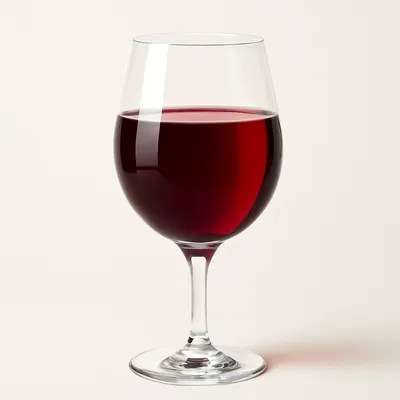
Uruguay's signature meal — multiple cuts of beef (asado de tira short-ribs, entrana skirt steak, vacio flank, matambre flank-and-stuffing) slow-grilled on a parrilla over hardwood embers or on iron crosses (asado a la cruz) leaning over a wood fire for 2-4 hours. The asador (grill master) tends the meat with patience and beer in hand. Served with chimichurri (garlic-parsley-vinegar-oil sauce), grilled provoleta cheese, blood-pudding morcilla, and Uruguayan Tannat red wine. The Sunday family ritual.
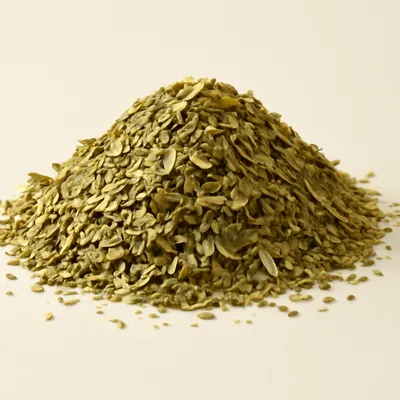
View page →Uruguay is the cuisine of the world's most-cattle-dense country (12 million cows, 3.5 million people) and is built around beef — slow-grilled over hardwood embers in the asado tradition that defines every Uruguayan Sunday. The signature is asado: cuts of beef cooked slowly on a parrilla over coals or on iron crosses (asado a la cruz) leaning over a wood fire. Chivito, the steak sandwich layered with ham, cheese, lettuce, tomato, egg, and bacon, is the national fast-food. Milanesa napolitana (breaded steak topped with tomato sauce, ham, and melted cheese), pamplona (pork or chicken stuffed with cheese and ham), and chimichurri (the universal asado sauce) round out the meat tradition. Italian immigration in the late 1800s shaped a strong pasta tradition; Tannat is the national grape, brought by Basque immigrants in 1870. Dulce de leche is the national dessert obsession; Uruguayans rival Argentines for the invention claim. Yerba mate is drunk all day from a shared gourd through a metal bombilla; Uruguay has the highest per-capita mate consumption in the world. Tortas fritas (rainy-day fried bread), alfajores (cornstarch shortbread cookies with dulce de leche), and Italian-Uruguayan pasta on Sundays complete the table.
The Palate
Start Here
Multiple cuts of beef (asado de tira, entrana, vacio, matambre) slow-grilled on a parrilla over hardwood quebracho embers for 2-4 hours. Accompanied by grilled chorizo, morcilla, provoleta cheese, and chimichurri. Served with Tannat red wine.
Why start here · Uruguay's universal Sunday family ritual. The 4-hour grilling tradition that defines the culture. Start here to understand Uruguay's relationship with grass-fed beef and Latin American grilling.
Thin grilled beef tenderloin layered between toasted bread with cooked ham, melted mozzarella, lettuce, tomato, fried egg, bacon, olives, pickled vegetables, mayonnaise. Served with French fries.
Why start here · Uruguay's national sandwich invented in 1944 in Punta del Este. The complete Uruguayan beef-sandwich experience. The roadside-cafe icon, the post-soccer feast.
Two delicate cornstarch-based shortbread disks sandwiched around dulce de leche, edges rolled in shredded coconut. Sometimes chocolate-coated or dusted with powdered sugar.
Why start here · Uruguay's national cookie and the universal dulce-de-leche-obsession entry point. The Uruguayan childhood treat, the cafe accompaniment, the holiday gift-box centerpiece.
The Pantry




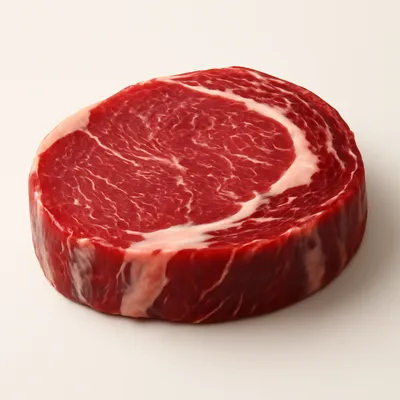


See all 69 ingredients›

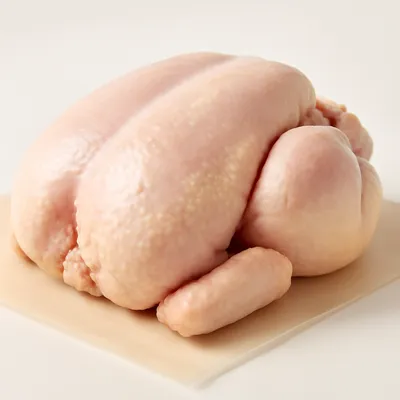


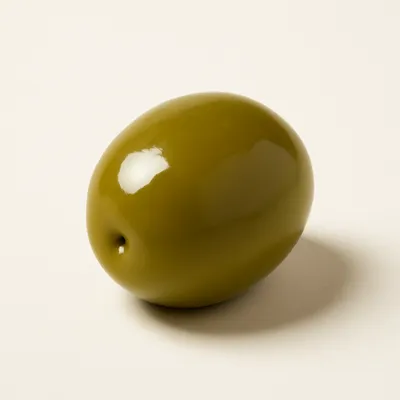
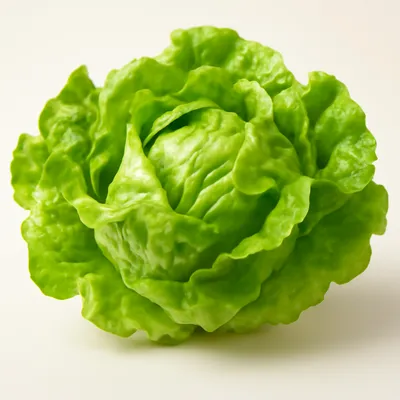
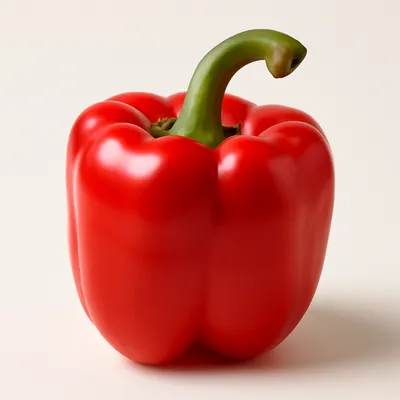





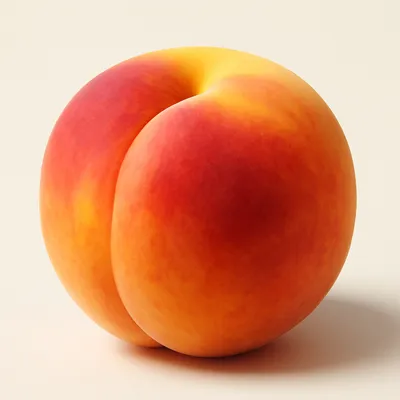


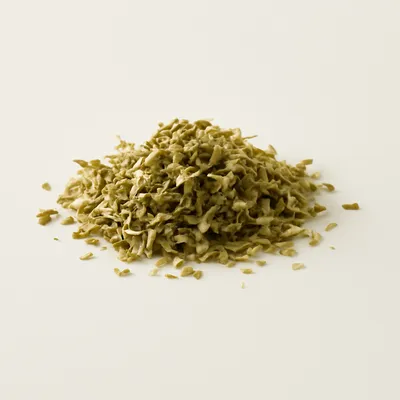
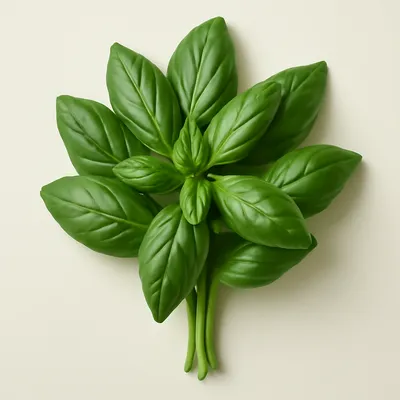





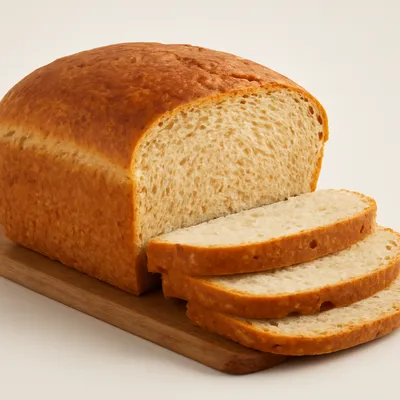
















On the Map
Where this cuisine is found
Regional Styles
Montevideo and Río de la Plata
The capital on the Río de la Plata estuary. Italian-immigrant pasta tradition, modern restaurants, and the most-developed urban food culture. Bohemian Mercado del Puerto is the universal asado destination.
Punta del Este and Atlantic Coast
The Uruguayan Riviera with seafood restaurants, beach culture, and the original chivito (invented 1944 at Mejillón restaurant).
Tacuarembó and Gaucho Country
The interior cattle-ranching heartland. The gaucho culture, asado a la cruz tradition, mate-and-tortas-fritas rural tradition.
How They Cook
Techniques that define this cuisine
See 5 more techniques›
Kindred Kitchens
Cuisines built on the same signature ingredients


