
Uruguay's beloved Italian-immigrant dish — thin beef cutlets breaded and pan-fried golden-crisp, then topped with tomato sauce, sliced ham, and mozzarella cheese, briefly oven-baked until the cheese is melted-bubbly. Served with French fries (papas fritas), green salad, and a glass of Tannat or Pilsen beer. The school lunch, the family dinner, the cafe staple. Despite the name, it was invented in Argentina (or possibly Uruguay) in the 1950s.
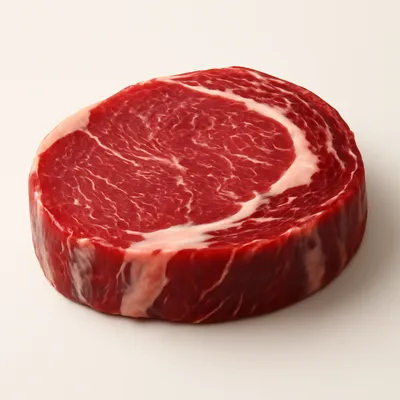


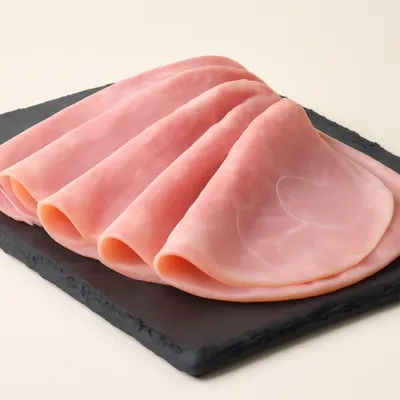

Milanesa derives from the Italian-Lombard cotoletta alla milanese (Milan veal cutlet) brought to the Río de la Plata by Italian immigrants in the late 1800s. The 'napolitana' variation (tomato sauce, ham, cheese topping) was reportedly invented at the 'Napoli' restaurant in Buenos Aires in the 1950s — the chef burned a milanesa and improvised the topping to hide the burn. The dish quickly spread across the Río de la Plata (Argentina, Uruguay) and became a school-lunch standard. Despite the 'Naples' name, the dish doesn't exist in Italy — it's a 100% Argentine-Uruguayan invention. Each country claims the original. The dish is also called milanesa a caballo (with a fried egg on top), milanesa completa (with both ham-cheese and egg), or milanesa especial (with everything). The everyday Montevideo or Buenos Aires restaurant serves it as the most-affordable beef option. The breaded-meat-with-tomato-cheese-ham combination became globalized through Argentine and Uruguayan immigration; Italian-American 'chicken parmigiana' is the same idea with chicken and pre-existing in NYC.
Cut into a milanesa napolitana — the knife slides through the bubbly mozzarella, the layer of ham underneath, the tomato sauce, the crispy breaded crust, and finally the tender beef. Bite: the cheese stretches in long mozzarella strings, the ham's saltiness anchors the bite, the tomato sauce's herbal acidity brightens, the parmesan-flecked breading crackles, the beef is juicy and tender. The five layers play together: crisp + meaty + saucy + meaty + cheesy. With French fries to soak up the extra sauce and a sip of cold Pilsen beer, this is the Uruguayan everyday meal.
Pounding the beef to 3 mm is the key — too thick and the breading burns before the meat cooks through; too thin and the meat dries out. Marinating the beef in egg-and-garlic seasons the interior (not just the breading). The egg also helps the breadcrumbs adhere — they're applied without a flour layer (Uruguayan style; some Argentine variations dip in flour first). Frying at exactly 175°C creates the crisp golden crust quickly; too low and the breading absorbs oil and becomes greasy. The brief oven-bake at the end (just to melt cheese) prevents the breading from becoming soggy from the tomato sauce.
Variations
Milanesa a caballo (with fried egg on top). Milanesa completa (with both fried egg and ham-cheese). Milanesa de pollo (chicken instead of beef). Milanesa de cerdo (pork). Milanesa de berenjena (eggplant for vegetarian). Modern Montevideo restaurant version garnishes with truffle parmesan and prosciutto crudo. Mini milanesas for finger food. Milanesa al plato (no bread on top, just sauce and cheese).
On the Palate
Where Milanesa Napolitana sits in the Uruguayan flavor cloud
Ingredients
Serves 4








How it's made
12 steps · 40 min active + 20 min waiting
- 16 min
Cut 4 thin slices of beef tenderloin or top round (about 120 g each, 5 mm thick). Pound them between plastic sheets to 3 mm thick.
Watch outPound the beef to an even 3 mm — thicker and the crust burns before the meat cooks; thinner and it dries to leather in the oil.
- 225 min
Marinate the beef: in a wide dish, whisk 2 large eggs + 4 minced garlic cloves + 2 tbsp chopped parsley + 1 tsp salt + 1 tsp black pepper. Submerge the beef slices; refrigerate 20-30 min.
- 34 min
Set up breading station: bowl 1 with the egg-and-garlic marinade (already prepared), bowl 2 with 2 cups breadcrumbs + 1/4 cup grated parmesan + 1 tsp dried oregano + 1/2 tsp paprika.
- 46 min
Dip each beef slice into the breadcrumb mixture, pressing firmly to coat both sides completely. Set aside on a tray.
Watch outPress the crumbs on firmly with your palm so both faces are fully covered and none flakes off in the pan — bare patches soak up oil.
- 522 min
Make tomato sauce: in a pan, heat 2 tbsp olive oil. Add 1 chopped onion; cook 6 min. Add 4 minced garlic cloves; cook 1 min. Add 400 g crushed tomatoes + 1 tsp salt + 1 tsp sugar + 1 tsp dried oregano + 1/2 tsp red pepper flakes; simmer 15 min.
- 64 min
Heat 1 cm of vegetable oil in a wide pan to 175°C.
- 78 min
Fry milanesas one or two at a time: 2-3 min per side until golden-crisp. Don't overlap.
Watch outSlip it in only once the oil shimmers — it should bubble up right away and turn deep gold in 2–3 minutes a side; a quiet, sluggish sizzle means the oil's too cool and the crust goes greasy.
- 82 min
Drain on paper towels.
- 96 min
Preheat oven to 200°C.
- 104 min
Arrange fried milanesas on a baking sheet. Top each with: 3 tbsp tomato sauce, 2 slices cooked ham, 2 slices mozzarella cheese.
- 117 min
Bake 6-8 min until the cheese is melted and bubbly.
Watch outPull them the moment the cheese melts and bubbles — this bake is just to melt the top, any longer and the sauce softens the crust to mush.
- 123 min
Sprinkle with chopped fresh basil or parsley. Serve immediately with golden French fries, a simple green salad, and lemon wedges. Drink with chilled Pilsen beer or Tannat red wine.


