
A Galician starter of scallops baked on the deep half of their own fan-shaped shell. Each scallop is topped with a slow-sweated onion-and-garlic sofrito bound with white wine and a little tomato, dusted with breadcrumbs and pimentón, then baked until the crumb crust browns. The shells double as the serving dish, set straight from oven to table. The scallop's shell is the emblem of the Camino de Santiago, which ties the dish to the pilgrimage city of Santiago de Compostela.




Galicia's rías (drowned coastal valleys) are among Europe's richest scallop grounds, and the fan-shaped shell has been the badge of the Camino de Santiago since the medieval pilgrimage: from at least the 12th century, pilgrims who reached Santiago de Compostela collected the shells to wear as proof of the journey, and the emblem still marks the route today. Baking the scallop back in its own shell with a paprika-laced sofrito and breadcrumb gratin is a domestic Galician treatment of the local vieira; the exact date the dish was codified is unrecorded, but it is a fixture of the regional table.
The scallop stays plump and just-set under a thin, savoury crust of toasted breadcrumb. Underneath, the sofrito is sweet and slippery with sweated onion, the wine cooked down to a gentle tang, the pimentón warm and faintly smoky. Eaten hot from the shell with a small fork, scooping crumb, sauce and scallop together. Overbaked scallop turns rubbery and dry — the crumb should brown before the flesh tightens.
The dish rests on a sofrito: onion and garlic sweated slowly in olive oil until soft and sweet, never browned, so they melt into a base rather than reading as fried onion. The pimentón is stirred in off direct high heat — fat-soluble paprika pigments and aromatics bloom into the oil, but above roughly 130°C paprika scorches bitter, so it goes in late. The breadcrumb layer is the gratin engine: it absorbs surface moisture and browns via Maillard under the oven's top heat, forming a crust that shields the scallop so the crumb colours before the delicate muscle overcooks and toughens.
Variations
Plain breadcrumb-and-onion versions are the everyday form; richer cooks add chopped cured ham or a splash of brandy to the sofrito; some bind the topping with grated cheese for a deeper gratin; in Santiago itself the dish is a feast-day plate around the Apostle's festival on 25 July. It is a close sibling of vieiras a la gallega, which leans more on the paprika sauce, and shares its baked-in-shell format with other Galician shellfish gratins.
On the Palate
Where Vieiras de Santiago sits in the Spanish flavor cloud
Ingredients
Serves 4


How it's made
5 steps · 25 min active + 10 min waiting
- 18 min
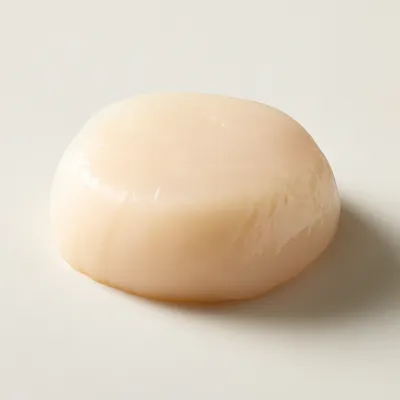
Detach the scallops, reserving the deep half-shells; rinse and pat the scallops dry, trimming off the tough side muscle.
- 28 min
Sweat finely chopped onion and garlic gently in olive oil until soft and translucent, without browning.
Watch outSweat the onion and garlic gently until soft and translucent, never browned — they should melt into a base, not read as fried onion.
- 36 min
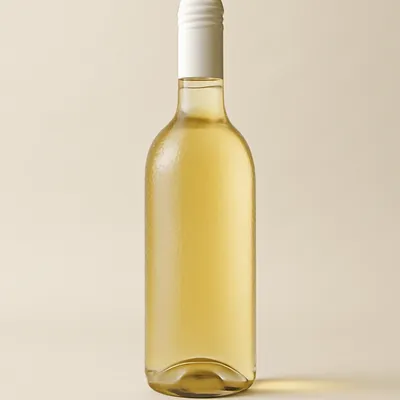
Off strong heat, stir in pimentón, then add white wine and a little grated tomato; simmer briefly into a loose sofrito and season with salt.
Watch outStir the pimentón in off strong heat — above about one hundred thirty degrees paprika scorches bitter, so add it late into the sofrito.
- 43 min
Set one scallop in each cleaned shell, spoon the sofrito over, and scatter breadcrumbs and a final dusting of pimentón on top.
- 510 min
Bake in a hot oven until the breadcrumb crust is golden and the scallop is just set, then serve immediately in the shells.
Watch outBake just until the breadcrumb crust is golden and the scallop is only set — the crumb shields the muscle, so pull it before the delicate scallop overcooks and toughens.
Archive tool suggestions — not reviewed
These legacy suggestions have not been evidence-reviewed and are not presented as required tools.


