
A skillet of slow-cooked red peppers, tomatoes, onion, and garlic perfumed with harissa, caraway, and cumin, with eggs cracked into nests on top and the entire pan baked until the whites set but yolks stay runny. The Tunisian morning-and-evening dish that traveled the world via Sephardic-Mizrahi Jewish migration.
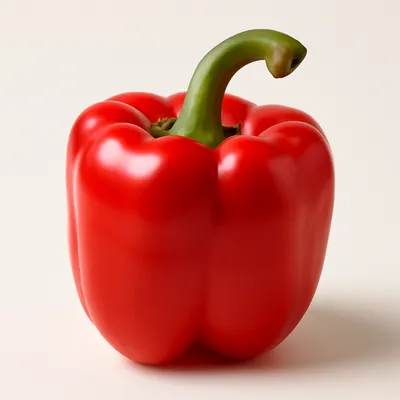





Shakshuka has Ottoman-North-African roots; the Tunisian version (chakchouka in French spelling) is distinguished by the heavy harissa and a slightly chunkier vegetable base than Israeli or Moroccan variants. Tunisian Jews who migrated to Israel in the 1950s brought shakshuka with them; from Israeli kitchens it became globally famous in the 2010s. The dish is breakfast in Tunisia (with bread, olives, sometimes merguez sausage) and dinner in Israel (with pita and tahini).
Spoon pushes through silky red pepper-tomato sauce into a runny yolk that pours golden across the dish. The harissa's heat is steady and aromatic — caraway and cumin sit behind it. Sauce coats the bread, yolk soaks it golden, sweet pepper rounds the heat. Eaten communally from the skillet with everyone scooping their own egg — the Tunisian breakfast at its most generous.
Long pepper-onion cook (12 min) is non-negotiable — short-cooked vegetables release water during the egg phase and make the sauce thin. Tomato paste added before fresh tomato deepens umami via Maillard-like browning of the paste. Covering the skillet for the egg step creates steam pressure that cooks the whites without flipping them — the same principle as a poached egg in a closed pot.
Variations
Merguez shakshuka adds sliced spicy lamb sausage cooked in the sauce. Cheese-feta-topped version is the Israeli adaptation. Olive-and-caper version is the Sicilian-Tunisian crossover (Mediterranean salad turned hot). Aubergine shakshuka substitutes tomato with eggplant.
On the Palate
Where Shakshuka Tunisienne sits in the Tunisian flavor cloud
Ingredients
Serves 4






How it's made
8 steps · 35 min active + 10 min waiting
- 113 min
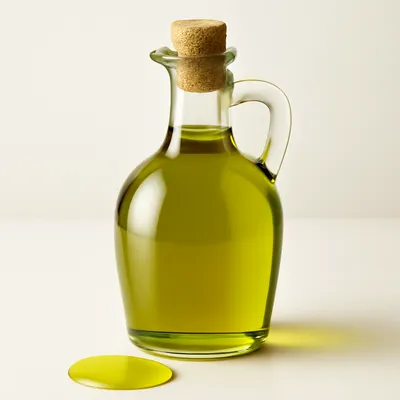
Heat 4 tbsp olive oil in a wide skillet (cast iron ideal) over medium. Add 1 chopped onion + 2 chopped red bell peppers + 1 chopped green bell pepper. Cook 12 min until very soft and slightly caramelized.
Watch outThe onions and peppers should collapse and turn glossy with a few golden edges — not just wilted; that gold is the sweetness you want.
- 23 min
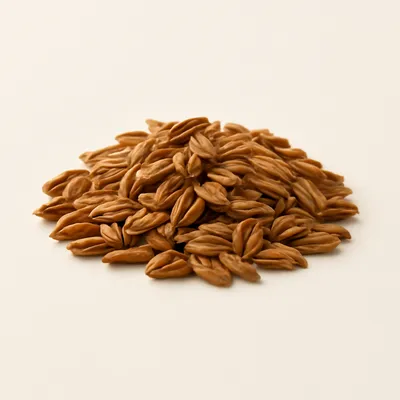
Add 4 chopped garlic + 1 tbsp harissa + 1 tsp ground caraway + 1 tsp ground cumin + ½ tsp paprika + ½ tsp salt + ¼ tsp pepper. Cook 2 min until fragrant.
- 316 min
Stir in 600 g chopped peeled tomatoes (fresh in summer, canned otherwise) + 2 tbsp tomato paste + 1 tsp sugar. Simmer uncovered 15 min until thickened to a chunky sauce.
Watch outSimmer until a spoon dragged across the pan leaves a slow-closing trail — that's a chunky, spoonable sauce, not soup.
- 41 min
Taste and adjust salt. The sauce should be deeply red, slightly oily-glossed, with vegetables visible.
- 53 min
Make 6 wells in the sauce with a spoon. Crack 1 egg into each well. Cover skillet with lid (or oven-bake at 200°C uncovered).
- 66 min
Cook 4-5 min covered (or 6-8 min in oven) until egg whites are just set but yolks are still runny. Don't overcook — yolks should jiggle.
Watch outWhites gone opaque, yolks still wobbling like set jelly — that's the pull moment.
- 72 min
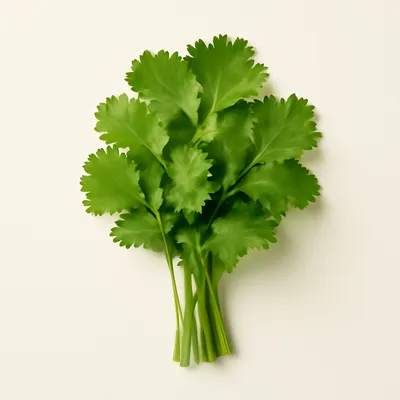
Off heat, scatter with 3 tbsp chopped fresh parsley and 2 tbsp chopped cilantro. A drizzle of olive oil and an extra dollop of harissa on top.
- 82 min
Serve directly from the skillet with thick-sliced country bread for swabbing the sauce. Optional: 2 crumbled merguez sausages or sliced black olives on top.


