Warm and slightly sweet, caraway seeds present a distinctive flavor profile with earthy, nutty notes. Their unique aroma complements a variety of dishes, particularly in Northern European cuisine.
Where it comes from
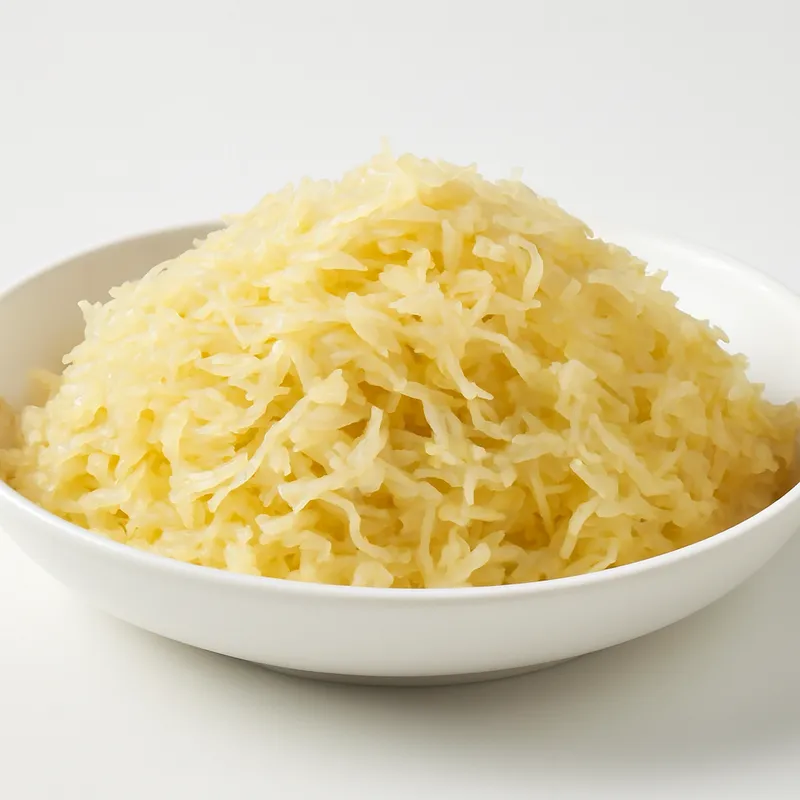
Caraway has been cultivated since antiquity, especially in German and Scandinavian cooking, where it's often featured in rye bread and sauerkraut.
In the kitchen
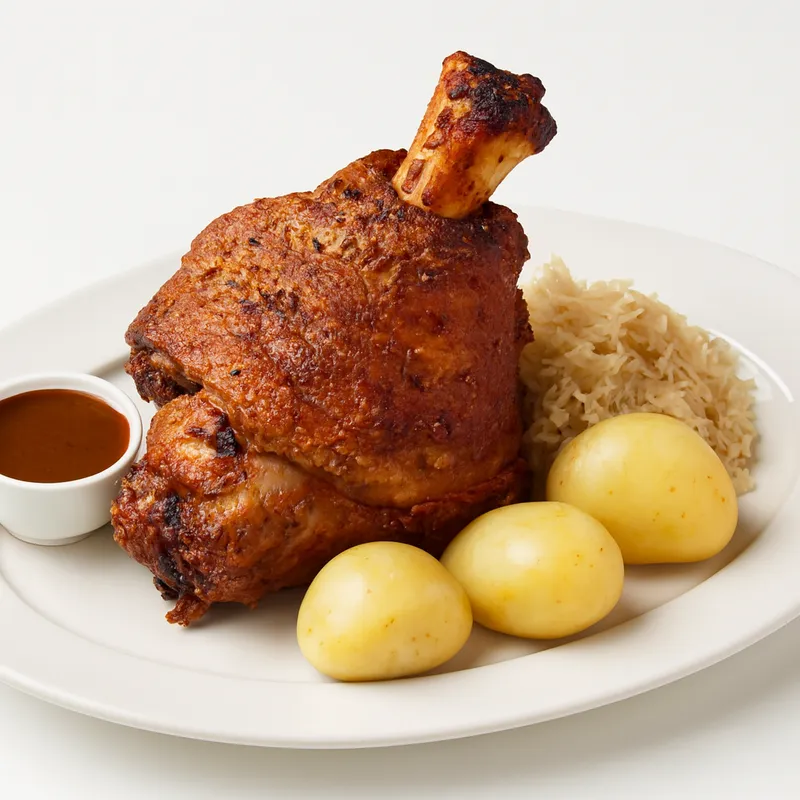
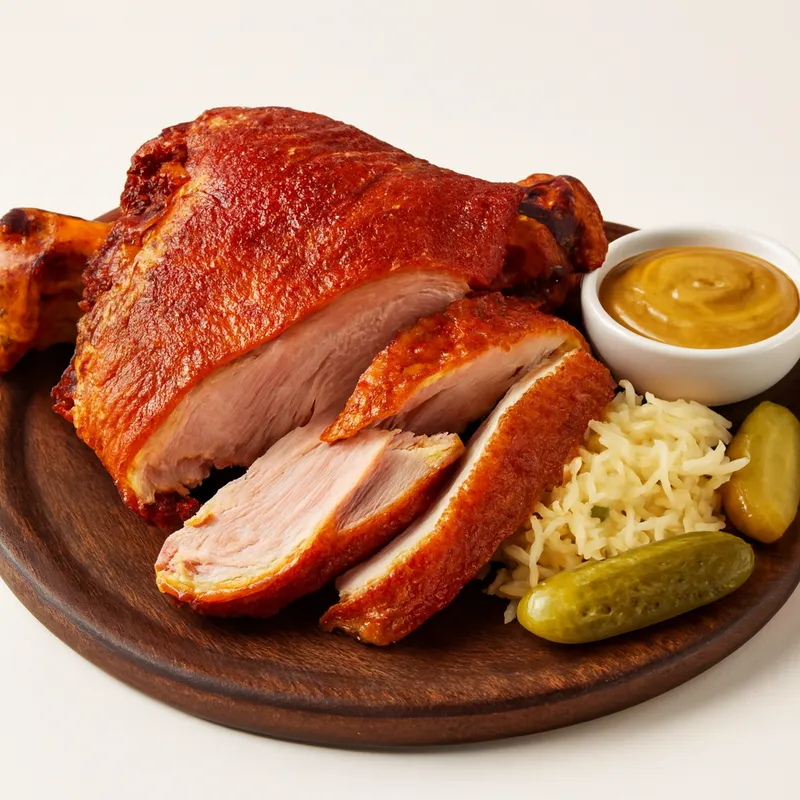
Used in baking, seasoning meats, and flavoring pickles, caraway seeds add depth and complexity, enhancing the overall flavor of dishes.
Across cuisines
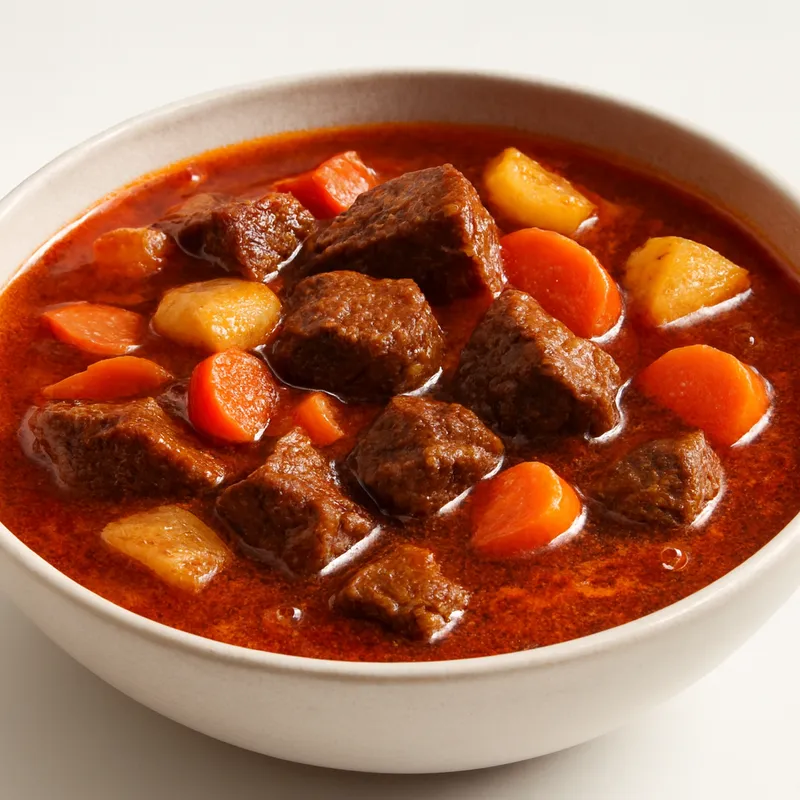
Caraway is the herb that holds the Czech kitchen together. Whole seeds go into bread, goulash, sauerkraut ferment, and bramboráky potato pancakes; ground caraway flavors crackling pork skin and pickled sausages. The seed's fennel-leaning warmth is what tells you you're eating Czech and not Hungarian.
Caraway is the dominant German aromatic seed — fermented into Sauerkraut, baked into the crusts of dark Roggenbrot rye breads and pretzels, sprinkled onto Bratwurst before grilling, and ground into the Sauerbraten spice mix. The bitter-warm character is what carries the German flavor across the broader Central European palette.
Caraway is the Hungarian aromatic seed — ground into the bogrács gulyás (the kettle goulash cooked outdoors over open fire), into the rye-flour breads of the Great Plain, and dropped whole into the brine of pickled vegetables. The Hungarian caraway crop has a sweeter, less bitter profile than the German one; the seed pairs naturally with the cuisine's heavy paprika hand.
Nutrition (per 100g)
AI-estimated; model and run unavailable.