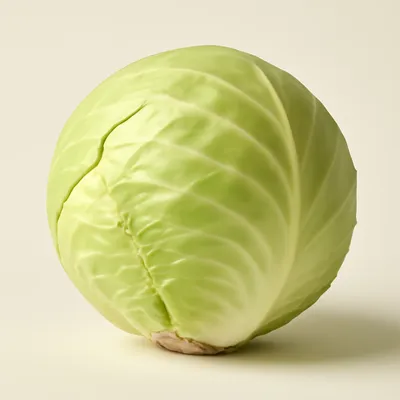


Lacto-fermented cabbage is far older than "German" — Roman writers describe it, and the technique likely reached Central Europe via the Mongol/Tatar east in the 13th century, used to preserve cabbage through winter. By the 16th century it was a German peasant staple. James Cook fed it to his sailors in the 1770s to prevent scurvy. Separately, because Germans are so fond of sauerkraut, English speakers adopted "kraut" as a derogatory nickname for Germans, which became widespread during the two World Wars.
Lacto-fermented in 2–2.5% salt by weight of cabbage — under 1.5% and mold moves in, over 3% and the Lactobacillus stalls. Cook fed it to his crew in the 1770s to fight scurvy.
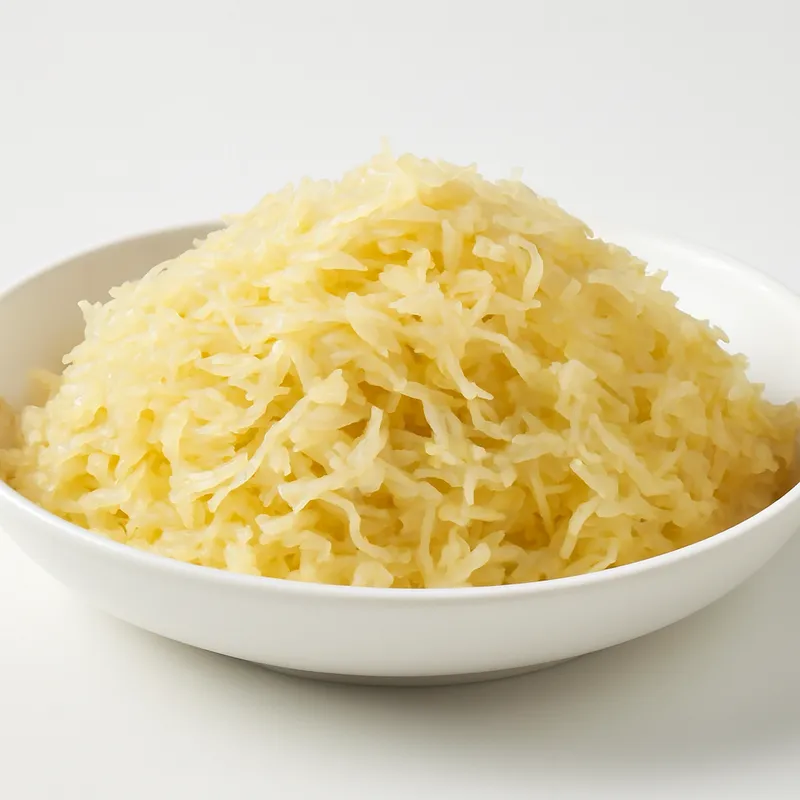
Shredded white cabbage, lacto-fermented in its own brine for 3–6 weeks, served warm with caraway and sometimes apple, juniper, or a splash of Riesling. The tang is sharp lactic, not vinegar — vinegar-pickled cabbage is a different thing. Texture stays chewy, not mushy, when done right. Eaten as a side with sausage, pork knuckle, or smoked meats; the acid cuts the fat directly.
Salt percentage is the biology. 2–2.5% by weight of cabbage selects for Leuconostoc and Lactobacillus while suppressing molds and Listeria; under 1.5% and spoilage organisms move in, over 3% and the lactic bacteria stall. Keep the cabbage submerged under its own brine — exposure to air is what brings white kahm yeast and that off taste people blame on "bad sauerkraut."
Variations
Bavarian Bayrisch Kraut (sweetened with apple, finished with Riesling); Alsatian choucroute garnie (cooked in goose fat, served with charcuterie); Polish bigos folds it with hunter's stew.
On the Palate
Where Sauerkraut sits in the German flavor cloud
Weigh the salt at 2–2.5% of the cabbage's weight and keep the shreds fully submerged under their own brine; that salt band selects the right lactic bacteria, and air exposure is what breeds the off-tasting kahm yeast.
Ingredients


How it's made
1 steps · 15 min active + 30 days waiting
- 115 min
Finely shred the cabbage and layer it in a large, clean fermentation vessel, sprinkling salt and caraway seeds between layers. Press down firmly to release the cabbage's natural juices.
Watch outPress and massage until the cabbage weeps enough brine to cover itself when packed—that liquid is the seal against air.
Archive tool suggestions — not reviewed
These legacy suggestions have not been evidence-reviewed and are not presented as required tools.