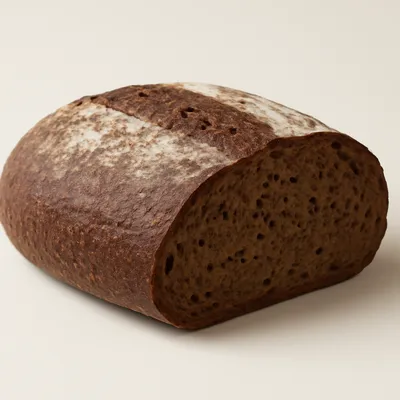


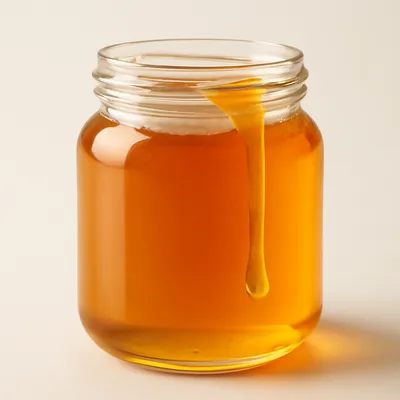
Ancient Slavic drink, mentioned in Kievan Rus' chronicles from 989 AD when Vladimir the Great is recorded distributing it to celebrate Christianization. For most of Russian history kvass was a household staple drunk daily by serfs and nobility alike — cheaper than tea, safer than untreated water. Industrial bottling began in the late Soviet period; the cottage version persists in dachas every summer.
Mentioned in the Kievan Rus' chronicles in 989 AD, when Vladimir the Great handed it out to mark Christianization. Stale rye bread plus two parallel ferments — yeast and lactobacillus — stopped at day 2 to keep it under 1.2% ABV.
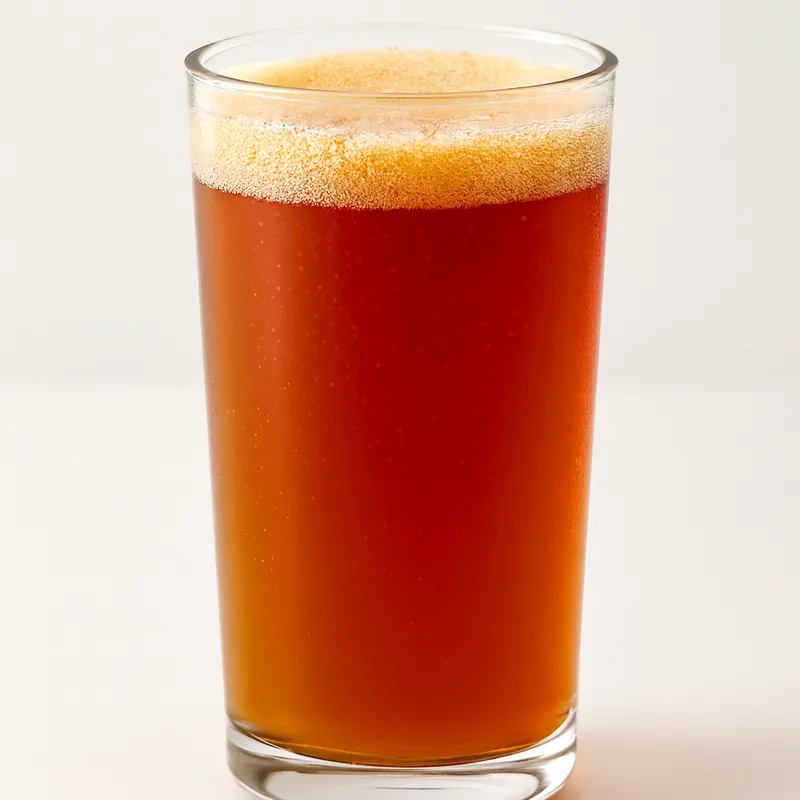
A cloudy, low-alcohol fermented drink (0.5–1.2% ABV — below the legal limit for alcohol in Russia, sold to children), the color of weak tea, made from stale rye bread. Tastes sour, slightly sweet, faintly bready, with a soft fizz. Served chilled in summer — street vendors with yellow tank-trucks were a Soviet-era fixture and still appear seasonally. Used as the broth base for cold okroshka soup.
Two fermentations work in parallel: yeast produces a small amount of alcohol, and lactobacillus produces lactic acid for the sour edge. Stopping fermentation at the right moment — usually 2–3 days at room temperature — is what keeps the alcohol low; let it run a week and it climbs to beer strength. Toasting the bread dark before steeping is what gives the deep color and roasted-malt note; pale bread makes a bland, wan kvass.
Variations
Sweet bottled (Soviet-era industrial, sold from yellow tank-trucks); dry homemade dacha kvass; beet kvass (medicinal, no bread); the okroshka-base version that never sees a glass.
On the Palate
Where Kvass sits in the Russian flavor cloud
Timing the fermentation is everything: pull it at 2–3 days while it's just tangy and lightly fizzy — go longer and the yeast pushes the alcohol up toward beer and the flavour turns boozy instead of refreshing.
Ingredients

How it's made
5 steps · 10 min active + 1 day waiting
- 10 min
Pour hot water over the dried rye bread in a large bowl, ensuring all pieces are submerged. Cover and let it steep for 12 hours at room temperature to extract flavors.
Watch outPush all the bread under the water and keep it fully submerged for the full 12 hours — the liquid should draw out dark and smell of toasted grain.
- 25 min
After steeping, strain the liquid into a clean container, discarding the solid bread pieces. Add sugar and yeast to the liquid, stirring until completely dissolved.
Watch outMake sure the liquid is not too hot when adding yeast, as high temperatures can kill the yeast.
- 30 min
Cover the container loosely and let it ferment at room temperature for another 12 hours. The mixture should become slightly fizzy and develop a tangy aroma.
Watch outThe ferment is working when the surface shows fine bubbles and it smells tangy and yeasty, not just sweet.
- 45 min
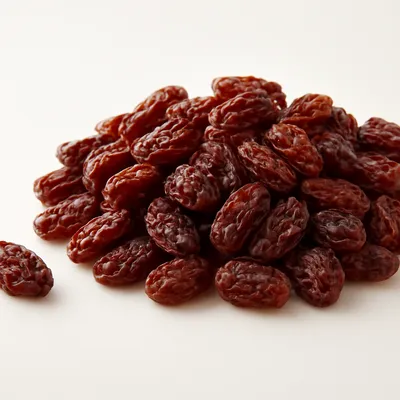
Once fermentation is complete, strain the kvass again to remove any sediment. Pour into bottles, adding a few raisins to each for added flavor and carbonation if desired.
Watch outEnsure all sediment is removed to prevent off-flavors in the final beverage.
- 50 min
Cap the bottles tightly and allow them to ferment further in a cool place for a day or two before chilling in the refrigerator.
Watch outA day or two of bottle-conditioning is enough; when it hisses lightly on opening, chill it and stop the fermentation there.