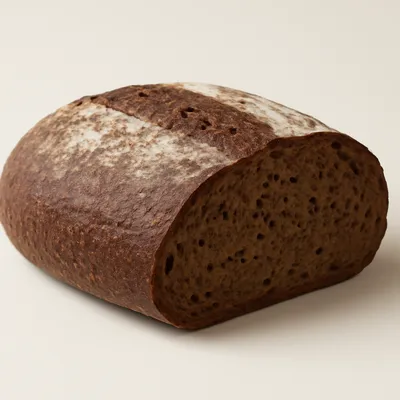
Nutty and robust, rye bread boasts a dense, hearty texture with a slightly sour tang. Its distinctive flavor makes it a perfect partner for bold toppings or as a base for open-faced sandwiches.
Where it comes from
Rye bread has roots in Eastern European cuisine, particularly in countries like Germany and Russia, where it has been a dietary staple for centuries, often associated with rustic, hearty meals.
In the kitchen
Rye bread is used for sandwiches and toasts, providing a rich, flavorful base that complements cured meats, cheeses, and pickled vegetables, enhancing the overall taste experience.
Across cuisines
Rye bread (chleb żytni) is the Polish daily bread — a dense sour-rye loaf eaten with butter and herring for breakfast, with smoked-meat sandwiches at lunch, and torn into the żurek soup at the table. The Polish rye sourdough fermentation takes 24-36 hours and produces a tangier bread than the German equivalent. Every Polish bakery has its own starter going back decades.
Nutrition (per 100g)
AI-estimated; model and run unavailable.
Pairs well with