


The word smørrebrød means "buttered bread" — smør (butter) plus brød (bread). The form is old: Danish farmers had eaten buttered rye topped with leftovers as a workday lunch for centuries, the fat acting as a barrier so juices wouldn't soak the bread. It crystallized into a named restaurant dish during the late-19th-century wave of industrialization and urban work, when laborers could no longer go home for lunch; the oldest known menu using the term dates to 1883 at Restaurant Nimb in Copenhagen's Tivoli Gardens. The most influential restaurant version came from Oskar Davidsen, who opened in Copenhagen in 1888 — he and his wife Petra built menus of hundreds of named combinations, and their "smørrebrødsseddel" (over 1.4 metres long, with well over a hundred options) entered the Guinness records. The restaurant is run today by his descendant Ida Davidsen.
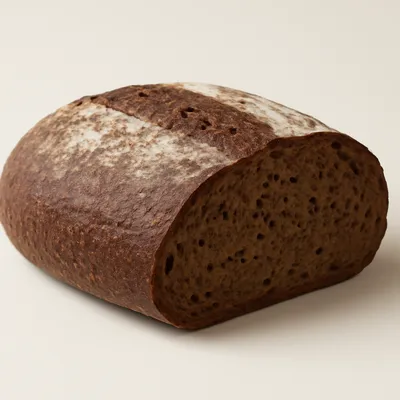
The modern format was codified at Davidsen in Copenhagen (Ida Davidsen's family business, founded 1888), which built menus of dozens of named combinations. Rugbrod is the platform — dense sourdough rye, buttered edge to edge as a moisture barrier.
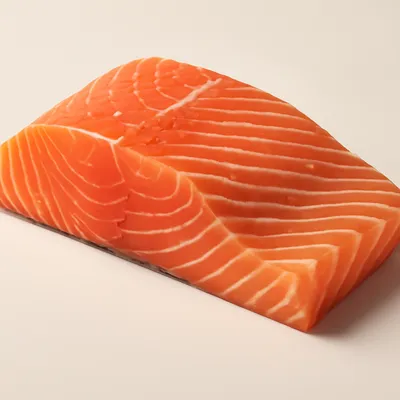
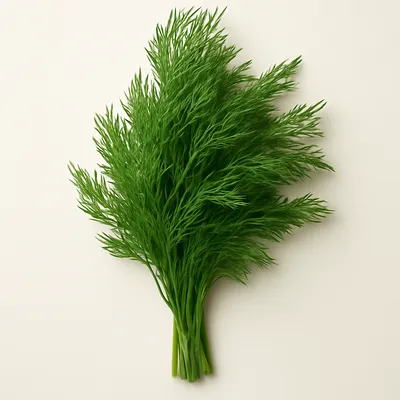
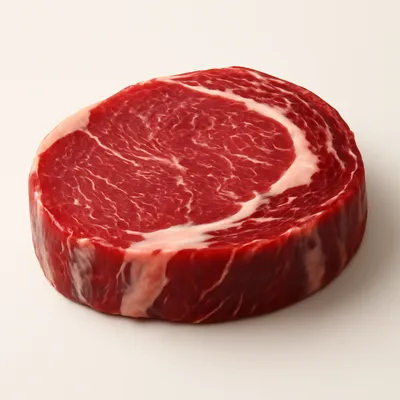
A slice of dense dark rye bread (rugbrod), buttered edge to edge, then loaded with one main item — pickled herring, smoked salmon with dill, rare roast beef with crispy onions, or chicken salad — and finished with garnishes the size and color of jewelry. Eaten with knife and fork, never picked up. The bread shows around the edges; piling past the crust is amateur.
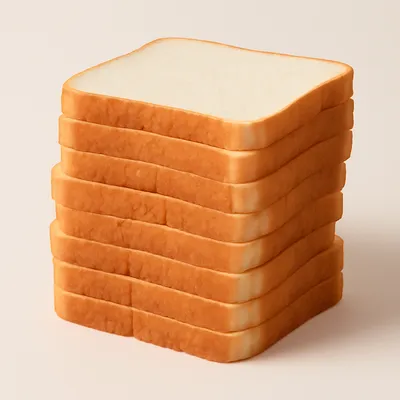
The bread is the platform, not a vehicle. Rugbrod is sourdough rye baked dense enough to support wet toppings without sogging — a slice should feel heavy and almost gummy. Butter is non-negotiable: it's the moisture barrier between the bread and the topping. White bread or a lighter rye collapses; that's why smorrebrod doesn't migrate well outside the Nordic rye belt.
Variations
Stjerneskud (fried plaice with shrimp and asparagus); dyrlægens natmad (liver pâté with salt beef); sol over Gudhjem (smoked herring with raw yolk, Bornholm); pickled-herring trio on white-painted rugbrod is the canonical lunch.
On the Palate
Where Smorrebrod sits in the Danish flavor cloud
The rye bread is the platform, so use a dense sourdough rugbrod and butter it edge to edge — the butter is the moisture barrier that keeps wet toppings from turning the slice soggy.
Ingredients






How it's made
3 steps · 15 min
- 15 min
Slice the dense, dark rye bread, known as rugbrød, into even pieces about 1 cm thick. Spread a generous layer of butter on each slice, making sure to reach the edges for full flavor.
Watch outButter must reach the edges; any bare crust is where the topping juice will soak in.
- 25 min
Arrange your chosen toppings, such as thin slices of Atlantic herring or smoked salmon, evenly across the bread. Add a few sprigs of fresh dill and a squeeze of lemon for a burst of freshness.
Watch outA squeeze of lemon over oily fish brightens it; add it just before serving so it stays fresh.
- 35 min
Garnish with finely chopped onions and capers. For a heartier option, add slices of meat or cheese, arranging them neatly on top.
Watch outOnion and capers go on last as sharp accents; scatter, don't bury the main topping.
Archive tool suggestions — not reviewed
These legacy suggestions have not been evidence-reviewed and are not presented as required tools.