



One of Denmark's oldest dishes, documented in writing by 1766 and possibly dating to the Bronze Age when dried peas were a winter staple; it is widely regarded as the Danish national soup.
The soup is thick and velvety, with a gentle earthy sweetness from the peas and a savoury backbone from the salted pork. Each spoonful is warming and substantial, and the bite of mustard against the salty meat makes the whole bowl sing.
Long simmering hydrates and ruptures the split peas' starch granules so they dissolve into the liquid, naturally thickening it, while the salted pork enriches the broth with gelatin and savoury depth.
Variations
Made with a smoked ham hock, finished with a swirl of cream, or served with both boiled and fried pork; some regions add whole boiled potatoes on the side.
On the Palate
Where Gule Ærter sits in the Danish flavor cloud
Ingredients
Serves 6
How it's made
8 steps · 20 min
- 110 min
Rinse 500g yellow split peas and soak overnight in cold water, then drain.
- 210 min
Place the peas in a large pot with fresh water and bring to a boil, skimming off any foam.
- 390 min
Add a piece of salted pork belly or pork knuckle and simmer gently for about 1 to 1.5 hours until the peas begin to break down.
Watch outSimmer gently, not at a hard boil — the peas should slump and start breaking down on their own after an hour-plus; a rolling boil scorches the bottom before they soften.
- 430 min
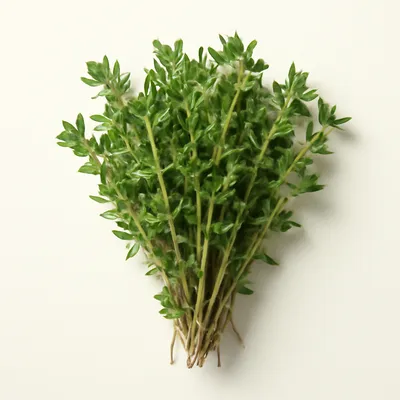
Add diced carrots, celeriac, leeks and potatoes plus thyme, and continue simmering until the vegetables are tender.
- 510 min
Remove the pork, slice it, and keep it warm; stir the soup until it reaches a thick, creamy consistency.
Watch outStir until it turns thick and creamy and coats the spoon — if it's still watery the peas haven't broken down enough, keep going.
- 63 min
Season the soup with salt, pepper and a little dried marjoram or thyme.
- 715 min
Meanwhile, poach or fry medisterpølse sausage until cooked through.
- 85 min
Serve the thick soup in bowls with the sliced pork and sausage, strong mustard and rye bread on the side.


