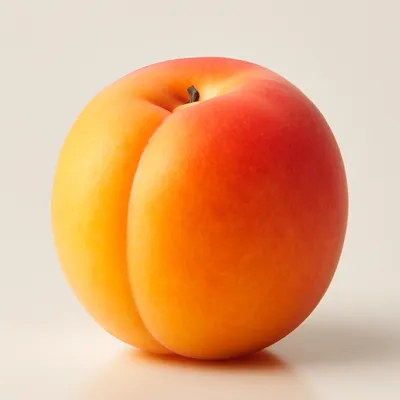




A Provençal and Roussillon farmhouse pastry — apricot orchards have grown in the Rhône valley and Roussillon since the Middle Ages, with the prized Bergeron variety established near Valence in the 1920s. The tart is the household use for fruit too ripe to ship: split, sugared, baked into pâte sablée at the height of the late-June to mid-July season.
Provençal summer pâtisserie — pâte sucrée shell, frangipane base, halved Roussillon apricots cut-side up. The acidity of the fruit is what keeps the almond cream from cloying.
Halved apricots cut-side up on a thin pâte sablée or shortcrust, sometimes over a layer of frangipane, glazed after baking with reduced apricot jam. The fruit caramelizes at the edges; the cut faces concentrate sourness as the juice cooks off. Eaten warm or at room temperature, never cold from the fridge — that flattens the perfume.
Apricot is high in pectin and acid, low in sugar — it needs help. Cooks salt the cut sides briefly to draw water, dust with sugar, sometimes blot before baking; otherwise the tart goes soggy. The post-bake jam glaze isn't decoration — it seals the surface and lifts the perfume that escapes during baking. Use under-ripe fruit and the tart is sour and dry; over-ripe and it floods.
Variations
Tarte aux abricots à la frangipane (the classic); Alsatian linzer-style with crumb top; Lyonnais version uses crème pâtissière instead; rustic galette des abricots is the free-form Provençal cousin.
On the Palate
Where Apricot Tart sits in the French flavor cloud
Tame the apricots' water before they hit the crust — salt and sugar the cut sides to draw out juice so the pastry bakes crisp instead of soggy, then glaze with warm jam to seal and lift the perfume.
Ingredients

How it's made
5 steps · 25 min
- 110 min
Preheat your oven to 375°F (190°C). Roll out the tart dough on a lightly floured surface until it's about 1/8 inch thick. Carefully lift and lay it into a tart pan, pressing gently to fit.
- 25 min
Halve and pit the apricots. Arrange them in a circular pattern over the dough, cut side up, snugly fitting them together.
Watch outPack the halves snug and tight — they shrink as they bake, so gaps now become bare dough later.
- 35 min
Sprinkle sugar evenly over the apricots, then dot with small pieces of butter. The sugar will caramelize and the butter will add richness as the tart bakes.
Watch outScatter the sugar evenly and dot the butter in the gaps; you want caramelized edges, not a puddle of syrup in one spot.
- 435 min
Place the tart in the oven and bake for about 30-35 minutes, or until the crust is golden and the apricots are tender and slightly caramelized.
Watch outPull it when the crust is deep golden and the apricot edges have caught a little color and softened; a pale crust means a raw, damp base.
- 55 min
Let the tart cool slightly before serving. The filling will set as it cools, making it easier to slice.
Archive tool suggestions — not reviewed
These legacy suggestions have not been evidence-reviewed and are not presented as required tools.