
Poires tapées are the flattened, oven-dried pears of Rivarennes in Touraine — whole pears peeled, slowly dehydrated for days in wood-fired ovens, then pressed flat with a special tool. Dense, dark and chewy, they keep for a long time and are eaten as a dried fruit or, classically, rehydrated by gentle poaching in red wine or sweet Vouvray. Plumped back up, perfumed with cinnamon and spice, they make a deep, winey compote — a Loire winter sweet built on a centuries-old preserving craft.


Poires tapées are a Touraine specialty centred on Rivarennes, where flattened pears are recorded from the 16th century. Production surged in the 19th century, when phylloxera destroyed the vines and forced growers to diversify; the dried pears were exported as far as northern Europe. A romantic account credits returning Crusaders with bringing fruit-drying techniques home, but this is folklore, not documented history. Two world wars, imported fruit and industrialisation nearly extinguished the craft, until it was revived at Rivarennes at the end of the 20th century, where a dedicated 'Maison de la Poire Tapée' keeps the tradition alive.
Dry from the rack, the pear is leathery, dark amber, intensely sweet and faintly caramelised, chewy like a fat dried fig. Poached back to life in wine it turns supple and juicy, the flesh stained deep red-purple, the syrup heady with cinnamon. The flavour is concentrated pear — far more than a fresh one — rounded by the wine's tannin and warm spice. Served a few to a bowl with their syrup, sometimes a spoon of cream alongside.
Drying is preservation by water removal: slow dehydration in gradually heated wood ovens drives moisture out of the peeled pears until they are too dry for microbes to spoil, while concentrating sugars and developing caramel notes. Flattening with the press both speeds even drying and gives the characteristic disc shape, and squeezes the dense flesh together for keeping. Rehydration reverses the process — the dried flesh reabsorbs wine and slowly swells and softens during a gentle poach, taking on the liquid's colour, tannin and spice as it plumps.
Variations
The pears are rehydrated in red wine, in sweet local Vouvray, in herbal tea, or in spiced syrup; cinnamon, vanilla and citrus zest are common aromatics. They are eaten plain as a dried fruit, served as a dessert compote, or used to accompany game and cheese. The same Touraine tradition also produces pommes tapées — flattened dried apples — by the identical method.
On the Palate
Where Poire Tapée sits in the French flavor cloud
Ingredients
Serves 6How it's made
8 steps · 30 min
- 120 min
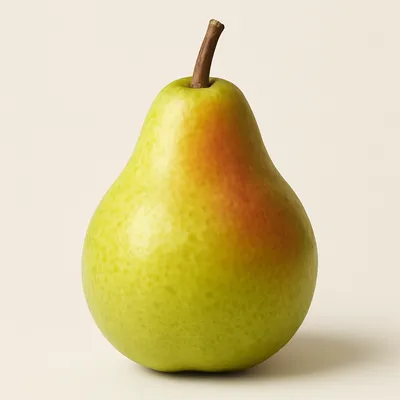
Peel firm whole pears, leaving the stalks on.
- 21440 min
Lay them on racks and dry slowly in a low wood-fired or conventional oven over several days.
- 330 min
Press each part-dried pear flat with the special tool (or a board), then return to finish drying.
- 45 min
Store the leathery flattened pears; they keep for months.
- 515 min
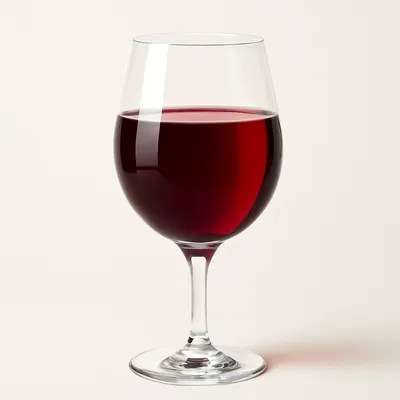
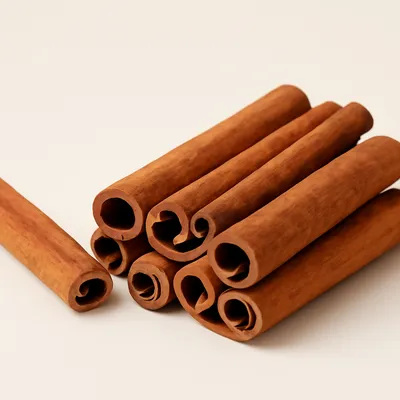
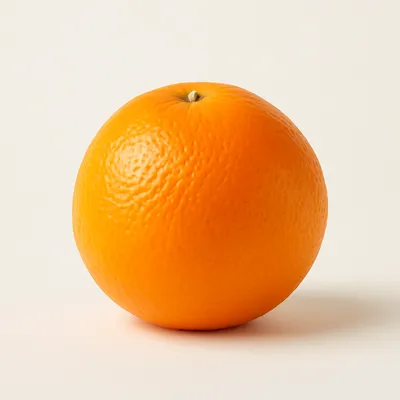
To serve, simmer the dried pears gently in red wine or sweet Vouvray with sugar, cinnamon and a strip of citrus zest.
- 640 min
Poach until the fruit swells, softens and absorbs the wine.
Watch outPoach the dried pears low and slow until they swell, soften and drink up the wine — rush the heat and they stay leathery in the middle.
- 710 min
Reduce the poaching liquid to a light syrup.
- 85 min
Serve the rehydrated pears warm or cool in their syrup, optionally with cream.
Archive tool suggestions — not reviewed
These legacy suggestions have not been evidence-reviewed and are not presented as required tools.



