
A classic of Parisian haute cuisine in which cooked lobster is lifted from its shell, cut up and bound in a rich creamy sauce sharpened with mustard and cognac, then packed back into the half-shells, blanketed with grated cheese and gratinéed under a hot broiler until the top is golden and bubbling. The sauce is most often a mornay — a flour-thickened béchamel enriched with egg yolk, cream and Gruyère — seasoned with mustard, white wine and a splash of cognac. The lobster shells double as serving dishes, presented split and overflowing with the glazed crust. It is a restaurant set-piece rather than home cooking, demanding live lobster, a precise sauce and a watchful eye at the broiler.
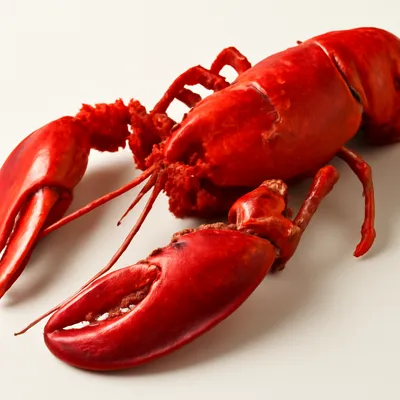

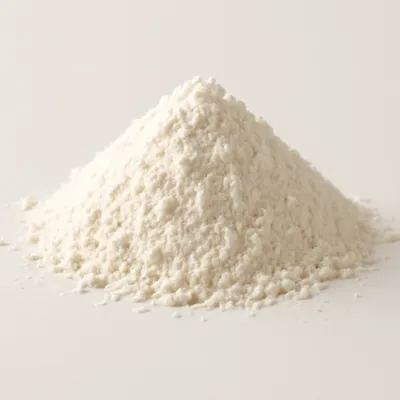

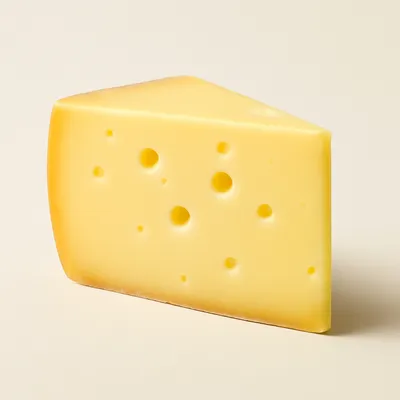

Lobster Thermidor took shape in Paris in the early 1890s and is named after Thermidor, the play by Victorien Sardou that premiered at the Comédie-Française on 24 January 1891 — a drama about the fall of Robespierre so politically charged that radical Republicans rioted at its second performance and the government banned it from state theatres, where it did not reopen until 1896. Thermidor is also a summer month of the French Republican Calendar, the source of the play's title. The dish's exact authorship is disputed: it is variously credited to the restaurant Maison Maire near the Porte Saint-Denis theatres, to a Café de Paris kitchen run by chef Léopold Mourier (a former assistant of Auguste Escoffier), and to a Chez Marie dated by some accounts to 1894 — claims that conflict and that no single source establishes. What is firmly recorded is that the preparation entered the codified canon when Escoffier set down a version in Le Guide Culinaire (1903). The original sauce is generally said to have been seasoned with English powdered mustard; Dijon is the usual choice in modern kitchens.
The gratin top is the first thing: a blistered, deep-gold cheese crust that crackles under the fork and gives way to a hot, loose creamy sauce beneath. The lobster itself is sweet and firm with a gentle snap, its brininess folded into the richness of cream and egg yolk. Mustard and cognac run underneath as a sharp, faintly boozy warmth that keeps the dish from turning cloying, and the whole thing arrives bubbling in its own shell, smelling of toasted cheese and shellfish.
The body of the dish is a mornay sauce. A roux — equal parts butter and flour cooked together — thickens milk into a béchamel as the flour's starch granules swell and gelatinise; off the heat, grated Gruyère is stirred in to melt into a mornay, and an egg-yolk-and-cream liaison enriches it and helps it set. Mustard does double duty: its compounds emulsify the fat for a smoother sauce and its pungency, with the cognac and white wine, cuts through the cream. The decisive step is the gratin. Spooned over the lobster and slid under a hot broiler, the cheese-and-sauce surface loses water and browns fast: the milk and cheese proteins and sugars undergo the Maillard reaction while exposed sugars caramelise, building the golden, nutty, slightly bitter crust. High overhead heat colours the top before the delicate lobster beneath can overcook and turn rubbery — the reason a broiler, not a slow oven, is used.
Variations
Two schools divide the sauce: the béchamel-and-mornay version described here, and a looser egg-yolk sauce, a savoury custard bound with yolks and cognac without a roux. Homard à l'Américaine (or à l'Armoricaine) is the other great French lobster classic, built instead on a tomato, wine and brandy sauce rather than a cheese gratin. Lobster Newburg, an American cousin, uses a similar egg-yolk-thickened cream sauce with sherry but is served without the browned cheese top. Cheaper restaurant and home renditions stretch the dish with crayfish or substitute crab, and some finish with a sprinkle of Parmesan in place of, or alongside, the Gruyère.
On the Palate
Where Homard Thermidor sits in the French flavor cloud
Ingredients
Serves 2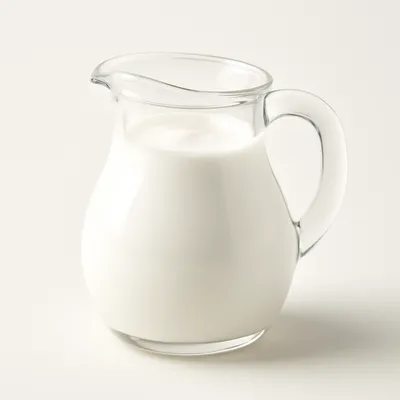


How it's made
8 steps · 40 min
- 110 min
Plunge the live lobsters into a large pot of heavily salted boiling water and cook just until done, about 8 to 10 minutes; lift out and let cool enough to handle.
Watch outBoil the lobster just 8 to 10 minutes until done — it cooks again under the broiler, so overcooking now leaves the meat rubbery.
- 212 min
Split each lobster lengthways, lift out the tail and claw meat, cut it into bite-sized pieces and reserve; clean the half-shells and set them on a baking tray.
- 38 min
Sweat the chopped shallot in butter, add the white wine and cognac and reduce by half to concentrate the flavour.
- 410 min
Make a roux with butter and flour, whisk in the milk and cook into a smooth béchamel, then stir in the reduction, Dijon mustard and most of the grated Gruyère to make a mornay.
- 55 min
Off the heat, temper in the egg yolks and cream so the sauce thickens without scrambling; season with salt, pepper and a little cayenne.
Watch outTake the pan off the heat before tempering in the yolks and cream — too much heat scrambles the eggs and breaks the sauce into grains.
- 64 min
Fold the lobster meat through the sauce, then spoon it generously back into the half-shells, mounding it slightly.
- 71 min
Scatter the remaining Gruyère over the top.
- 85 min
Slide under a hot broiler until the surface is golden, blistered and bubbling, about 3 to 5 minutes; serve at once.
Watch outBroil just 3 to 5 minutes until the top is golden, blistered and bubbling — it browns fast, so watch it and pull it before it scorches.
Archive tool suggestions — not reviewed
These legacy suggestions have not been evidence-reviewed and are not presented as required tools.


