
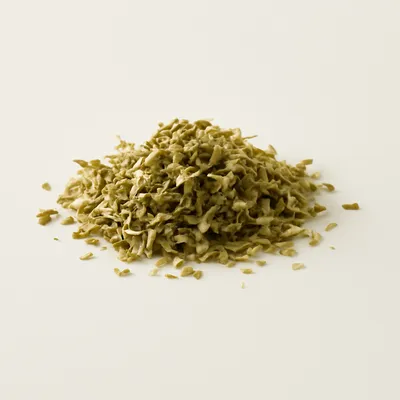
A Basilicata dish of pure cucina povera: slices of stale durum-wheat bread, ideally Pane di Matera, softened with hot salted water and dressed with extra-virgin olive oil, garlic or onion, and oregano. The Lucanian version is set apart from its Apulian and Campanian cousins by an egg, poached straight in the liquid or fried and laid on top, and frequently by a scatter of crumbled peperoni cruschi. It was the field meal of shepherds and farm workers, who carried hard bread that kept for days and revived it on the spot with little more than water, salt, and oil. The name says everything about its means: acqua e sale, water and salt.
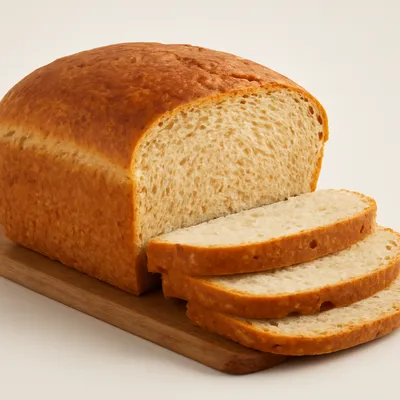




Acquasale belongs to the bread-soup family of southern Italy's cucina povera, eaten across Basilicata, Puglia, Campania, and Calabria, with the name derived from its barest form—acqua e sale, salted water poured over bread. It grew out of the daily reality of agricultural labor: peasants and shepherds were issued or carried hard, durum-wheat bread that kept for days in the fields, and softened it with water, salt, and a little oil when there was nothing else. In Basilicata the dish takes on a distinct identity through the addition of an egg, poached in the liquid or fried, and often a handful of peperoni cruschi—the crisp-fried sweet peppers of Senise, whose pepper holds PGI status (Reg. EC 1263/96, 1996). The bread of choice is Pane di Matera, the durum-semolina loaf granted PGI status in 2008, traditionally baked large precisely because it kept long enough to provision workers far from home. The dish is a close relative of panzanella and of the Apulian cialledda, from which the egg-bearing Lucanian acquasale is usually distinguished.
The bread arrives at the edge of collapse—soaked soft and savory at the heart but still holding a chewy, crusty bite at the rim where it met the bowl. The broth is thin, warm, and frankly salty, slicked with grassy olive oil and scented with oregano and garlic. Break the egg and its yolk runs gold into the liquid, coating each piece of bread in richness; where peperoni cruschi are scattered on top they snap like a crisp and bleed a sweet, smoky red.
Stale bread is the whole point, not a flaw. As bread ages, its starch recrystallizes (retrogradation) and the crumb turns firm and dry; hot water reverses this, the granules re-swell and the crumb drinks liquid back without dissolving into mush the way fresh bread would. A dense durum-semolina loaf like Pane di Matera, with its thick crust and large irregular crumb, holds structure through the soak—the reason a long-keeping field bread suits the dish. The egg can be slipped into the barely simmering, salted liquid and poached: at roughly 62–65°C the white sets while the yolk stays fluid, and the salt and faint acidity help the white coagulate around the yolk rather than feathering away. Olive oil emulsifies lightly into the warm broth, carrying fat-soluble aromatics from garlic and oregano. Peperoni cruschi, when used, are flash-fried separately: the Senise pepper's thin flesh (1.5–2.2mm) and very low moisture let it crisp in 1–2 seconds in oil at about 160–170°C, but the same low mass means it scorches bitter within seconds if the oil runs hot or the pepper lingers.
Variations
The dressing shifts with the season and the cook: fresh or conserved tomato in summer, raw onion or garlic, a pinch of dried chilli, oregano always welcome. The egg may be poached soft in the broth, fried and laid on top, or omitted for the plainest version. Some Lucanian cooks swap the tomato for a few coins of dried salami or sausage, and peperoni cruschi are a common crowning touch. Beyond Basilicata the dish multiplies: the Cilento (Campania) version adds buffalo mozzarella, Calabrian ones bring broccoli with cured meat or asparagus with egg, and the Apulian cialledda is the close cousin, eaten cold in summer with tomato and cucumber.
On the Palate
Where Acquasale sits in the Italian flavor cloud
Ingredients
Serves 2

How it's made
7 steps · 15 min
- 13 min
Slice 250g stale durum-wheat bread, ideally Pane di Matera, into thick pieces and divide between two bowls.
- 22 min
Peel and lightly crush 1 garlic clove (or thinly slice half a small onion); if using tomato, halve 2 ripe tomatoes.
- 35 min
Bring about 500ml water to a gentle simmer with a good pinch of salt; for more flavour, simmer the garlic and tomato in it for a few minutes, then discard the garlic.
- 42 min
Optional: in a small pan, flash-fry a few whole peperoni cruschi in olive oil at 160-170°C for 1-2 seconds each until crisp, lift out immediately, and drain; reserve.
- 53 min
Slide 2 eggs into the barely simmering salted water and poach for about 3 minutes until the whites set and the yolks stay soft (or fry them separately).
Watch outPoach the eggs in barely-simmering water about three minutes — hold it just trembling, around 62 to 65, so the whites set while the yolks stay soft; a hard boil overcooks them.
- 63 min
Ladle the hot liquid over the bread to soak it, lift the poached eggs on top, and let stand 2-3 minutes so the bread softens through.
Watch outLadle the hot liquid over the bread and let it stand two to three minutes to soak through — a dense stale loaf drinks it up and turns tender without dissolving; rush it and the center stays dry and hard.
- 72 min
Finish with a generous drizzle of extra-virgin olive oil, a pinch of oregano, black pepper, and the crumbled peperoni cruschi; serve warm.
Archive tool suggestions — not reviewed
These legacy suggestions have not been evidence-reviewed and are not presented as required tools.


