
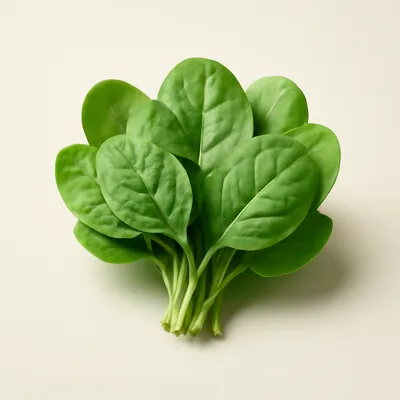
The green spinach version of spätzle, the soft egg-and-flour dropped noodle of the Alpine kitchen, in the form most associated with South Tyrol: tossed in a cream sauce with strips of speck and a scatter of chives. Spinach is worked into the dough, turning the little noodles deep green and giving them a mild vegetal note. A loose batter is scraped or pressed into boiling water, where the noodles set in seconds and float free. Rich and quick, it is a staple primo of Alto Adige trattorie and mountain restaurants.





Spätzle is Swabian in origin and spread across the German-speaking Alps and beyond — Tyrol, Switzerland, Alsace and Trentino-Alto Adige all share it. The name is a Swabian diminutive of Spatz, «sparrow», the little noodles supposedly resembling small birds. South Tyrol took the dish into its own kitchen, where it is also called spatzln, and the spinach version dressed with cream and speck became one of its signature first courses. The EU protection that exists belongs to «Schwäbische Spätzle», the Swabian noodle, not to any South Tyrolean version; the Alto Adige dish is a regional preparation rather than a designated product.
The noodles are soft and tender with a slight chew, irregular in shape with little nubs and tails that catch the sauce. The spinach keeps them mild and grassy rather than strongly flavoured, and the green colour is part of the appeal. In the classic dress, a silky cream sauce coats them, the speck runs through in salty, smoky strips, and chives and a little grated cheese sharpen and freshen the richness. The dish should be loose and saucy, the noodles slippery and yielding; spätzle boiled too long go mushy, and a sauce left to over-reduce turns it stodgy.
Spätzle dough is a soft, sticky batter, not a kneadable dough — it is beaten, not kneaded, so that the egg and flour form just enough structure to hold together while staying loose enough to scrape. Beating develops some gluten and incorporates air, which makes the noodles light. The batter is forced through a spätzle press or scraped from a board into boiling water; the heat sets the egg proteins and gelatinises the starch almost instantly, firming each noodle so it floats to the surface when done. Blanching spinach and pureeing it into the batter colours and flavours it while adding little extra liquid. The finished noodles are best tossed straight into a warm sauce, where their starchy surface helps the cream cling.
Variations
Plain (un-spinached) spätzle is just as common, served buttered, in broth, or as the base for Käsespätzle, baked or tossed with melted mountain cheese and fried onions — that cheese version is most strongly tied to Vorarlberg and the Allgäu, with South Tyrol sharing the wider tradition. Beyond spinach, the dough can be coloured and flavoured with herbs or beetroot. The cream-and-speck dressing is the regional signature, but a simple finish of browned butter and cheese is just as traditional. The same noodle is the Knöpfle when pressed into shorter, rounder dumplings.
On the Palate
Where Spätzle agli Spinaci sits in the Italian flavor cloud
Ingredients
Serves 4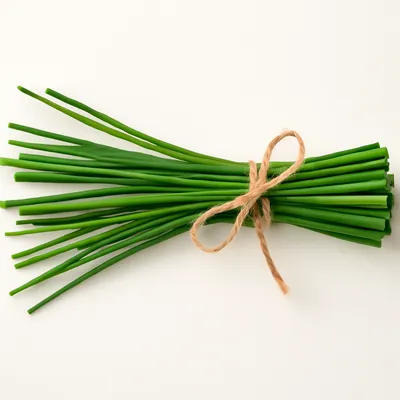

How it's made
8 steps · 30 min active + 10 min waiting
- 15 min
Blanch the spinach briefly, squeeze it dry, and puree it smooth.
- 28 min
Beat the flour, eggs, spinach puree, salt and a little milk into a thick, sticky batter; rest 10 minutes.
Watch outBeat the batter, don't knead it — beating builds just enough structure and works in air for light noodles, while keeping it loose enough to scrape.
- 35 min
Bring a wide pot of salted water to the boil.
- 45 min
Scrape or press the batter through a spätzle press into the boiling water in batches.
- 55 min
Cook each batch until the noodles float, about 1–2 minutes, then lift out into cold water; drain.
Watch outThey're done the moment they float, 1–2 minutes, then straight into cold water — leave them in and they overcook and turn heavy.
- 66 min
Warm cream in a pan, add strips of speck and let it reduce slightly to a coating sauce.
- 73 min
Toss the drained spätzle in the cream and speck until hot and well coated.
- 83 min
Finish with chopped chives, grated cheese and a grind of pepper, and serve at once.
Archive tool suggestions — not reviewed
These legacy suggestions have not been evidence-reviewed and are not presented as required tools.


