
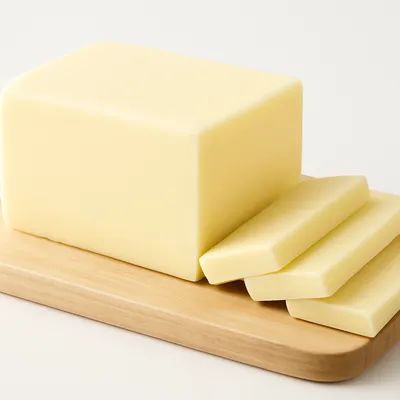
A half-moon stuffed pasta from South Tyrol (Alto Adige), the German- and Ladin-speaking Alpine province of northern Italy, known in Italian as mezzelune. The dough is rolled from a mix of rye and wheat flour, cut into discs, filled with spinach and a fresh curd or ricotta, then folded into crescents and pressed shut. They are boiled and dressed simply with melted butter, chives and grated Grana. It is a hearty mountain primo and is served as a main course.

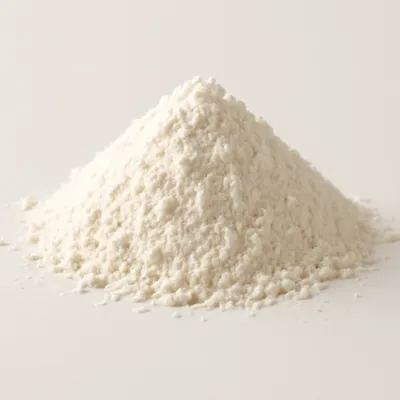



Schlutzkrapfen are the South Tyrolean member of the wide Alpine family of stuffed pastas that straddles the Italian–Austrian border, where Italian, German and Ladin cultures meet. The exact origin is unrecorded, as is usual for regional farmhouse pasta, but the rye in the dough places it firmly in the Alpine grain belt rather than the wheat plains to the south. They go by several names across the region: Mezzelune («half-moons») in Italian, Schlutzer or Schlickkrapfen in German dialect, and Ravioli della Pusteria after the Val Pusteria, while the Ladin valleys have their own close cousins.
A thin, slightly nutty-tasting wrapper — the rye gives it a faint earthiness and a duskier colour than plain egg pasta — around a soft, green-and-white filling that is mild, milky and faintly tangy from the curd. Dressed only in golden butter and fresh chives, the dish is gentle and clean rather than rich. A good one has a thin, well-sealed edge and tender pasta; badly made, the seam is doughy and thick, or it splits in the water and loses its filling.
Rye flour is low in gluten, so it is cut with wheat flour and bound with egg to give the dough enough strength and stretch to roll thin and seal without tearing. The filling must be squeezed dry — wet spinach or loose curd would make the seam slip open and the parcels burst in the pot — and the edges are pressed firmly, sometimes brushed with water or egg, so they fuse as the starch gelatinises in the boil. They are cooked in gently simmering water, not a violent boil that would batter the seams apart, and lifted out the moment the pasta turns tender. Tossing them in browned butter adds nutty Maillard aromatics that lift the mild filling.
Variations
The spinach-and-curd filling is the classic, but versions with potato, sauerkraut, or wild nettle filling are also made; in the Ladin valleys of the Dolomites the close relatives casunziei (often beetroot-filled) carry the same half-moon idea. Schlutzkrapfen sit in the same broad Alpine and northern-Italian family as canederli, casoncelli of Lombardy and cjarsons of Friuli — stuffed mountain pastas dressed in butter rather than tomato.
On the Palate
Where Schlutzkrapfen sits in the Italian flavor cloud
Ingredients
Serves 4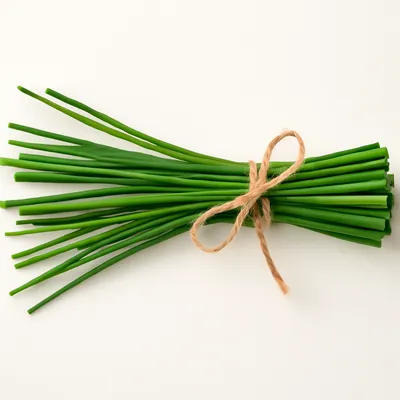


How it's made
7 steps · 1 hour 20 min
- 140 min
Make the dough from rye and wheat flour, eggs, a little oil and a pinch of salt, knead until smooth, and rest it for about 30 minutes.
- 215 min
Cook the spinach, drain and squeeze it very dry, chop it, and mix with the ricotta or curd, an egg, nutmeg, salt and pepper.
- 312 min
Roll the dough out very thin and cut it into rounds with a cutter.
- 420 min
Place a small spoon of filling on each round, fold into a half-moon, and press the edges firmly to seal, brushing with water if needed.
Watch outPress the whole rim firmly with dry fingers and pinch out any trapped air — a fully fused edge is what keeps them sealed in the water.
- 58 min
Drop the parcels into gently simmering salted water and cook until the pasta is tender and they float.
Watch outThey're done the moment they float and the pasta turns tender — lift them straight out, don't let them wallow.
- 65 min
Meanwhile melt the butter until just golden and nutty.
Watch outTake the butter off the heat the instant it smells nutty and turns pale gold — a few seconds more and it scorches bitter.
- 74 min
Lift out the drained Schlutzkrapfen, toss in the butter, and serve scattered with chives and grated Grana.
Archive tool suggestions — not reviewed
These legacy suggestions have not been evidence-reviewed and are not presented as required tools.


