
The signature stuffed pasta of the Maremma, the rural coastal corner of southern Tuscany: large square egg-pasta parcels filled with fresh ricotta and chard or spinach, scented with a little nutmeg and Parmesan. They are notably bigger than most Italian filled pasta and have a wide border of pasta around the filling, called affectionately il marciapiede, the pavement. Dressed simply with butter and sage or, more festively, with a wild boar ragù, they are a Sunday and holiday first course across the Maremma, where ricotta, field greens and pecorino are everyday ingredients.



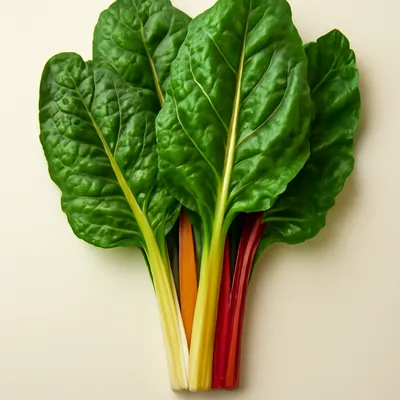


Tortelli maremmani are the best-known stuffed pasta of the Maremma and a fixture of its rural table. Their roots are traced to peasant cooking, in which families stretched simple, available ingredients — sheep's-milk ricotta, garden and field greens, a little cheese — into a celebratory dish for Sundays and feast days. The Maremma version is distinguished by its large size and the broad pasta border around the filling, locally called il marciapiede or la frangia. The filling is classically ricotta with spinach or chard, sometimes enriched with wild field herbs; in some Maremma towns nettles or mixed wild greens replace the chard. The dish has no fixed author or date and belongs to the wider Tuscan and central-Italian family of ricotta-and-greens filled pastas, but the oversized, thick-bordered Maremma style is its own local identity.
Large, tender pasta pillows with a soft, milky filling that gives way at once. The ricotta is light, creamy and faintly sweet, the chard or spinach earthy and green behind it, lifted by a whisper of nutmeg and the salt of Parmesan; the egg pasta is silky where it wraps the filling and pleasantly chewier at the thick border. With butter and sage the dressing is nutty and clean, letting the filling speak; with boar ragù the same parcels turn rich and gamey, the soft cheese a foil to the dark meat. The first taste is melting ricotta and butter, then the green note of the chard. Made well the pasta is thin and the filling moist and balanced; a heavy hand makes the filling dense or the pasta gummy.
This is fresh egg pasta filled with a drained soft-cheese mixture. The dough is made with egg, whose proteins and fat give a supple, elastic sheet that can be rolled thin and sealed without tearing; resting the dough relaxes the gluten so it rolls out smoothly. The filling must be relatively dry, so the cooked greens are squeezed hard of their water and the ricotta is well drained — excess moisture would make the filling slump and the pasta split or go soggy in the water. Nutmeg and Parmesan season it, and the egg or the cheese's own protein helps the filling hold together once cooked. The wide pasta border is sealed firmly to keep the filling in during boiling, then the parcels are cooked briefly in well-salted water just until the pasta is tender and the filling heated through. A gentle dressing — butter and sage, or a slow ragù — coats without overwhelming the delicate filling; butter emulsifies with a little starchy pasta water to cling to the pasta.
Variations
The two classic dressings are butter and sage and a wild boar ragù, the latter especially Maremman given the region's hunting; a plain tomato sauce or a meat ragù are also used. The filling is traditionally ricotta with spinach or chard, but Maremma towns vary it: nettles around Sovana, mixed wild field herbs with sheep's cheese around Arcidosso and Santa Fiora, sometimes a little marjoram. Sheep's-milk ricotta is traditional where it is the local cheese. The same idea — ricotta and greens in fresh pasta — recurs across Tuscany and central Italy as tortelli, ravioli or, in Emilia, tortelli di erbette, but the Maremma version is marked out by its large size and thick border. They are at their best freshly made and boiled to order.
On the Palate
Where Tortelli Maremmani sits in the Italian flavor cloud
Ingredients
Serves 4
How it's made
8 steps · 1 hour 20 min active + 40 min waiting
- 145 min
Make an egg pasta dough, knead until smooth and elastic, and rest it wrapped for about 40 minutes.
- 210 min
Wilt the chard or spinach, squeeze it very dry, and chop finely.
Watch outSqueeze the wilted greens very dry — a wet filling slumps and splits the pasta or turns it soggy in the water.
- 38 min
Mix the greens with well-drained ricotta, grated Parmesan, a little nutmeg, salt and pepper to a firm filling.
- 412 min
Roll the dough into thin sheets; place spoonfuls of filling in rows, leaving a wide border.
- 515 min
Cover with a second sheet (or fold over), press out air, and seal firmly around each mound; cut into large squares with a thick edge.
Watch outPress out the air and seal each mound firmly — a trapped air pocket balloons and bursts the tortello open in the boiling water.
- 66 min
Boil the tortelli in well-salted water for a few minutes until the pasta is tender and they float.
- 75 min
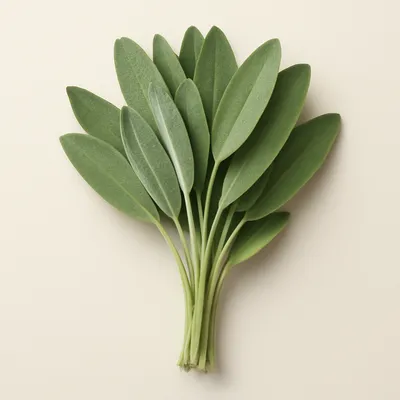
Meanwhile melt butter with sage (or warm a boar ragù).
- 84 min
Drain the tortelli, toss gently with the butter and sage and a little pasta water, and serve with grated Parmigiano.
Archive tool suggestions — not reviewed
These legacy suggestions have not been evidence-reviewed and are not presented as required tools.


