
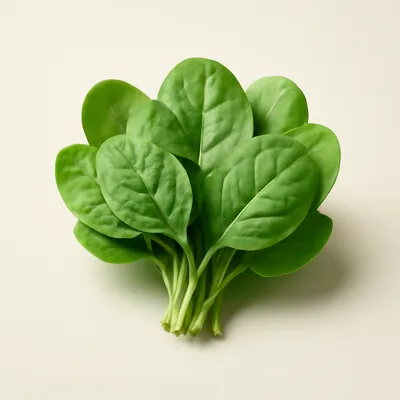
A Trentino dumpling — a gnocco built not on potato but on stale bread soaked in milk, bound with cooked spinach or chard, eggs, flour and grated cheese. The mixture is shaped into small ovals or quenelles, simmered briefly until they float, and dressed simply with melted butter and sage, often with grated Grana. It is a frugal mountain primo, a way of turning dry bread and a handful of greens into a substantial dish, and is served as a main course.





The dish belongs to the cucina povera of Trentino, where it is dated by tradition to the 16th century and the years of the Council of Trent (1545–1563); it was a Friday and lean-day food, eaten when church rules forbade meat. The name means «priest-stranglers», a label it shares with the strozzapreti of central Italy. The story that gluttonous priests choked on them, or that anticlerical peasants wished as much, is folk etymology rather than recorded fact, but it points to a real and widespread peasant resentment of the clergy.
Soft and pillowy, lighter and looser than potato gnocchi because bread and greens replace the dense starch — they should just hold together, yielding at once to the fork. The flavour is green and mild, the spinach or chard carried by sweet melted butter and the hay-like note of fried sage. A good strangolapreto is tender but not gluey; too much flour makes it heavy and rubbery, too little and it falls apart in the water. Nutmeg in the mix and a shower of aged Grana sharpen the whole.
This is a bound dumpling rather than a kneaded dough: the soaked bread provides soft starch and the egg sets on cooking to act as the glue, while flour is added only as much as is needed to make the mixture hold its shape. Squeezing the cooked greens dry is the key step — excess water would force in more flour and turn the dumplings leaden. They are dropped into barely simmering, not hard-boiling, water; a rolling boil knocks them apart before the egg has had time to firm, and the moment they rise to the surface they are done. Browning the butter with sage builds nutty Maillard and toasted-herb aromas that season the soft, mild dumplings.
Variations
Spinach is the common green today, but chard (and in some valleys nettle or other wild greens) is just as traditional; some households dress the dumplings with melted butter and Grana alone, others add a little ricotta to the mix or finish with a smoked-butter or speck note. The name and the bread-dumpling idea recur across the Alps and northern Italy under cousins such as canederli (Knödel) and the central-Italian strozzapreti, which is a hand-rolled pasta rather than a dumpling.
On the Palate
Where Strangolapreti sits in the Italian flavor cloud
Ingredients
Serves 4

How it's made
7 steps · 1 hour 10 min
- 115 min
Soak the stale bread in warm milk until soft, then squeeze out the excess milk.
- 215 min
Wash, cook and drain the spinach or chard, squeeze it very dry, and chop it finely.
Watch outSqueeze the cooked greens bone-dry — leftover water forces in more flour and makes the dumplings leaden instead of tender.
- 310 min
Mix the bread and greens with the eggs, grated cheese, nutmeg and salt, adding just enough flour to make a mixture that holds its shape.
- 415 min
Shape the mixture into small ovals or quenelles with two spoons or floured hands.
- 58 min
Lower them into a wide pan of barely simmering salted water and cook until they rise to the surface.
Watch outCook them in barely-simmering water and lift them the moment they float — a hard boil knocks them apart before the egg sets.
- 66 min
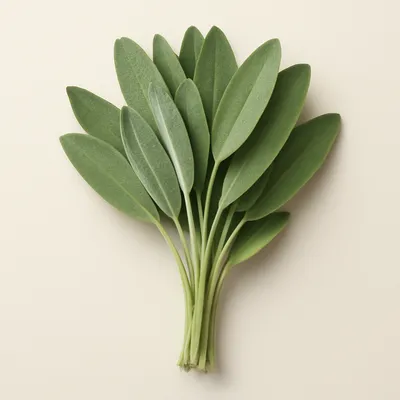
Meanwhile melt the butter with the sage leaves and cook gently until the butter is golden and nutty.
Watch outBrown the butter with sage only to golden and nutty — push it to dark brown and it turns bitter and burnt.
- 74 min
Lift out the drained dumplings, toss in the sage butter, and serve with plenty of grated Grana.
Archive tool suggestions — not reviewed
These legacy suggestions have not been evidence-reviewed and are not presented as required tools.


