The signature street food of the Val Pusteria: two paper-thin rounds of rye-and-wheat dough sealed around a savoury filling and deep-fried crisp, somewhere between a raviolo and a fritter. The classic stuffing is spinach with ricotta or quark, though sauerkraut, potato-and-cheese and a sweet poppy-seed version are all traditional. Fried golden and blistered, they are eaten hot at village feasts, most often beside a bowl of barley soup.




Tirtlan (tirschtlan in the Val Pusteria dialect, tutra in Ladin) is a dish of poor mountain cooking, from a time when rye was the grain that grew high in the valleys and wheat was a luxury; the oldest doughs were pure rye, later softened with half wheat and enriched with an egg. They were once fried in the lard rendered at the winter pig-slaughter, and belong to the festive table of village feasts and the autumn Torggelen new-wine walks. Recognised among Italy's traditional agri-food products, they remain a fixture of Alto Adige festival stalls, and are kept distinct from the boiled, half-moon Schlutzkrapfen of the same region.
The fried shell shatters into brittle, blistered flakes, oil-crisp at the edges and chewier where the two sheets meet. Inside, the spinach-and-ricotta filling is soft, mild and faintly sweet with nutmeg, its milkiness cutting the richness of the frying. Best eaten scalding, in the hand, the crackle giving way to a warm, tender centre.
Rye flour carries little gluten-forming protein and a lot of pentosan gums, so a pure-rye dough is tender but slack and hard to roll thin; blending in wheat adds an elastic gluten network that lets the sheet stretch to a millimetre without tearing, and the egg adds protein and fat for extra strength and colour. In the fryer at 170–180 °C the surface water flashes to steam, puffing the dough into blisters and driving the Maillard and starch-dextrinisation reactions that brown and crisp it. Sealing two sheets around the filling traps its moisture so the spinach and cheese steam gently inside while the shell fries, and the fat conducts heat far faster than boiling water would, giving the crisp, browned crust a boiled Schlutzkrapfen never develops.
Variations
Fillings run well beyond spinach and ricotta: sauerkraut seasoned with caraway, potato mashed with cheese, and a sweet version filled with ground poppy seed and sugar are all traditional. The dough may be rolled as separate discs sealed in pairs, or as one folded sheet. Cousins across the German-speaking Alps include the Karntner Kasnudeln and the fried Kirchtagskrapfen, while within South Tyrol the boiled, half-moon Schlutzkrapfen shares the same spinach-and-quark heart.
On the Palate
Where Tirtlan sits in the Italian flavor cloud
Ingredients
Serves 4


How it's made
7 steps · 30 min
- 110 min
Mix rye flour and wheat flour with a beaten egg, a little oil, warm water and salt, and knead to a smooth, firm dough.
- 230 min
Cover and rest the dough for 30 minutes so the gluten relaxes and it will roll thin without tearing.
- 315 min
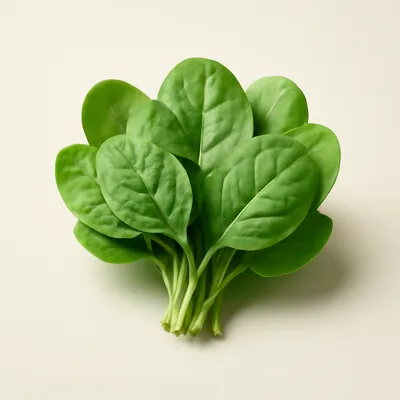
Wilt the spinach, squeeze it very dry and chop, then mix with ricotta, grated cheese, an egg, salt and a little nutmeg.
- 415 min
Divide the dough and roll it into very thin rounds about 1–2 mm thick, as thin as possible without holes.
Watch outRoll the sheets down to one or two millimeters, as thin as they'll go without holes — thick dough fries up hard instead of blistered and crisp.
- 510 min
Spoon filling onto half the rounds, brush the rims with water, lay a second round over each and press the edges firmly, crimping with a fork or fluted wheel to seal.
- 66 min
Heat oil or lard to 170–180 °C and fry the tirtlan a few at a time, turning once, until blistered and deep golden, about 2–3 minutes.
Watch outFry until the surface blisters and turns deep gold — big bubbles rising mean the sheet is puffing crisp; a limp pale round means the oil's too cool.
- 72 min
Drain on paper and eat piping hot, traditionally with a bowl of barley soup.
Archive tool suggestions — not reviewed
These legacy suggestions have not been evidence-reviewed and are not presented as required tools.


