Gossamer-thin squares of egg pasta — so translucent they recall the silk that made medieval Genoa its fortune — dressed purely with basil pesto and grated aged cheese, never layered or baked.

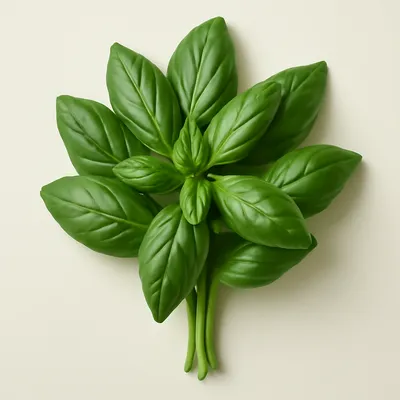


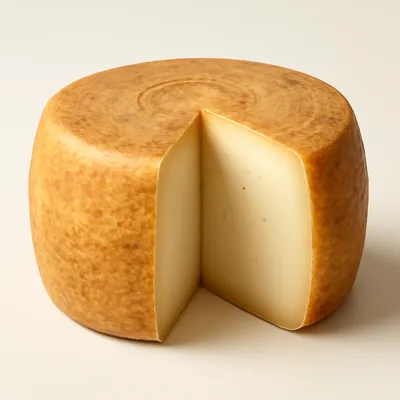

The name traces through Genoese dialect to Greek 'mandilion' and Arabic 'mandil,' both meaning handkerchief — evoking the pasta's translucent sheets and Genoa's medieval silk trade with the East. A 1316 document names Maria Borgogno as 'quae faciebat lasagnas,' placing a cognate pasta in the city's earliest written records. The 1865 cookbook La Vera Cuciniera Genovese specifies 5–6 cm egg-pasta squares, paper-thin, dressed with garlic-basil pesto and Parmigiano — no layering, no béchamel. Gastronome Giovanni Battista Ratto, writing in the same mid-nineteenth-century tradition, recorded that warm pasta water should thin the pesto to a clinging, fluid consistency. The pesto pairing became canonical around the mid-1800s; earlier preparations used light sauces of fresh cheese, cinnamon, mushrooms or hazelnuts.
Tender, almost dissolving pasta squares coated in intensely herbaceous, garlicky pesto; the warm pasta water transforms the sauce from dense paste to a silky emulsion that clings to every gossamer edge.
Ultra-thin pasta (1–1.5 mm) cooks in under 2 minutes: starch gelatinizes rapidly while egg proteins barely set, creating a soft, yielding bite. Adding starchy pasta water (60–70°C) to the cold pesto activates emulsification — suspended starch granules stabilize olive oil droplets within the cheese protein matrix, producing a clinging, non-greasy sauce instead of separation.
Variations
The richer 'pesto ricco' adds potato slices and green beans boiled alongside the pasta. 'Mandilli al tuccu' replaces pesto with slow-braised meat ragù. Commercial dry versions use durum semolina without egg for longer shelf life.
On the Palate
Where Mandilli de Saea sits in the Italian flavor cloud
Ingredients
Serves 4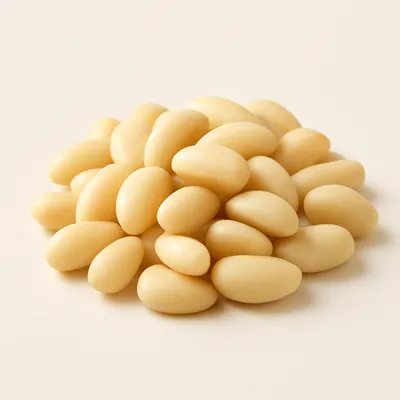
How it's made
8 steps · 30 min active + 30 min waiting
- 110 min
Sift flour onto a board, make a well, add egg, a pinch of salt and a drizzle of olive oil; knead 10 minutes until smooth and elastic.
- 230 min
Wrap dough in plastic and rest at room temperature for 30 minutes.
- 38 min
Roll dough through a pasta machine progressively to the thinnest or second-thinnest setting until near-transparent.
Watch outRoll until you can almost read newsprint through the sheet — too thick and these delicate 'handkerchiefs' turn gummy instead of silky.
- 43 min
Cut into 5–6 cm squares; dust lightly with flour to prevent sticking.
- 58 min
Pound basil, garlic, pine nuts and coarse salt in a mortar; stream in olive oil, then fold in Parmigiano and Pecorino off heat.
- 63 min
Bring a large pot of generously salted water to a rolling boil; add a splash of olive oil.
- 72 min
Cook pasta 1–2 minutes until just floating; reserve one cup of pasta water before draining.
Watch outPull the sheets the moment they float — one to two minutes; paper-thin pasta overcooks in seconds.
- 82 min
Thin pesto with warm pasta water until fluid; toss with drained pasta and serve immediately.
Watch outLoosen the cold pesto with hot pasta water first — the starchy water emulsifies it so the sauce clings instead of pooling oil.
Archive tool suggestions — not reviewed
These legacy suggestions have not been evidence-reviewed and are not presented as required tools.


