
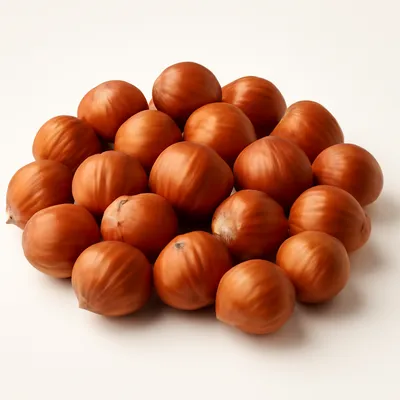
A Piedmontese risotto built on a soffritto of onion in butter, the rice toasted then cooked ladle by ladle in hot broth and finished — mantecato — off the heat with crumbled Castelmagno DOP. Unlike Risotto alla Milanese, it carries no saffron: the colour and character come entirely from the cheese, a sharp, faintly blue cow's-milk cheese from the Grana valley above Cuneo melted into the starch. The result is pale ivory and creamy, served all'onda — loose enough to flow in a wave when the plate is tilted. It is traditionally finished with a drizzle of honey or a scatter of toasted hazelnuts or walnuts, the classic Piedmontese partners to the cheese.





The dish is a Piedmontese way of showcasing Castelmagno DOP, one of the region's most prized cheeses, made in only three communes — Castelmagno, Pradleves and Monterosso Grana — in the Valle Grana of Cuneo province. The cheese itself is very old: its earliest documented mention is an arbitration of 1277 concerning the use of mountain pastures, in which Castelmagno cheese was rendered as payment, a detail widely cited to show its value even then. It was granted Protected Designation of Origin (DOP/PDO) status in 1996 (EC Reg. 1263/96). The risotto is the natural local application of this cheese to the northern-Italian rice dish — the precise origin of the recipe is undocumented — and it stands apart from Risotto alla Milanese in using no saffron, letting the Castelmagno alone define it.
Each grain stays firm and al dente, bound in a glossy, flowing wave rather than a stiff mound. The Castelmagno reads sharp, salty and faintly funky, with the tang of an aged blue, and turns a little grainy as it melts into the rice. There is no saffron colour — the dish is pale ivory, the colour of the cheese itself. Black pepper cuts the richness; a thread of honey or a few toasted hazelnuts or walnuts add sweetness and crunch.
Use Carnaroli or Vialone Nano, not Arborio — both are higher in amylose, so the grains hold their shape and bite through long stirring. Toasting the rice in the soffritto firms the outside; the wine then deglazes and adds acidity. Broth is added in stages and stirred, which abrades the grains so amylopectin starch leaches out and thickens the liquid into a sauce around still-firm cores. The defining step is the mantecatura: off the heat, with the rice cooked al dente, cold butter and crumbled Castelmagno are beaten in vigorously to emulsify starch, fat and broth into the all'onda wave. Doing it off the heat matters most with a blue cheese — pushed much above roughly 70-80°C the cheese's fat and protein split, going oily and grainy instead of smooth, so the residual heat (well under boiling) just melts it without breaking the emulsion. If it sets stiff on the plate, it was overcooked or not beaten off-heat.
Variations
The most classic Piedmontese version finishes with a drizzle of honey (chestnut or acacia) or a scatter of chopped toasted hazelnuts or walnuts, playing the cheese's salt and tang against sweetness and crunch. A richer take deglazes with Barolo instead of white wine; some add pears, whose sweetness echoes the honey. The same pairing carries over to gnocchi al Castelmagno, a sibling dish where the cheese is melted into a sauce for potato gnocchi. It contrasts with Risotto alla Milanese, which is defined by saffron and Parmigiano, and with other cheese risottos (Gorgonzola, taleggio, fontina), each of which brings its own melt and tang.
On the Palate
Where Risotto al Castelmagno sits in the Italian flavor cloud
Ingredients
Serves 4

How it's made
6 steps · 10 min
- 18 min
Keep the beef or vegetable broth at a gentle simmer in a separate pot. Soften the finely chopped onion in butter over medium-low heat until translucent but not coloured, about 6-8 minutes.
- 23 min
Add the Carnaroli rice and toast it in the soffritto, stirring, for 2-3 minutes until the grains are hot and the edges look glassy.
- 32 min
Pour in the white wine and stir until it has evaporated and the raw-alcohol smell is gone.
- 417 min
Add the hot broth one ladle at a time, stirring often and adding more only as each addition is absorbed, until the rice is creamy outside but al dente at the core, about 16-18 minutes.
Watch outAdd broth a ladle at a time, stirring, until creamy outside but al dente at the core — the stirring frees the starch that thickens the sauce; drown it all at once and it steams to mush.
- 53 min
Take the pan off the heat. Add the cold butter and the crumbled Castelmagno and beat vigorously (mantecatura) until the cheese melts and the risotto turns glossy and flows in a wave; season with black pepper.
Watch outOff the heat, beat in cold butter and cheese vigorously until it flows in a wave — this mantecatura emulsifies it all'onda; do it on the flame and the fat splits out oily.
- 62 min
Let it rest 1-2 minutes, then serve all'onda, finishing each plate with a thread of honey or a scatter of toasted hazelnuts or walnuts.
Archive tool suggestions — not reviewed
These legacy suggestions have not been evidence-reviewed and are not presented as required tools.


