
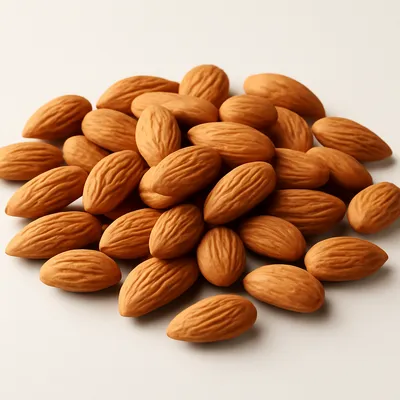
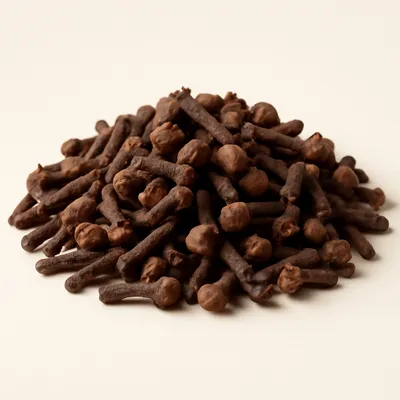
Siena's dense, flat spiced cake, eaten above all at Christmas. Candied fruit — citron, orange, sometimes melon — and toasted almonds are bound with a little flour and a heavy hit of warm spices (cinnamon, cloves, nutmeg, coriander, pepper, a mix that recalls the medieval spice trade), held together by honey and sugar cooked to a syrup. The mixture is pressed thin into a round, baked gently on a base of edible wafer, and finished with a dusting of icing sugar — the pale 'panforte Margherita' — or, in the older, darker 'panpepato', with a pepper-darkened top. It is more confection than cake: barely a centimetre or two thick, chewy, and intensely sweet. Panforte di Siena holds a European Protected Geographical Indication (PGI).


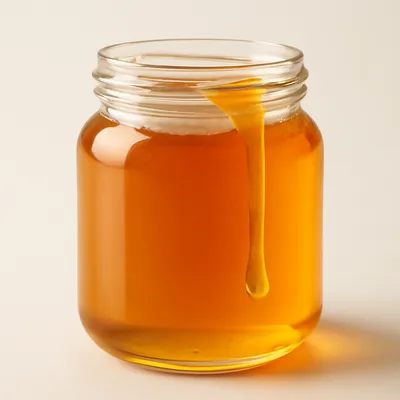


Panforte is Sienese, and its lineage reaches back to the medieval period. A parchment dated 7 February 1205, held in the Siena state archives, records that the people of the monastery of Montecellesi (today Montecelso), near Siena, owed the nuns a quantity of «panes pepatos et melatos» — breads with pepper and honey — as a kind of tax; these peppered, honeyed loaves are taken as the ancestor of panforte. It was a product of apothecaries and monastery kitchens, the few who had access to the costly imported spices, and the heavy spicing reflects Siena's place on the medieval spice routes. The name is read as «pane forte» — 'strong bread', from Latin «fortis» — usually explained by the sharp, peppery spicing (the Sienese first called it panpepato, 'peppered bread'); the dense, keeping quality of the loaf is also cited. The pale, more lightly spiced 'panforte Margherita', dusted with vanilla sugar instead of a dark pepper top, is said to have been created for Queen Margherita of Savoy's 1879 visit to Siena and named in her honour. «Panforte di Siena» was registered as a European Protected Geographical Indication (PGI) in 2013.
Very dense and very flat — barely a centimetre or two thick — and chewy to sticky, with whole toasted almonds and chunks of candied citron and orange set right through it. It is intensely sweet, and the sweetness is warmed and complicated by spice: cinnamon and clove up front, a faint heat of pepper behind. A snowy coat of icing sugar sits on top of the Margherita type; the older panpepato is darker and more peppery. It is cut into thin wedges, like a flat round of nougat, and a little goes a long way — usually with coffee, a dessert wine, or a digestivo.
Panforte is set by sugar, not by rising. Honey and sugar are cooked together to soft-ball stage, around 115°C: this is what fixes the dense, even chew once the cake cools. Stop short of it and the syrup never concentrates enough — the panforte stays loose and sticky; push past it toward hard-ball and the sugar dries too far, so the cake cools hard and brittle. The hot syrup is folded fast into the fruit, nuts and a small amount of flour — the flour only binds, since this is mostly fruit, nuts and syrup rather than a leavened batter, so there is no rise and the slab stays flat and tight. The toasted almonds add structure and flavour, and the gentle bake mainly sets and dries the mass rather than browning it. The combination of very high sugar and very low moisture is also what lets panforte keep for weeks or months — a property prized when it was made — and a base layer of edible wafer (ostia) stops the sticky underside from gluing itself to the pan.
Variations
The two main forms are the pale panforte Margherita — lighter on spice, scented with vanilla and citrus, dusted white with icing sugar — and the older, darker panpepato, more heavily peppered and spiced; some modern panpepato adds cocoa or chocolate, and chocolate panforte (panforte nero) is now common. Recipes vary the candied fruit (citron, orange, melon) and the nut (almond, sometimes hazelnut). The cake is tied above all to Siena and to Christmas, when it is everywhere in the city. The name «Panforte di Siena» is protected as a European PGI, with a specification that sets the recipe and requires sealed packaging to keep the cake from drying out.
On the Palate
Where Panforte sits in the Italian flavor cloud
Ingredients
Serves 12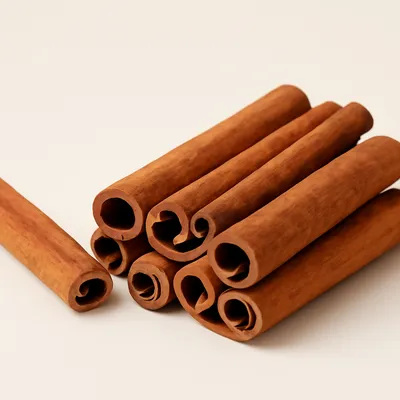

How it's made
8 steps · 25 min
- 110 min
Toast the whole almonds in a low oven until fragrant and lightly coloured, then let them cool.
- 28 min
Chop the candied citron and orange peel and combine with the almonds, the flour and the ground spices — cinnamon, cloves, nutmeg, coriander and a little pepper — tossing until the dry mix is evenly coated.
- 34 min
Line a shallow round tin with edible wafer (or buttered baking paper) to stop the cake sticking.
- 48 min
Cook the honey and sugar together in a heavy pan to soft-ball stage, about 115°C on a sugar thermometer.
Watch outCook the honey and sugar to soft-ball, about one hundred fifteen degrees — stop short and it stays sticky and loose, go past and it cools hard and brittle.
- 53 min
Pour the hot syrup over the fruit-and-nut mixture and fold it in quickly before it stiffens, working fast while it is hot.
Watch outFold the hot syrup into the fruit and nuts fast, before it stiffens — dawdle and it seizes and you can't spread it into an even layer.
- 64 min
Tip the mixture into the lined tin and press it down firmly into an even layer only a centimetre or two thick.
- 738 min
Bake gently at about 150°C for 30 to 40 minutes — it stays soft in the tin and firms up as it cools.
- 825 min
Cool completely in the tin, turn out, and dust the top thickly with icing sugar before cutting into thin wedges.
Archive tool suggestions — not reviewed
These legacy suggestions have not been evidence-reviewed and are not presented as required tools.


