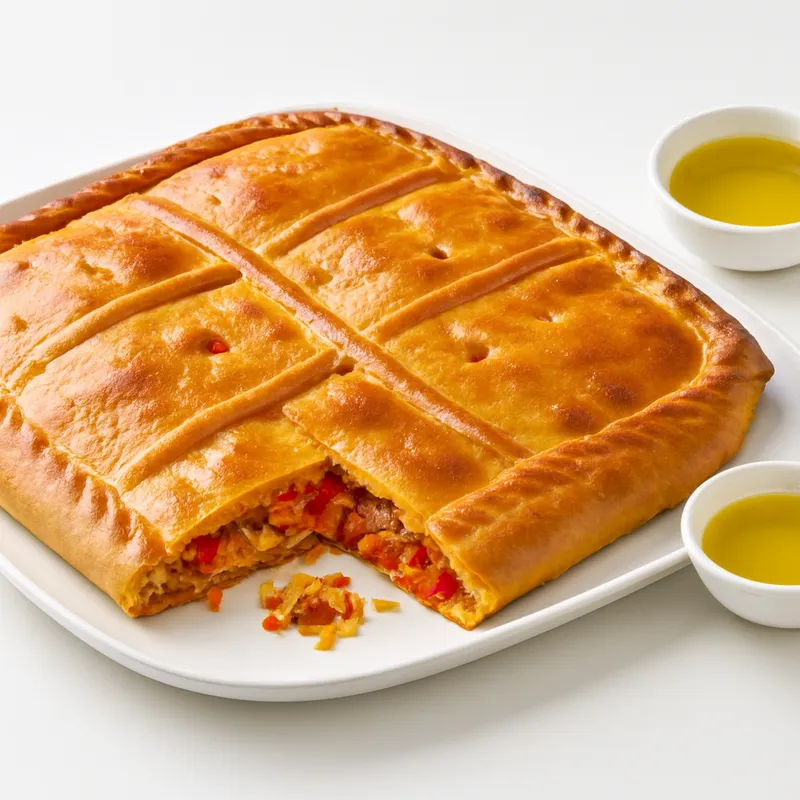
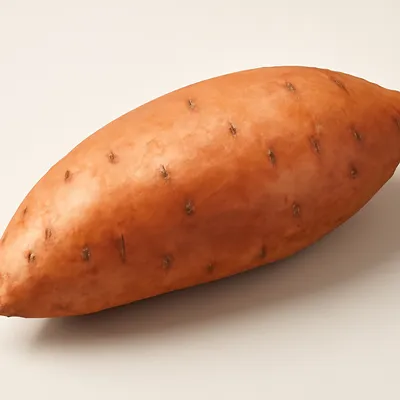
Panellets are small round marzipan sweets from Catalonia, built on a dough of ground almonds and sugar bound with egg, with home recipes often stretching the paste with a little cooked potato or sweet potato. The classic version, panellets de pinyons, is rolled in pine nuts, brushed with beaten egg, and baked until golden. Other versions are flavoured with coconut, coffee, chocolate, or quince. They are the defining sweet of All Saints' Day and la Castanyada (31 October-1 November) in Catalonia and the wider Catalan-speaking lands, eaten alongside roasted chestnuts and sweet potatoes and washed down with sweet moscatell wine. Each piece is roughly bite-sized, weighing around 20 grams.
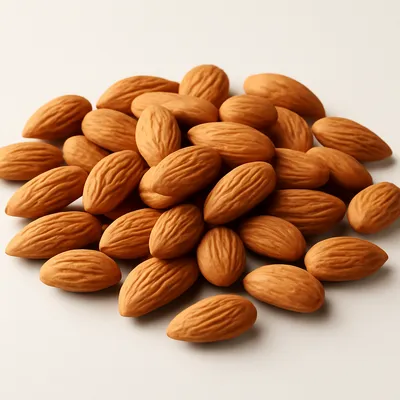


Panellets are documented at least from the 18th century, when they appear as blessed food shared after certain religious celebrations, and they became fixed to the eve and day of All Saints (Tots Sants) and la Castanyada in Catalonia, Andorra, Ibiza, and the Valencian Community. The sweet belongs to the broad family of Iberian marzipan confections; its spread is generally linked to almonds being a cheap local crop while sugar grew more affordable as Catalan ports opened to Atlantic trade. The exact early origin is unrecorded, but the All Saints' association is often tied to 18th-century funeral and vigil fare, the dense almond-and-sugar sweets serving as sustenance through the long night of remembrance. The name is generally understood as a Catalan diminutive meaning roughly "little breads." In 2007 the European Union granted panellets Traditional Speciality Guaranteed status, defining the protected sweet by a marzipan base of almonds, sugar, and egg.
The bite is dense, moist, and intensely almond, the marzipan paste soft and just short of chewy at the centre. The pine-nut shell adds a toasted, faintly resinous crunch against the smooth interior, while the egg-glazed surface bakes to a thin golden crust. Sweetness is forward but tempered by the almond's faint bitterness and a lift of lemon zest.
Marzipan is simply ground almonds and sugar, with the almond's oils and the sugar creating a pliable paste that egg white binds and tightens. In the everyday home version, a little boiled, mashed potato or sweet potato stretches the costly almond, holds water so the centre stays moist, and improves bindability without adding much flavour, though the EU-protected formula excludes potato and starches. A brush of beaten egg supplies protein and sugars for Maillard browning, giving the thin golden crust. The bake is deliberately short and fairly hot, around 180 degrees Celsius for roughly ten to twelve minutes, just long enough to toast the pine nuts and set the surface while the high sugar and almond fat keep the interior soft rather than drying it out.
Variations
The classic is de pinyons, rolled in pine nuts; a related version swaps in slivered almonds. Flavoured versions are common: coconut (often grated coconut with carrot and sugar, sometimes without ground almonds), coffee, chocolate, and quince paste (membrillo). In Seville the pine-nut sweets are known as empinonados. The tradition spreads across the Catalan-speaking lands to Valencia, Andorra, and the Balearics, where panellets are eaten for All Saints' alongside chestnuts and sweet potatoes and served with sweet moscatell or mistela.
On the Palate
Where Panellets sits in the Spanish flavor cloud
Ingredients
Serves 8How it's made
7 steps · 1 hour
- 122 min
Boil one small potato or sweet potato whole until tender, about 20 minutes, then peel and mash smooth; let it cool.
- 210 min
In a bowl, combine the ground almonds and sugar with the lemon zest, then work in the cooled mashed potato and one egg white, kneading by hand into a dense, smooth, slightly shiny paste.
Watch outKnead the almond, sugar and mashed potato with the egg white into a dense, smooth, slightly shiny paste — under-kneaded it crumbles and won't roll into clean balls.
- 330 min
Cover the paste and rest it in the fridge for about 30 minutes so it firms up and is easier to shape.
- 48 min
Pinch off pieces of roughly 20 grams and roll each into a smooth ball between your palms.
- 510 min
Brush each ball lightly with beaten egg, then roll and press it in pine nuts until fully and evenly coated.
Watch outRoll and press each egg-brushed ball in pine nuts until fully and evenly coated — bare patches won't toast up and the nuts fall off in the oven.
- 612 min
Set the coated balls on a parchment-lined tray, brush the pine nuts with a little more beaten egg for shine, and bake at 180 degrees Celsius for 10 to 12 minutes until golden but still soft inside.
Watch outBake hot and short, about ten to twelve minutes, just to golden — the center should stay soft, so pull them before they dry out and harden.
- 75 min
Cool completely on a rack; serve at room temperature with sweet moscatell wine.
Archive tool suggestions — not reviewed
These legacy suggestions have not been evidence-reviewed and are not presented as required tools.