Despite its name ('big meatball'), this is a meatless Genoese baked loaf: boiled green beans and potatoes mashed together with egg, Parmigiano, and fresh marjoram, packed into a breadcrumb-coated pan, and marked across the top with a characteristic fork-drawn crosshatch grid before baking. Served in thick slices at room temperature — sold alongside farinata in Genoa's street-food shops. The fork grid is considered essential; without it, Genoese cooks say it is not truly authentic.



The polpettone genovese di fagiolini e patate is a meatless baked loaf rooted in Ligurian cucina povera: two cheap seasonal vegetables transformed by egg and aged cheese into a sliceable form substantial enough to serve as a meal. Historical Genoese market records document green beans traded under the dialect name pellandroni, attesting to their long presence in the city's food supply. The dish is sold today in the few surviving sciamadde alongside farinata and focaccia. The obligatory fork-drawn crosshatch pattern on the surface has acquired the status of an informal authenticity marker — Genoese cooks insist that without it the dish is not truly 'genovese.'
Soft, herb-fragrant interior — earthy from potato, lightly grassy from green beans, marjoram throughout — encased in a golden breadcrumb shell that snaps cleanly when cut. Best at room temperature, sliced thick.
Potato starch gelatinizes during boiling; when mashed hot, disrupted cells release amylose which forms a cohesive gel matrix as it cools. Green bean cellulose softens under heat but retains some fibrous structure, providing textural contrast within the uniform potato base. Beaten egg proteins coagulate at 65–70°C during baking, setting the loaf's shape and binding the vegetables. Breadcrumbs on the surface undergo Maillard browning above 140°C, forming the golden crust; the fork-drawn crosshatch grid increases surface area, promoting more even crust development and a higher ratio of crisp crust to soft interior.
Variations
Some recipes fold in a small amount of ricotta or prescinseua for a creamier interior. Zucchini or peas can partially replace the green beans in spring. A few versions add rehydrated dried mushrooms for extra savory depth.
On the Palate
Where Polpettone di Fagiolini e Patate sits in the Italian flavor cloud
Ingredients
Serves 4
How it's made
7 steps · 10 min
- 125 min
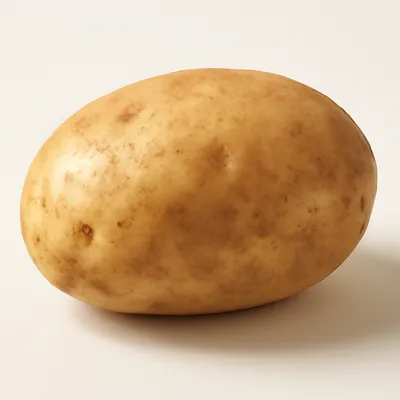
Peel and cut potatoes into large even chunks. Bring a large pot of generously salted water to a boil. Add potatoes and cook for 15 minutes, then add the trimmed green beans and continue cooking for a further 8–10 minutes until both vegetables are completely tender.
- 25 min
Drain thoroughly. Spread on a board and let steam off for 5 minutes to remove excess moisture. Mash the potatoes while still warm until smooth. Coarsely crush — do not purée — the green beans and fold them into the potato mash.
Watch outBoil until a knife slides through both with no resistance — undercooked potato won't mash smooth and the loaf stays lumpy.
- 35 min
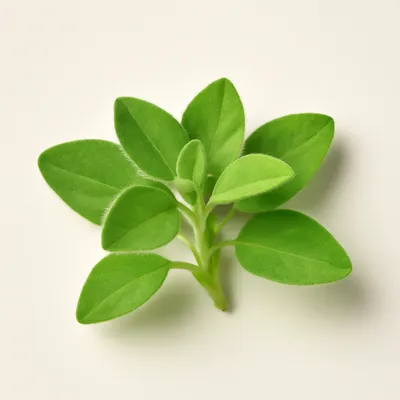
Allow the mash to cool to warm. Add 2 beaten eggs, 80 g grated Parmigiano, 2 tbsp finely minced fresh marjoram leaves, 2 tbsp olive oil, salt, and pepper. Mix firmly until the mixture is cohesive and holds its shape.
- 43 min
Preheat oven to 180°C. Brush a 20 × 30 cm baking dish generously with olive oil. Dust the base and sides evenly with a layer of fine breadcrumbs, shaking out any excess.
- 53 min
Spoon the vegetable mixture into the dish. Spread it evenly with damp hands or a wet spatula, pressing firmly so there are no air pockets. Smooth the surface flat.
Watch outPress the mixture in hard with wet hands so there are no air pockets — hidden gaps make the loaf crumble when you slice it.
- 63 min
Scatter a generous layer of breadcrumbs over the entire surface and drizzle lightly with olive oil. Using the tines of a fork, draw a regular crosshatch grid pattern across the whole top, pressing firmly.
- 725 min
Bake at 180°C for 25 minutes until the surface is deep golden and the crust is crisp. Cool in the pan for at least 20 minutes before cutting into thick slices or squares. Serve at room temperature.
Watch outBake until the top is deep gold and the fork-crosshatch has crisped — a pale surface means the crust hasn't set and it'll fall apart when cut.
Archive tool suggestions — not reviewed
These legacy suggestions have not been evidence-reviewed and are not presented as required tools.


