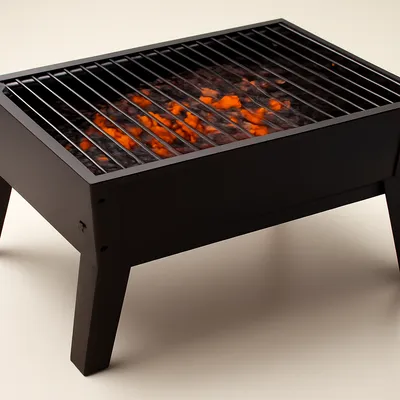
Coarsely minced pork and beef from the Belluno Dolomites, kneaded with a family-secret spice infusion called conza — white wine, garlic and aromatic spices — then pressed without any casing into a thick patty and grilled on a cast-iron griddle. Served with soft yellow polenta, or eaten raw on crusty bread, or at summer mountain festivals in a bread roll with melted cheese.
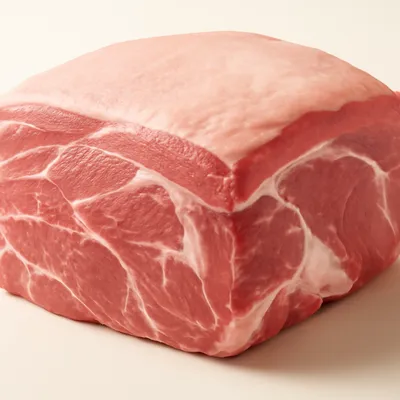
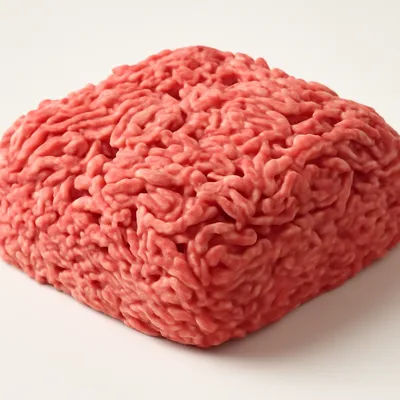
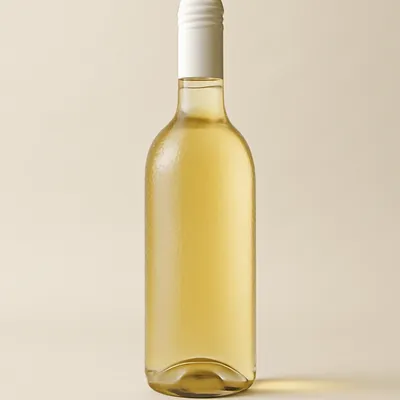



Pastin (Bellunese dialect) traces to the medieval midwinter pig-slaughter tradition of the Belluno Dolomites — the becaria — when offcuts and scraps that could not be cured whole were seasoned with wine, garlic and spices and eaten fresh. Documentary sources place the practice no later than the Middle Ages. The tradition is shared across five mountain valleys: Val di Zoldo, Agordino, Alpago, Valbelluna and Feltrino, each guarding its own conza formula. Pastin bears recognition as a traditional agrifood product of Veneto (PAT), carries the quality mark of the Dolomiti Bellunesi National Park, and was included by Gambero Rosso among Italy's hundred most suculent food excellences.
A crackling charred crust yields to a coarse, juicy interior; the conza spices unfold in layers — white-wine brightness first, then garlic's sweet warmth, then the deep rumble of mixed spice; against polenta's starchy softness, the fat richness settles into something earthy and balanced.
The coarse grind preserves large fat pockets; as the cast-iron griddle reaches 150–180°C, these fats render outward, basting the crust from within while Maillard reactions between meat amino acids and reducing sugars generate the pyrazines, aldehydes and furans of the charred exterior. White wine in the conza carries tartaric and acetic acids that partially denature surface proteins during the marination, reducing grid-contraction and helping retain interior juiciness. Allicin from garlic degrades under heat into diallyl sulphides and other sweet-smelling volatile sulphur compounds. The absence of a casing lets fat migrate freely to the surface, producing the characteristic crust-to-juicy-core gradient that a sausage's tight skin would prevent.
Variations
Raw variant: freshly mixed pastin spread on crusty country bread with a thread of olive oil — the classic merenda of the Belluno valleys. Summer festival (sagra) version: grilled patty in a soft bread roll with melted local cheese, the defining street food of the Dolomiti Bellunesi. Some families substitute red wine for white in the conza, deepening the colour and base note. The Alpago valley conza characteristically includes rosemary and cloves alongside the standard spices.
On the Palate
Where Pastin sits in the Italian flavor cloud
Ingredients
Serves 4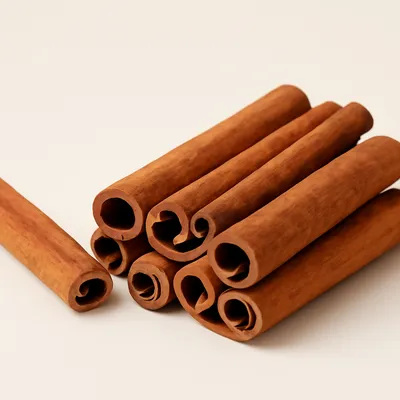
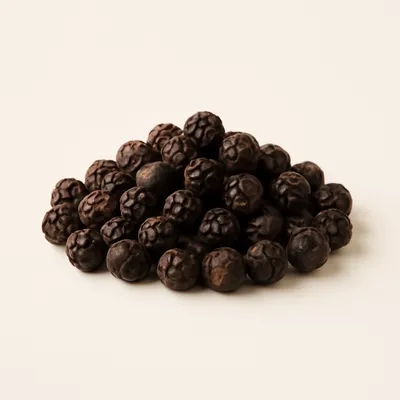
How it's made
7 steps · 30 min active + 2 hours waiting
- 130 min
Prepare the conza: finely mince 3 garlic cloves and combine with 80ml dry white wine, 1 tsp fine salt, a generous pinch of coarsely ground black pepper, a pinch each of ground cinnamon and nutmeg, and 1 sprig of fresh rosemary; leave to steep for 30 minutes.
- 25 min
Combine 300g coarsely ground pork shoulder and 200g coarsely ground beef in a large bowl, keeping the texture chunky.
- 3120 min
Pour the conza over the meat and knead by hand for 3–4 minutes until the liquid is fully absorbed and the spices are evenly distributed. Cover and refrigerate for at least 2 hours.
Watch outKnead only until the wine is fully absorbed and no liquid weeps out — over-working the coarse meat packs it dense and you lose the loose, juicy bite.
- 410 min
Remove the meat from the refrigerator 20 minutes before grilling; divide into 4 equal portions and press each firmly into a thick round patty about 2cm in height without any casing.
- 510 min
Heat a heavy cast-iron griddle over high heat until smoking hot; place patties and grill for 4–5 minutes per side without moving them, until a deep charred crust forms and the internal temperature reaches 70℃.
Watch outDon't move the patty until a deep crust forms and it releases on its own — pushing it early tears the crust and it sticks.
- 640 min
While the patties grill, bring 1 litre of well-salted water to a vigorous boil; pour in 200g fine yellow cornmeal in a steady stream, reduce heat and stir constantly for 35–40 minutes until thick, smooth and pulling from the sides of the pot.
Watch outStir the polenta constantly and cook it until it pulls from the pot sides — that clean pull means the cornmeal is cooked through, not raw and gritty.
- 75 min
Plate a generous mound of polenta alongside one or two grilled patties; alternatively, serve the pastin on a plank of crusty bread with a drizzle of olive oil and a small green salad.
Archive tool suggestions — not reviewed
These legacy suggestions have not been evidence-reviewed and are not presented as required tools.