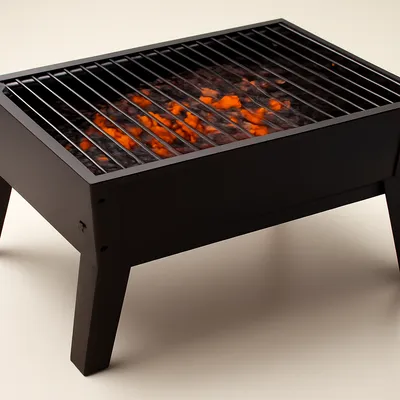
A charcoal-grilled kebab from the Caspian provinces of Gilan and Mazandaran, where "torsh" means sour. Cubes of beef fillet are marinated for hours in a dark paste of ground walnuts, pomegranate molasses, garlic, and fresh herbs — sometimes sharpened further with naranj (bitter-orange) juice — then threaded on flat skewers and grilled over coals. The result is tangy, herbal, and faintly sweet, with a smoky char, a world away from the salt-and-onion koobideh and barg kebabs of inland Iran. It is eaten with kateh rice or folded into lavash bread.



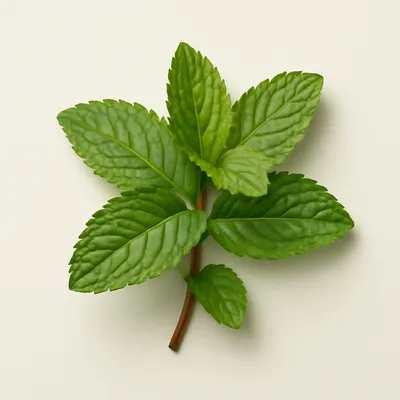
Kabab torsh ("sour kebab") belongs to Iran's humid Caspian littoral — the provinces of Gilan and Mazandaran — rather than to the dry interior that gave the world koobideh and barg. Its defining marinade of walnut and pomegranate is a signature of Gilani cooking, where both the trees and the fruit grow in abundance; the same sour, nutty pairing drives the region's fesenjan and its eggplant relishes. As a regional folk kebab it carries no single inventor or fixed date, and its precise origin is not documented. What marks it as Caspian rather than Persian-interior is the whole sour-herb-garlic-walnut-smoke vocabulary, shaped by a near-Mediterranean climate and centuries of exchange with the Caucasus and Turkic neighbors to the north and west. Traditional recipes call for chochaagh (a local eryngo-family herb that grows only in the northern provinces), which is part of what gives the dish its regional stamp.
Dark-crusted cubes of beef, charred at the edges and glistening with the walnut-pomegranate paste baked onto them. The first taste is sour and fruity from the pomegranate, then the round oiliness of walnut, then garlic and grilled-meat smoke. The herbs read green underneath, the char reads bittersweet, and a squeeze of naranj at the table lifts the whole skewer. The meat stays juicy where koobideh would dry, because the acid and nut oil have worked into it overnight.
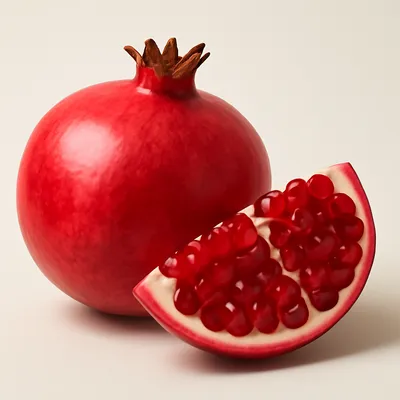
The marinade does double duty. Pomegranate molasses is strongly acidic — rich in citric and malic acids, with a pH around 2 to 3 — and that low pH loosens the surface proteins of the beef, helping the lean fillet hold moisture and take on flavor over a long, slow marinate; the long soak (overnight to a full day) matters because the acid penetrates only slowly. Ground walnuts contribute fat and emulsifiers that coat the meat and carry fat-soluble aromatics, while their tannins add astringency that reads as part of the "sour" profile. Over hot charcoal the sugars in the pomegranate and the proteins of the beef drive the Maillard reaction and some caramelization, building the dark, bittersweet crust; the same coals add smoke. Flat skewers are used so the cubes sit flush and sear evenly, and the meat is grilled fast so the inside stays pink and juicy rather than drying out like a long-cooked kebab.
Variations
Recipes split between Gilan and Mazandaran and between towns: Rasht cooks lean hard on walnut and pomegranate, some Mazandarani versions add more naranj (bitter-orange) juice for sharpness. The herb mix varies — chochaagh where it can be found, otherwise parsley, mint, and basil — and the walnut quantity ranges from a light scatter to a thick paste. Beef fillet is traditional, but lamb is common and chicken has become a modern option. Some households finish the skewers with a basting of pomegranate molasses for a glossier, more sour crust.
On the Palate
Where Kabab Torsh sits in the Persian flavor cloud
Ingredients
Serves 4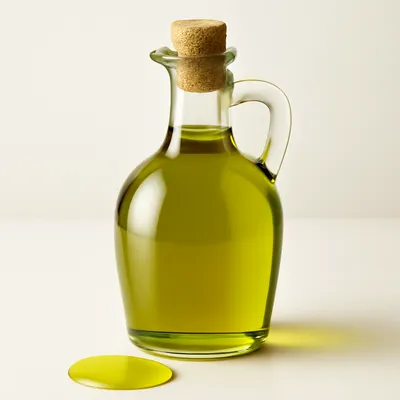

How it's made
8 steps · 30 min
- 18 min
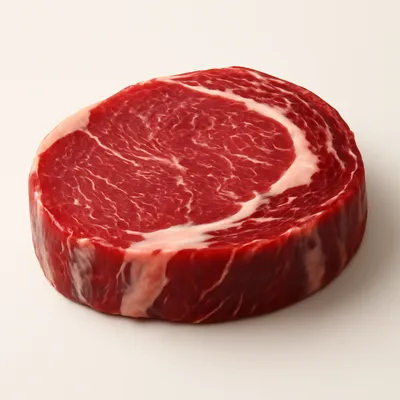
Cut beef fillet into 1.5-inch cubes and place in a non-reactive bowl.
- 210 min
Grind walnuts fine and mix with pomegranate molasses, crushed garlic, minced fresh herbs, olive oil, and salt into a dark paste; loosen with a little naranj juice or water if needed.
- 3720 min
Coat the beef thoroughly in the paste, cover, and marinate in the refrigerator overnight or up to 24 hours.
Watch outThe paste should cling as a thick, dark coat that stays put; if it slides off, beat in another spoon of ground walnut before the fridge.
- 415 min
Light a charcoal grill and let the coals burn down to an even, ashed-over heat.
- 58 min
Thread the marinated cubes snugly onto flat metal skewers, wiping off excess paste so it does not burn.
- 612 min
Grill over the hot coals, turning every few minutes, about 8 to 12 minutes total, until charred outside and just cooked through.
Watch outPull the skewers the moment the edges char and a poke runs clear; lean beef fillet goes dry fast past that.
- 72 min
Optionally baste with extra pomegranate molasses in the last minute for a glossier, more sour crust.
- 85 min
Rest briefly, then serve with kateh rice or in warm lavash, with a wedge of naranj or lime.
Archive tool suggestions — not reviewed
These legacy suggestions have not been evidence-reviewed and are not presented as required tools.