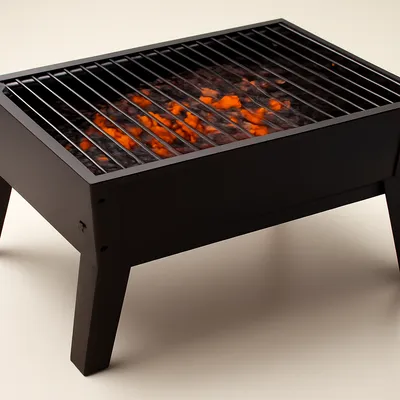
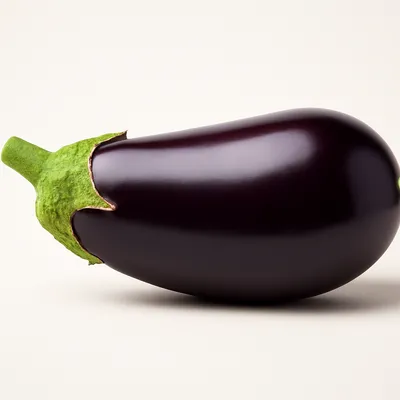
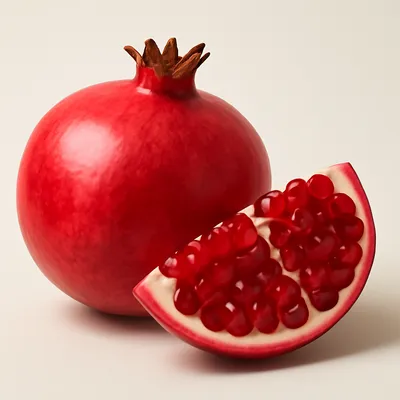
A smoky Gilani side built on whole eggplant charred over open flame until the skin blackens, then mashed with raw garlic, fresh herbs, and pomegranate. Despite "kabab" in the name, no meat is involved — the word points to the fire-roasting, not to a skewer of beef. Walnuts often go in too, in the walnut-and-pomegranate idiom of the Caspian coast, and the whole thing is served cold or at room temperature as a relish alongside rice, fish, or chicken. Garlic-and-herb forward and openly sour, it sits apart from mirza ghasemi, which is bound with egg and tomato; kal kabab is simpler, smokier, and tarter.



Kal kabab comes from Gilan on Iran's Caspian coast, a humid, near-Mediterranean province whose cooking turns on smoke, garlic, walnut, and pomegranate rather than the saffron-and-rosewater register of the interior. The name is read locally as something like "a kabab that needs no cooking" — that is, a charred dish assembled cold rather than grilled meat — though as a regional folk preparation it carries no single inventor or documented date, and its precise origin is not recorded. It belongs to the same Gilani family as mirza ghasemi and the eggplant relishes of Rasht, all of which begin with fire-blackened eggplant; what sets kal kabab apart is that it skips the egg and the tomato that define mirza ghasemi and leans instead on raw garlic, herbs, and the sour-sweet of pomegranate and walnut. The reliance on walnut and pomegranate reflects a terroir where both grow in quantity.
A coarse, ash-grey mash flecked green with herbs and studded with ruby pomegranate seeds, smelling of smoke before it reaches the table. The texture is soft and a little stringy from the eggplant, the taste smoky and tart, with raw garlic landing sharp and hot at the back. Pomegranate gives bright sour pops, walnut a soft oily weight underneath. Eaten cold off bread, it is pungent and clean, the smoke and garlic carrying furthest.
Everything depends on charring the eggplant whole over direct flame — gas burner, charcoal, or broiler — until the skin blackens and splits and the flesh collapses; boiled or microwaved eggplant gives a flat, grey result with none of the smoke, because the smoke note comes from compounds formed only when the skin actually burns. Once charred, the flesh is scooped out and pressed or drained to lose its bitter, watery juice, which is what keeps the mash from turning sloppy. The garlic is added raw and cold, never cooked into the dish, so its allicin — formed when the clove is crushed and quick to break down with heat — survives at full pungency; that raw sharpness against the smoke is the point. Pomegranate molasses or fresh seeds bring the acidity, and ground walnut folds in fat and body. Because nothing is cooked after assembly, the dish is sharp and fresh rather than mellow.
Variations
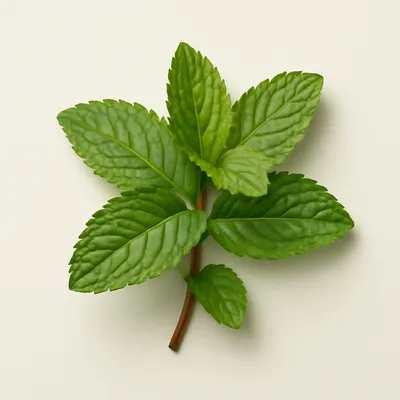
The clearest split is with or without pomegranate: many Rasht cooks make it sour and fruity with pomegranate molasses and fresh seeds, while plainer versions stay closer to a smoky garlic-and-herb mash. Walnut is common but not universal — some keep it lean and eggplant-forward. The herbs shift with what is on hand: chochaagh or khalvash where they grow, otherwise mint and parsley, often finished with golpar (Persian hogweed). A little olive oil is sometimes worked in for richness, and the garlic can be dialed from a single clove to a fierce amount.
On the Palate
Where Kal Kabab sits in the Persian flavor cloud
Ingredients
Serves 4
How it's made
8 steps · 15 min
- 118 min
Prick the eggplants in a few places and char them whole over an open flame or under a broiler, turning, until the skin is blackened all over and the flesh is fully soft.
Watch outChar the eggplant right on the flame until the skin is blistered-black all over and it slumps soft — that burnt skin is where the smoke flavor comes from, so don't stop at merely soft.
- 25 min
Let the eggplants cool enough to handle, then peel away the burnt skin.
- 35 min
Scoop out the flesh and press or drain it in a sieve to remove the bitter, watery juice.
Watch outPress the flesh in a sieve until it stops dripping — leftover watery juice is what turns the mash sloppy and keeps it tasting bitter.
- 43 min
Mash the drained flesh coarsely with a fork or by hand.
- 54 min
Crush the raw garlic with a little salt and fold it into the cooled eggplant, along with chopped fresh herbs.
Watch outFold the raw crushed garlic into cooled eggplant, not hot — heat kills its sharp bite, and that fresh punch is the whole point.
- 64 min
Stir in pomegranate molasses or fresh pomegranate seeds and the ground walnuts, tasting for sour-salt balance.
- 72 min
Finish with a dusting of golpar and a little olive oil if using; do not cook further.
- 82 min
Serve at room temperature or chilled, as a relish with bread, rice, fish, or chicken.
Archive tool suggestions — not reviewed
These legacy suggestions have not been evidence-reviewed and are not presented as required tools.