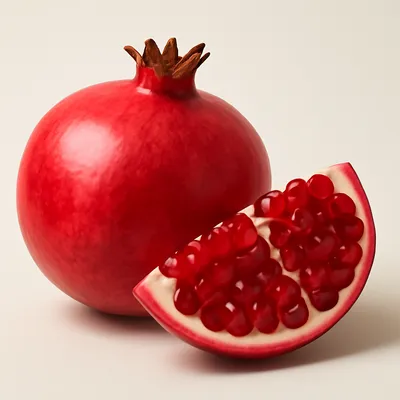
Ruby-seeded fruit with sweet-tart complexity from ellagitannins; jewel of Persian and Indian cuisines.
Where it comes from
An ancient fruit cultivated in the Mediterranean and the Middle East, pomegranates have been celebrated for their health benefits and symbolic significance in various cultures since biblical times.
In the kitchen
Pomegranate seeds are used as a bright topping for salads, desserts, or as a base for sauces, adding both a pop of color and a refreshing acidity that contrasts beautifully with rich flavors.
Across cuisines
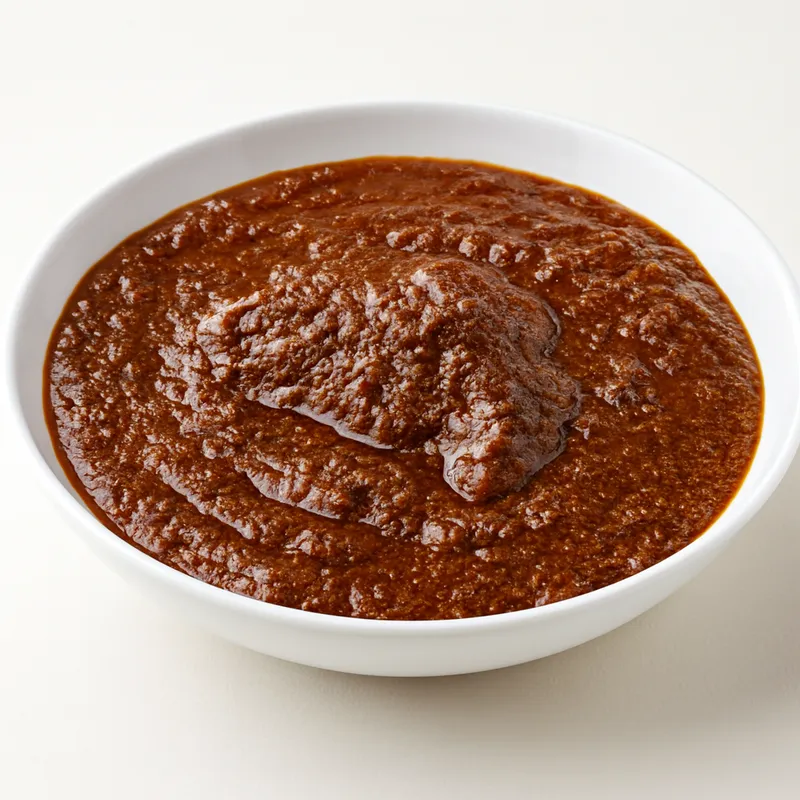
In Persian cuisine, pomegranate is essential, often used in the form of pomegranate molasses. This thick, tangy syrup is a key ingredient in dishes like Fesenjan, where it provides a sweet and sour balance to rich, savory stews. The fruit itself may also be used fresh as a garnish or in salads.
Georgian cuisine uses pomegranate seeds to provide a burst of flavor contrast in dishes like Pkhali. The seeds add a tart and juicy element that complements the earthy flavors of the walnut and vegetable paste. This use of pomegranate highlights the balance between sweet, sour, and savory in Georgian food.
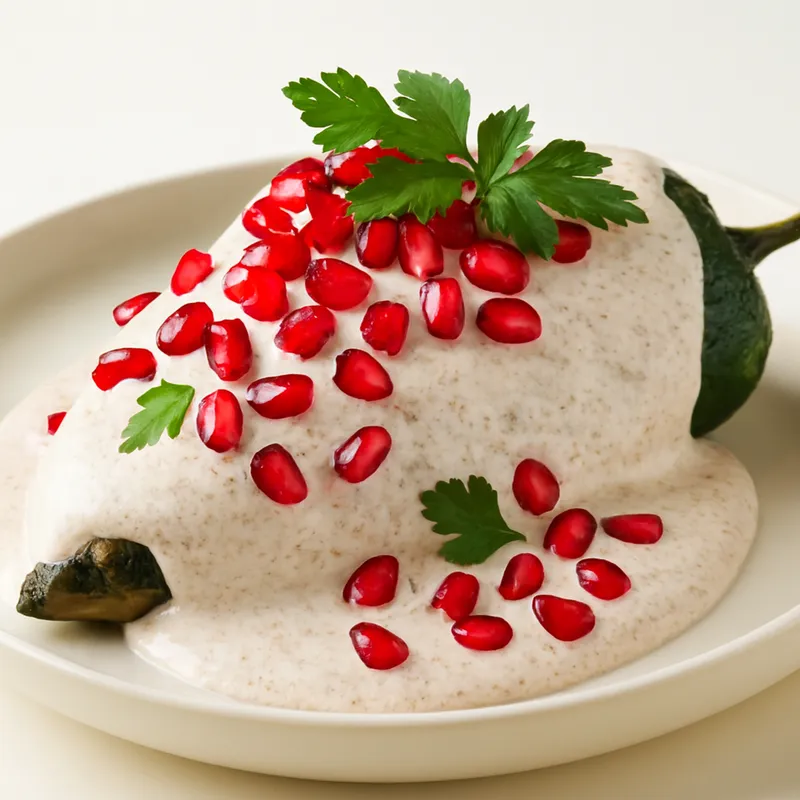
In Mexican cuisine, pomegranate seeds are primarily used as a garnish, notably in Chiles en Nogada. The bright red seeds are sprinkled over the creamy walnut sauce, providing a striking visual contrast and a burst of tart flavor. This use emphasizes the dish's patriotic color scheme and adds a refreshing note.
Nutrition (per 100g)
FoodB-derived; record mapping unavailable.
Pairs well with