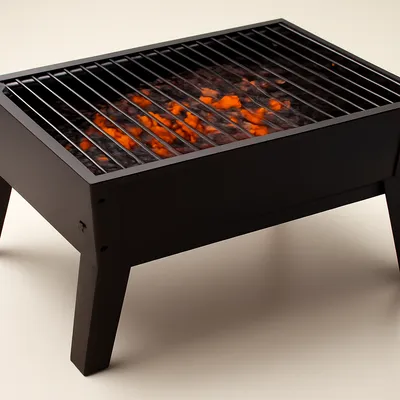
Thin strips of pork shoulder marinated in soy sauce, banana ketchup, calamansi, brown sugar, garlic, and a splash of lemon-lime soda, then threaded onto slim bamboo skewers and grilled over charcoal while being basted with the reserved marinade. The finish is sweet-savory and sticky, the edges lacquered and charred, eaten hot off the coals with a spiced vinegar dip and rice or puso. It is one of the most common sights at any roadside ihaw-ihaw grill, fiesta, or backyard gathering across the islands, sold by the stick. It differs from inihaw na liempo, which grills whole slabs of belly rather than skewered strips.





Filipino pork barbecue on a stick has no single inventor; it is a street-and-fiesta tradition, the everyday output of roadside grills and home gatherings rather than a documented restaurant dish. What gives the modern version its identity are two distinctly Filipino pantry items: banana ketchup and soda. Banana ketchup, a sweet sauce of saba banana, vinegar, sugar, and spices dyed red, is widely credited to food chemist Maria Orosa, who developed it in the Philippines in the 1930s as a local substitute when imported tomato ketchup grew scarce around the onset of World War II; it was being mass-produced by 1942. Carbonated lemon-lime soda became a popular marinade addition for its sugar and mild acidity. Together with soy sauce and calamansi, they define the sweet, sticky profile that sets Filipino-style barbecue apart from its neighbors.
You bite through a sticky, slightly charred crust into juicy pork; the first taste is sweet and faintly fruity from the banana ketchup and soda, then the soy-and-garlic savor lands, with smoke from the coals threaded throughout. A dunk in the sharp spiced vinegar cuts the sweetness and resets the palate for the next stick.
Thin strips are the whole trick: cut against the grain and no thicker than a finger, they cook through in minutes before the lean meat dries out, while maximizing the surface that browns. Over the coals two reactions run at once. The Maillard reaction between the meat's proteins and the sugars in the glaze builds the savory, roasted notes, while the brown sugar and banana ketchup caramelize into the sticky, dark lacquer. The soda and calamansi contribute sugar for that browning and a mild acid that helps tenderize the surface and loosen proteins. Basting is what builds the coating in layers — each brush of marinade dries and concentrates on the hot meat, so the lacquer thickens with every turn. Charcoal adds smoke compounds the meat absorbs; the trade-off is sugar's low scorch point, so the skewers ride the cooler edge of the fire and are turned often to char without burning bitter.
Variations
Chicken (BBQ na manok) and chicken-intestine skewers (isaw) run from the same grills with the same marinade. Some cooks add a knob of pork fat to the tip of each skewer to baste the meat as it renders, or thread in fat between lean pieces. Marinade ratios are personal: more banana ketchup for sweeter, redder sticks; 7-Up versus Sprite versus a splash of beer; pineapple juice or extra calamansi for tang. The dipping sauce varies too, from plain cane vinegar with chili and onion to a soy-vinegar-calamansi blend.
On the Palate
Where Pork Barbecue sits in the Filipino flavor cloud
Ingredients
Serves 6
How it's made
8 steps · 40 min
- 110 min
Slice pork shoulder against the grain into thin strips no thicker than a finger, about 5 cm wide so they fold neatly onto the skewers.
Watch outCut the pork against the grain no thicker than a finger — thin strips cook through before the lean dries out and give the most surface to char.
- 25 min
Whisk the marinade: soy sauce, banana ketchup, crushed garlic, brown sugar, calamansi juice, ground black pepper, and a splash of lemon-lime soda. Reserve about a third for basting.
- 3240 min
Toss the pork in the rest of the marinade, cover, and refrigerate at least 4 hours, ideally overnight.
- 430 min
Soak the bamboo skewers in water for 30 minutes so they do not burn, then thread the pork on in tight folds.
- 510 min
Light the charcoal and let it burn down to glowing embers with no open flame, raking it to one cooler side.
Watch outBurn the charcoal down to glowing embers with no open flame — the sugary glaze scorches instantly over live flame before the meat cooks.
- 68 min
Grill the skewers over moderate heat, turning every couple of minutes and basting with the reserved marinade each turn.
Watch outBaste with the reserved marinade at every turn — this is what builds the dark, sticky lacquer in layers; without it the surface stays pale.
- 74 min
Keep going until the pork is cooked through and lacquered dark with charred, sticky edges, about 10 to 12 minutes.
- 82 min
Rest a minute off the heat and serve hot with a spiced cane-vinegar dip and rice.
Archive tool suggestions — not reviewed
These legacy suggestions have not been evidence-reviewed and are not presented as required tools.