A traditional hot chocolate drink made with pure chocolate tablea, sugar, and milk, often served during festive occasions.

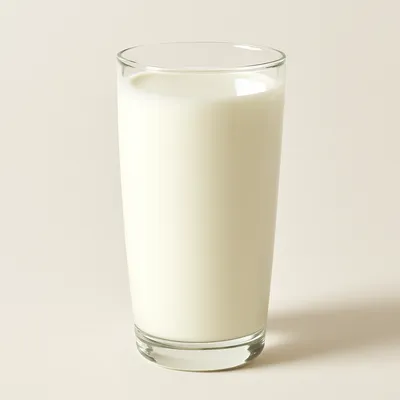
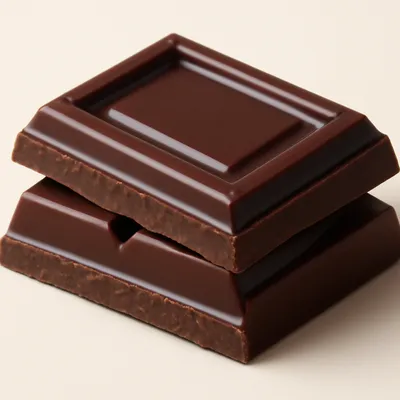


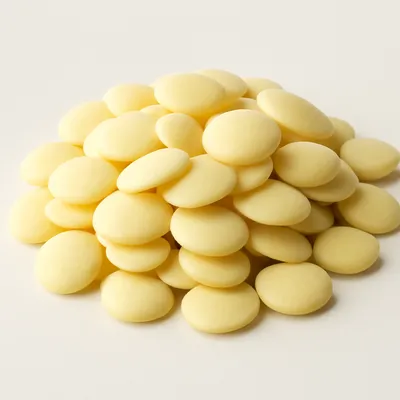
Cacao arrived in the Philippines around 1670 via the Manila-Acapulco galleon trade from Mexico — the same route that carried tomato, corn, and chili. By the 18th century cacao was grown across the southern islands and processed locally into tablea: roasted beans, ground, and pressed into discs without added cocoa butter, milk solids, or emulsifiers. The result is closer to Mesoamerican drinking chocolate than to European hot chocolate.
Cacao arrived around 1670 via the Manila-Acapulco galleon trade — same route as tomato and chili. Tablea is roasted ground cacao pressed into discs, no cocoa butter added; closer to Mesoamerican drinking chocolate than European hot chocolate. The wooden batirol whisk emulsifies the fat into foam.
A thick, dark-brown hot chocolate, foamed at the surface, served in a small cup. The chocolate tablets (tablea) are pure roasted cacao — gritty, bitter, no milk fat — melted in water with sugar and a splash of evaporated milk if desired. The texture is grainy on purpose; ground cacao nib never fully dissolves. Drunk during Simbang Gabi mornings, paired with bibingka or puto bumbong.
Tablea has roughly 50% cocoa butter still in solid form, which is why the drink needs a wooden batirol whisk — twirled between the palms to emulsify the fat into the water phase as foam. Without whisking, oil separates and pools on top. Modern blender versions over-emulsify and lose the layered texture; the slight settle and fresh re-foam between sips is part of the drink.
Variations
Sikwate is the Visayan name and runs thicker; champorado folds the same tablea into glutinous rice porridge for breakfast; Auro and Malagos chocolate makers (Davao) sell single-origin tablea today; Casa Marcos in Manila still serves the batirol-foamed version with bibingka.
On the Palate
Where Filipino Chocolate Tablea Drink sits in the Filipino flavor cloud
Whisk hard and constantly — tablea is half cocoa butter, and only vigorous whisking emulsifies that fat into the water so it foams instead of splitting into an oil slick on top.
Ingredients


How it's made
4 steps · 20 min
- 15 min
In a saucepan, combine water and sugar, stirring until the sugar dissolves completely. Bring the mixture to a gentle simmer over medium heat.
Watch outEnsure the mixture does not boil too vigorously, as it can cause the sugar to caramelize.
- 25 min
Add the chocolate tablets to the simmering water. Stir continuously until the chocolate melts completely, releasing its rich aroma into the air.
Watch outStir until every fleck of chocolate has melted and the pot smells deeply roasted; no solid bits should remain.
- 35 min
Slowly pour in the milk, stirring constantly to create a smooth, creamy blend. Heat until the drink is steaming but not boiling.
Watch outSteam should rise but no rolling boil — pour the milk in a thin stream, stirring the whole time.
- 45 min
Taste and adjust sweetness if needed. Pour into mugs and serve hot, enjoying the velvety texture and deep chocolate flavor.
Watch outServe while it's foaming; if it settles, a quick whisk brings the froth right back.
Archive tool suggestions — not reviewed
These legacy suggestions have not been evidence-reviewed and are not presented as required tools.

Hand-held wire loop tool for beating eggs, whipping cream, emulsifying dressings, and incorporating air into batters. Balloon whisks (large round head) for whipping cream and meringues; French whisks (narrow tear-drop) for sauces in pots; flat whisks (gravy) for pan sauces. Stainless steel is universal; silicone-coated for non-stick pans.

Round metal pot, 14-26 cm diameter, with vertical walls and a long handle, designed for sauces, soups, oatmeal, rice, boiled vegetables. The vertical walls minimize evaporation (vs. a sauté pan). Sizes: 1 qt for melting butter, 2-3 qt for sauces, 4 qt for soups. Stainless-steel-clad aluminum or copper is best for conduction; cast-iron is too thick for delicate sauces.