A Bicolano specialty of minced pork or flaked fish seasoned with chili, ginger, and aromatics, then wrapped in young taro (gabi) leaves, tied into neat parcels, and simmered slowly in coconut milk. The leaves are layered so the bundle holds together as it cooks down. Unlike laing, where the leaves are shredded into a mash, pinangat keeps each filled bundle intact, eaten whole over rice. It is closely associated with Camarines Sur, particularly the town of Camalig in Albay.

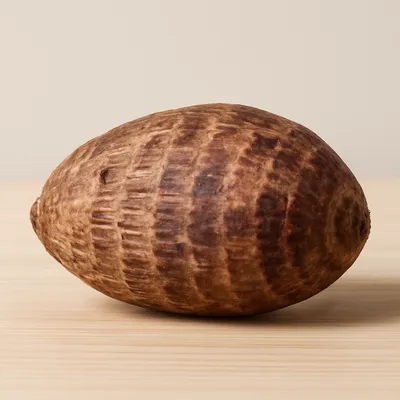




From the Bicol region of southeastern Luzon, where coconut and chili anchor the local table. The name comes from the Tagalog and Bicolano root that broadly describes food cooked wrapped in leaves, so several unrelated dishes across the Philippines share the word; the Bicolano taro-leaf-and-coconut version is the best known. In Bicol the wrapped bundles are a household and fiesta staple, and the dish is often distinguished from laing precisely by the intact parcel. Some Albay cooks treat pinangat and laing as a continuum rather than separate dishes.
A soft, spoon-tender bundle of taro leaves enclosing a moist chili-spiked filling, sitting in a pale, reduced coconut sauce slicked with oil. The leaf wrapper turns silky and yielding, never stringy; the filling stays juicy. Heat from the chili builds gently under the coconut richness. Cut into a parcel and the filling should hold its shape, not spill loose. Eaten over rice, the sauce spooned across.
Drying or wilting the taro leaves and the long, gentle simmer break down the calcium oxalate that makes fresh gabi leaves itch the throat, so thorough cooking is not optional here. The coconut milk is reduced undisturbed until the fat renders out and lightly coats the bundles, which both flavors and helps seal them. Tying the parcels keeps the filling compact so it cooks evenly and stays intact; a loose wrap lets the filling escape into the sauce.
Variations
Minced pork is common, but flaked freshwater or sea fish (and small shrimp) versions are widespread along the coast; some cooks fold a slice of pork fat or a whole chili inside each bundle. Camarines Sur cooks tend to run it spicier. A simpler home style skips the meat and fills the leaves with coconut, chili, and aromatics alone. Pinangat na isda elsewhere in the Philippines refers instead to fish soured in tamarind, an unrelated dish that shares the name.
On the Palate
Where Pinangat sits in the Filipino flavor cloud
Ingredients
Serves 4

How it's made
8 steps · 40 min
- 115 min
Wilt or briefly dry the taro leaves; reserve the largest whole leaves for wrapping and shred the rest.
Watch outWilt or dry the taro leaves first, and later cook them long — thorough cooking breaks down the calcium oxalate that makes raw gabi leaves itch the throat; this is not optional.
- 210 min
Mix minced pork (or flaked fish) with chopped ginger, garlic, onion, and chili, seasoning with shrimp paste or fish sauce.
- 320 min
Spoon the filling onto stacked taro leaves and fold into compact parcels, tying each with leaf stems or kitchen twine.
- 45 min
Lay the bundles snugly in a pot with the shredded leaves underneath and pour in coconut milk to nearly cover.
- 530 min
Bring to a gentle simmer and cook undisturbed, without stirring, so the coconut milk reduces and the leaves soften.
Watch outSimmer undisturbed without stirring so the coconut milk reduces and renders oil — stirring breaks the parcels open into the sauce.
- 610 min
Once the sauce has thickened and rendered some oil, tuck in whole chilies and adjust salt with shrimp paste.
- 710 min
Finish with a swirl of thick coconut cream and simmer a few more minutes until the bundles are spoon-tender.
- 85 min
Rest briefly off the heat and serve the parcels with the reduced sauce over hot rice.
Archive tool suggestions — not reviewed
These legacy suggestions have not been evidence-reviewed and are not presented as required tools.



