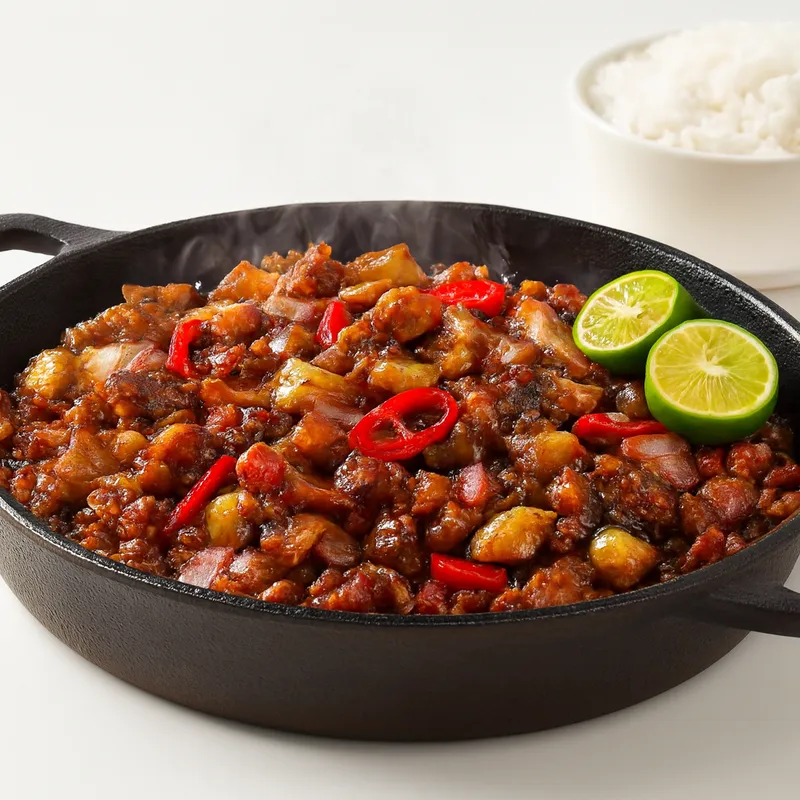
Filipino spring rolls with savory pork and vegetable filling, wrapped thin and fried until shatteringly crispy.






Brought by Hokkien Chinese traders to the Philippines as early as the 16th century — the name comes from Hokkien lūn-piáⁿ (潤餅), the soft fresh roll eaten during Qingming. Filipino cooks split the form into two streams: lumpiang sariwa (fresh, unfried, with peanut-garlic sauce) and the fried lumpiang Shanghai, which despite the name is a Filipino invention from the mid-20th century, its name is disputed — most accounts trace it to Chinese-Filipino cooks in Manila's Binondo Chinatown associating the tight pork roll with a 'Shanghai'/big-city style, rather than the port itself.
From Hokkien lūn-piáⁿ (潤餅), brought by 16th-century traders. The wrapper is closer to a crepe than a dough sheet — flour batter dabbed onto a hot griddle and peeled off.
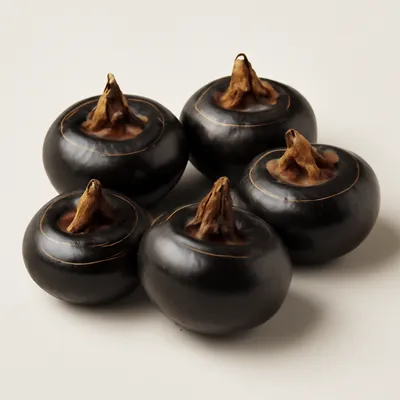
Pencil-thin rolls, golden-brown, the wrapper shattering at first bite into ground pork, minced shrimp, julienned carrot, and water chestnut bound with garlic and soy. The Shanghai-style version (lumpiang Shanghai) is the cocktail-party form — six inches long, fried hard. Dip in sweet chili or banana ketchup. If the wrapper bends instead of cracking, the oil wasn't hot enough.
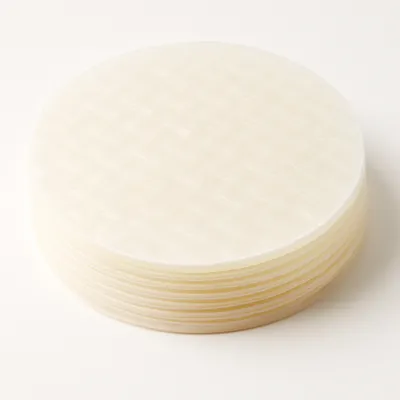
Lumpia wrappers are not spring-roll wrappers. They're thinner, more delicate, made from a wheat-flour batter dabbed onto a hot griddle and peeled off — closer to a crepe than a dough sheet. The thinness is what lets them shatter; thicker eggroll skins give a chewy crust instead of a crackle. Roll tight or the filling steams the wrapper from inside and the crispness collapses.
Variations
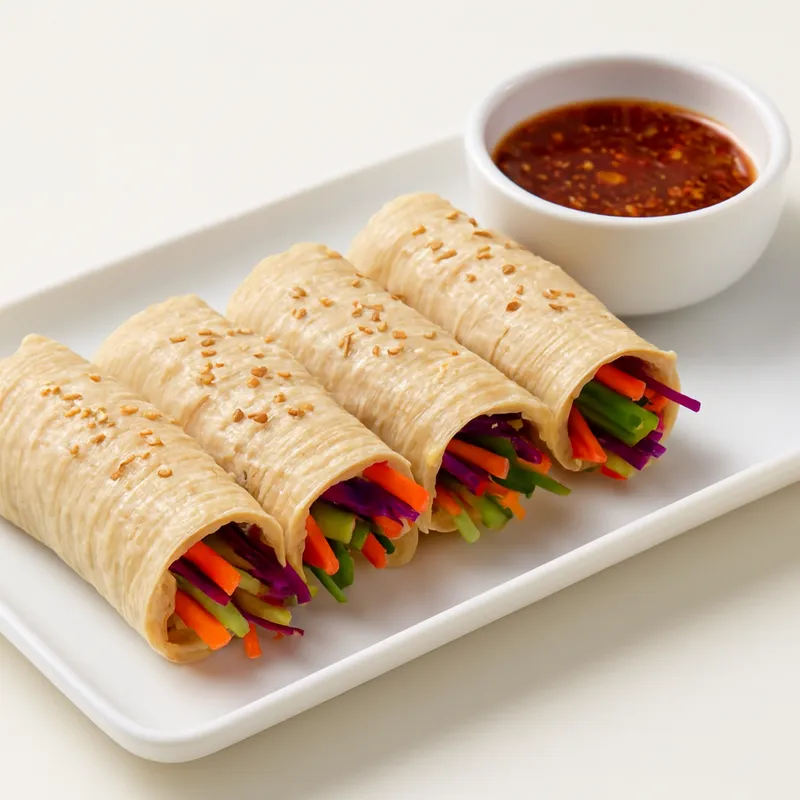
Lumpiang sariwa is the soft fresh roll with peanut-garlic sauce; lumpiang Shanghai (a mid-20th-century Manila invention) is the pencil-thin fried form; lumpiang ubod uses heart-of-palm; lumpiang hubad goes wrapper-less on a plate.
On the Palate
Where Lumpia sits in the Filipino flavor cloud
Roll each lumpia tight and thin and fry only until it crackles — a loose or thick roll steams itself from the inside and the shell goes soft instead of shattering.
Ingredients


How it's made
6 steps · 50 min
- 15 min
In a pan, heat a small amount of oil over medium heat. Add minced garlic and onions, sautéing until translucent and fragrant.
- 28 min
Add finely chopped carrot and mixed vegetables, stirring occasionally until they soften and release their natural sweetness.
- 310 min
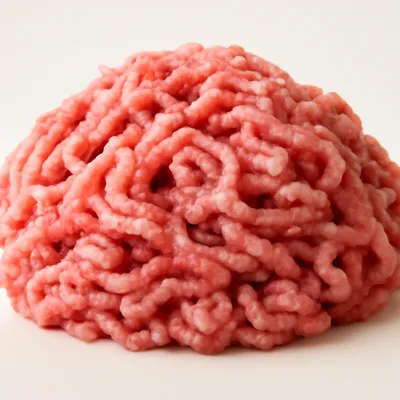
Stir in the ground meat, cooking until browned and cooked through. Season with soy sauce and black pepper, mixing well to combine flavors.
Watch outCook the meat until it's browned and the pan bottom looks dry, not glossy with liquid — a wet filling is what softens the shell.
- 410 min
Place a spoonful of the filling on a lumpia wrapper, rolling tightly to enclose. Seal the edge with a dab of water to prevent unrolling.
Watch outRoll snug and seal the flap with a dab of water; any air pocket or loose end will pop open in the oil.
- 515 min
In a deep pan, heat oil to 350°F (175°C). Fry the lumpia in batches until golden brown and crisp, about 3 minutes per side.
Watch outLook for a lively rolling boil of small bubbles around a chopstick and a golden, crackly shell — pull them the moment they color.
- 62 min
Drain on paper towels to remove excess oil, then serve immediately with a dipping sauce of choice.