Mango float, also called crema de mangga or mango graham, is a no-bake icebox cake layering graham crackers with a sweet cream of whipped cream and condensed milk and slices of ripe carabao mango. Chilled for hours, the crackers soften against the cream into soft, cake-like sheets, leaving a cool, light, fruit-forward dessert. Some make it firmer by freezing it into something close to ice cream. It is a staple of Filipino gatherings, especially in mango season.
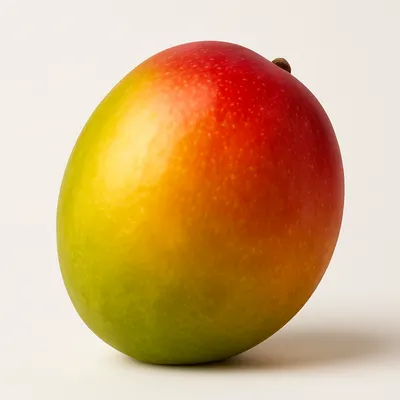



Mango float is a modern descendant of crema de fruta, a layered Filipino icebox cake of sponge or ladyfingers, sweetened cream, and fruit. The format reflects Western-style icebox cakes that spread during the American colonial period in the early twentieth century, when graham crackers became available; over time the simpler graham-and-cream assembly with the islands' prized carabao mango took on its own identity. It has no single inventor and is now one of the country's most popular home desserts.
Cool and soft throughout, with no firm crunch left: the graham layers turn tender and cake-like, the cream is light and sweetly milky, and the mango brings a bright, fragrant, slightly tart contrast that cuts the richness. Frozen versions firm up into a sliceable, ice-cream-like block while keeping the same flavours. It is gentle and refreshing rather than dense or heavy.
There is no baking and no cooking: the dessert sets purely from chilling. As it rests in the fridge, the dry graham crackers draw moisture from the surrounding cream and slowly soften, turning into tender layers that slice like cake — the same staling-in-reverse principle behind all icebox cakes. The whipped cream, stabilized and sweetened by the thick condensed milk, holds the structure and stays scoopable when cold; freezing it instead locks the cream into a denser, ice-cream-like set.
Variations
The classic uses graham crackers, but crushed-graham crusts and broas (ladyfingers) appear too, the latter bringing it back toward its crema de fruta roots. Mango is the signature, yet the same method carries other fruit. Many freeze it for a firmer, ice-cream-like result, and some add a layer of crushed graham or extra mango on top.
On the Palate
Where Mango Float sits in the Filipino flavor cloud
Ingredients
Serves 8How it's made
8 steps · 25 min
- 112 min
Peel ripe carabao mangoes and slice the cheeks thinly.
- 26 min
Whip cold cream until it holds soft peaks.
Watch outWhip the cold cream only to soft peaks before folding in the condensed milk; over-whip and it turns grainy and stiff instead of light and scoopable.
- 33 min
Fold in condensed milk to sweeten and stabilize, keeping the cream light.
- 44 min
Spread a thin layer of the cream in the base of a dish, then lay down a single layer of graham crackers.
- 54 min
Spread more cream over the crackers and arrange a layer of mango slices.
- 65 min
Repeat the layering, ending with cream on top.
- 7240 min
Cover and chill for at least four hours, or freeze for a firmer set, until the crackers have softened.
Watch outChill at least four hours until the graham crackers have softened into tender, cake-like layers; slice before they soften and the layers are still dry and crunchy.
- 85 min
Decorate with mango slices and a dusting of crushed graham before serving cold.


