Dirty Ice Cream, known properly as sorbetes, is Filipino street ice cream churned with coconut milk and carabao milk rather than heavy cream. The classic trio of flavors is ube (purple yam), cheese, and mango, scooped from colorful wooden pushcarts onto cones, cups, or split bread rolls like pandesal. The playful name comes from its being peddled on the street, not from anything in the recipe. Cheaper and lighter than commercial dairy ice cream, it is a fixture of plazas, fiestas, and schoolyard afternoons across the country.


Ice arrived in the Philippines as a luxury in the mid-19th century — an American firm, Russell and Sturgis, is recorded importing ice into the Spanish colony around 1847 — and the first sorbetes was churned by hand in a salt-and-ice tub called a garapiñera. To make it affordable, vendors switched from imported dairy to the local coconut milk and carabao milk that still define it, sometimes thickening the base with cassava flour. It is traditionally sold by roving vendors called sorbeteros, who push painted wooden carts and ring a small bell to draw a crowd; the nickname "dirty ice cream" is a tongue-in-cheek contrast with branded factory ice cream.
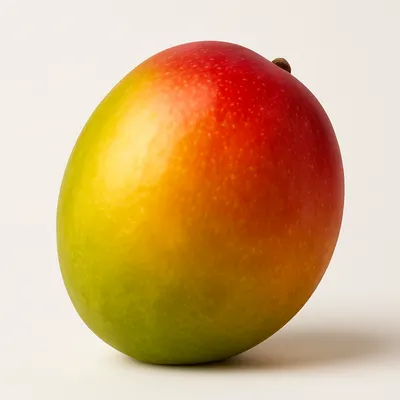
Softer and icier than premium dairy ice cream, with a clean coconut backbone underneath. Ube scoops are earthy-sweet and vividly violet; cheese is mildly salty and savory against the sugar; mango is bright and tropical. Served on pandesal, the cold scoop softens the soft roll into a sweet, slightly chewy sandwich. It melts fast in the heat, so the first licks run down the cone.
Coconut milk and carabao milk carry enough fat to give body without dairy cream, while constant churning beats in air and keeps ice crystals small for a smoother scoop. Sugar lowers the freezing point so the mix stays scoopable rather than rock-hard. In the traditional garapiñera, a metal canister of the base is spun inside a wooden tub packed with ice and rock salt; the salt drives the ice below 0°C, pulling heat out of the mix fast enough to freeze it while the crank keeps it moving.
Variations
Beyond the ube–cheese–mango standard, common flavors include chocolate, avocado, langka (jackfruit), and buko (young coconut). It is served on a sugar cone, in a cup, or wedged into pandesal or a sweet bun for a "ice cream sandwich." Modern artisanal scoops by makers such as Manila's Sebastian's and Carmen's Best build on the same coconut base with refined flavors, while the cart sorbeteros keep the classic street version alive.
On the Palate
Where Dirty Ice Cream sits in the Filipino flavor cloud
Ingredients
Serves 8
How it's made
8 steps · 30 min
- 110 min
Warm the coconut milk and carabao milk with sugar until the sugar dissolves, then cool the base completely.
- 28 min
Divide the base and flavor each portion — mashed ube, grated cheese, or pureed mango.
- 3120 min
Chill the flavored bases thoroughly in the refrigerator.
- 45 min
Pack a wooden tub or large container with crushed ice and plenty of rock salt around a metal canister.
Watch outPack plenty of rock salt in with the ice around the canister — the salt drives the ice below 0°C, cold enough to actually freeze the base.
- 515 min
Pour a flavored base into the canister and spin it steadily, scraping the frozen layer off the walls.
Watch outSpin the canister steadily and scrape the frozen layer off the walls — constant motion keeps the ice crystals fine for a smooth scoop.
- 615 min
Keep churning until the mixture thickens to a soft, scoopable ice cream.
- 7120 min
Transfer to a chilled tub and firm up in the freezer.
- 85 min
Scoop onto cones, into cups, or into split pandesal to serve.


