Yema is a soft Filipino custard candy made from egg yolks and condensed milk cooked down into a thick, fudge-like paste. The cooled mixture is rolled into little balls or shaped into pyramids and wrapped in cellophane with twisted ends. A popular version is dipped in hard caramel for a glassy, crackable shell. Sweet, milky, and rich with egg yolk, yema is a beloved merienda treat and a fixture at fiestas, fairs, and pasalubong (homecoming gift) stalls.

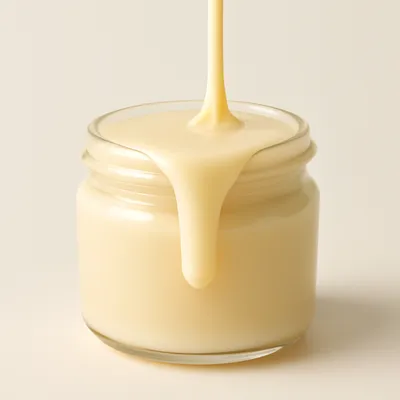



Yema descends from the Spanish yema, a convent candy whose name means "egg yolk" — the word itself names the candy's defining ingredient. It belongs to the family of Filipino egg-yolk sweets commonly traced to the colonial period (1565–1898), when egg whites were used in mortar and plaster for churches and stone buildings and the leftover yolks were turned into confections. In the Philippines the candy took on condensed milk, which became widely available under American rule, giving it the soft, milky, fudge-like body that distinguishes it from drier Spanish yemas.
Soft, smooth, and sticky, yema yields to a gentle chew and melts toward the end like thick fudge. It is intensely sweet and milky, carried by the round richness of cooked egg yolk. When caramel-coated, the first bite cracks through a brittle, glassy shell into the soft center, and the burnt-sugar edge balances the sweetness. A single piece is small but very filling.
Cooking egg yolks with condensed milk over low heat thickens the mixture as the yolk proteins gently set and water cooks off, concentrating sugar and milk solids into a pliable paste. Constant stirring keeps the yolks from scrambling and prevents scorching on the pan. As it cools, the high sugar and milk-solid content firms it enough to shape and hold a ball. The optional caramel coat is sugar cooked to hard-crack, which sets into a brittle, glassy shell around each piece.
Variations
Plain rolled balls and caramel-dipped pyramids are the two standard forms. Flavored versions fold in toasted pinipig (pounded young rice), grated cheese, ube, or chopped nuts. The town of San Pablo in Laguna is well known for yema, and yema cake — a chiffon cake frosted with a yema-style custard and often topped with grated cheese — has become a popular modern offshoot sold as pasalubong.
On the Palate
Where Yema sits in the Filipino flavor cloud
Ingredients
Serves 20How it's made
8 steps · 10 min
- 15 min
Whisk the egg yolks with condensed milk in a heavy pan until smooth.
- 215 min
Cook over low heat, stirring constantly, so the mixture does not scorch.
Watch outCook the yolk-and-milk over low heat, stirring constantly — this is what stops the yolks scrambling and keeps it from scorching on the pan.
- 38 min
Continue until it thickens into a paste that pulls away from the pan.
Watch outKeep going until the paste pulls away from the pan — that's the sign it's concentrated enough to firm up and hold a ball on cooling.
- 430 min
Stir in a little butter and vanilla, then let the mixture cool until workable.
- 510 min
Roll small portions into balls or shape into pyramids.
- 68 min
For a caramel coat, cook sugar until it turns amber and reaches the hard-crack stage.
Watch outFor the coat, cook the sugar to hard-crack amber — pull it too early and the shell stays sticky instead of setting brittle and glassy.
- 78 min
Dip each piece briefly in the hot caramel and set on parchment to harden.
- 812 min
Wrap each candy in cellophane with twisted ends.
Archive tool suggestions — not reviewed
These legacy suggestions have not been evidence-reviewed and are not presented as required tools.



