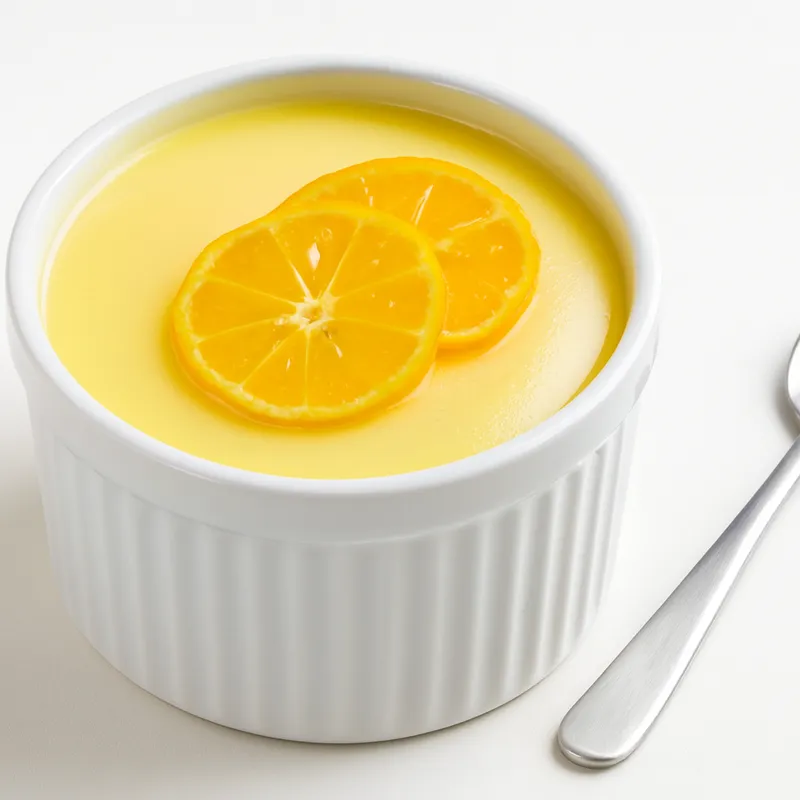
A Kapampangan milk pudding made from carabao (water buffalo) milk thickened with rice flour into a soft, set custard. The name comes from tibok, the Kapampangan word for heartbeat or pulse — as the thickening mixture cooks, it blips and bubbles like a beating heart. It is poured into a tray, chilled until firm enough to slice, and topped with latik, the golden curds left when coconut milk is cooked down. Sliced into squares, it is a classic Pampanga merienda sweet.




Tibok-tibok is rooted in Pampanga, a province historically known for dairy from its carabao herds, and the dessert is traditionally made with fresh carabao milk, which is richer and higher in fat than cow's milk. It sits within the wider Filipino family of maja-style milk-and-rice puddings; the Kapampangan version is distinguished by the carabao milk and the latik topping. The dish's age is not precisely documented, but it is long established as a regional merienda specialty rather than a recent invention.
The pudding is pale, soft, and barely set — it wobbles on the spoon and melts on the tongue, milky and gently sweet. The carabao milk reads fuller and faintly grassy compared with cow's milk. Over the top, the latik adds toasty, caramel-edged crunch and a coconut richness that cuts the plainness of the white custard. Eaten cold, it is closer to a delicate panna-cotta-like set than a stiff jelly.
Rice flour is the thickener: as the milk heats, the rice starch granules absorb liquid, swell, and gelatinize, turning the thin milk into a spoonable, set custard once cooled. The mixture must be stirred constantly over gentle heat so the starch thickens evenly without scorching on the bottom — and it is this stage of slow bubbling that gives the dish its name. The latik is made separately by simmering coconut milk until the fat separates and the solids brown into golden curds, which keep their crunch as a contrast to the soft pudding.
Variations
Where carabao milk is hard to find, cooks substitute a mix of cow's milk, evaporated milk, and coconut milk, which gives a similar richness if not the same character. Some versions lean more coconut-forward, blurring the line with maja blanca, the related coconut-milk pudding. Garnishes vary from plain latik to a dusting of sugar, and a few cooks set the pudding in small individual molds rather than one large tray.
On the Palate
Where Tibok-Tibok sits in the Filipino flavor cloud
Ingredients
Serves 8How it's made
8 steps · 15 min
- 18 min
Dissolve the rice flour and sugar in the carabao milk until smooth and lump-free.
- 22 min
Pour into a pot and set over low to medium heat.
- 310 min
Stir constantly as the mixture heats, scraping the bottom so it does not catch.
Watch outStir constantly and scrape the bottom as it heats — the rice starch catches and scorches the instant you stop.
- 415 min
Continue until it thickens to a heavy, blipping batter that just holds its shape.
Watch outCook until it's thick enough to just hold its shape and blip — pull it thin and it won't set firm enough to slice.
- 53 min
Pour the thickened pudding into a tray and smooth the top.
- 6120 min
Chill until firm enough to slice cleanly.
- 715 min
Separately, simmer coconut milk until the fat separates and the curds brown into latik.
- 85 min
Spoon the latik over the chilled pudding, then slice into squares to serve.
Archive tool suggestions — not reviewed
These legacy suggestions have not been evidence-reviewed and are not presented as required tools.