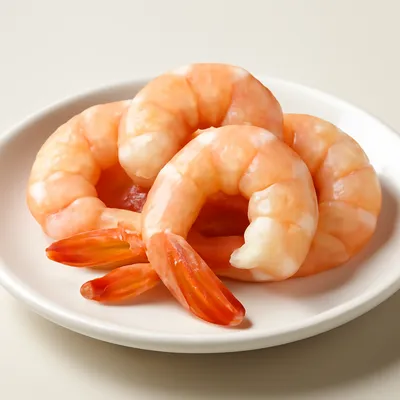
Kikiam is a Filipino-Chinese meat roll: a seasoned mixture of ground pork and shrimp bound with starch and scented with Chinese five spice, encased in a sheet of beancurd skin, steamed firm, then sliced and pan- or deep-fried. The Manila version keeps close to its Hokkien original, with a dense, sausage-like bite. As cheap street food it is sold pre-fried and skewered, dunked in a sweet-and-spicy or vinegar sauce; at home it is a frugal way to stretch a little meat. It shares a lineage with Cebu's vegetable-forward ngohiong.


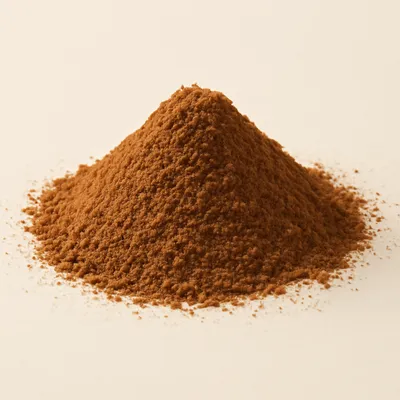


Kikiam descends from the Hokkien ngo hiang (五香, 'five spices'), brought by Fujianese immigrants and named for the five-spice powder that defines it. In Manila the dish stayed close to the Hokkien fish-and-pork roll, while Cebuano cooks reworked the same dish into the vegetable-filled ngohiong; the two are siblings from one Chinese root. The five-spice blend — star anise, cinnamon, fennel, clove, and Sichuan pepper — is the constant thread, and the beancurd-skin wrapper is the traditional casing throughout southern Chinese versions.
Fried kikiam has a thin, blistered beancurd skin that crackles, giving way to a dense, springy meat core. The filling is savory and faintly sweet, with the warm liquorice-clove hum of five spice running through it. Skewered and dipped, it turns sticky-sweet or sharply sour at the surface while staying meaty within. Each slice is a firm, sausage-like bite — chewy, aromatic, and made for eating on the move.
Mixing the ground meat hard with starch develops a sticky protein-and-starch matrix that sets into a firm, sliceable log when steamed — the same gelling principle behind fish balls and sausage. Five-spice oils are fat-soluble, so they disperse through the fatty filling and perfume it from within rather than just the surface. Steaming first cooks the roll through and firms it for clean slicing; the later fry dehydrates the beancurd skin into a crisp, blistered shell and browns the cut faces.
Variations
The Manila fish-and-pork roll is the classic; some recipes lean more on fish paste, others on pork. Cebu's ngohiong is the vegetable-forward sibling. Street versions are sliced thin and deep-fried crisp; home versions may be steamed and pan-seared. Dips range from sweet-chili and banana ketchup to a sharp vinegar-and-garlic sauce.
On the Palate
Where Kikiam sits in the Filipino flavor cloud
Ingredients
Serves 6
How it's made
8 steps · 35 min
- 18 min
Mince the shrimp and combine with ground pork, five-spice powder, soy, garlic, and starch.
- 25 min
Mix the filling vigorously until sticky and cohesive.
Watch outMix the filling vigorously until it turns sticky and cohesive — that tacky protein-starch bind is what sets the roll into a firm, sliceable log.
- 38 min
Spread a line of filling along a sheet of beancurd skin and roll into a firm log, sealing the edge with a little water.
- 420 min
Steam the rolls until set and cooked through, then cool.
Watch outSteam the rolls until set and cooked through before frying — this firms them for clean slicing; skip it and they slump apart in the oil.
- 54 min
Slice the cooled rolls on a slight diagonal.
- 68 min
Pan-fry or deep-fry the slices until the skin is crisp and blistered.
Watch outFry the slices until the skin is crisp and blistered — the second fry dries the beancurd skin into a crackly shell and browns the cut faces.
- 72 min
Drain on a rack.
- 82 min
Skewer or plate and serve hot with a sweet-chili or vinegar-garlic dip.
Archive tool suggestions — not reviewed
These legacy suggestions have not been evidence-reviewed and are not presented as required tools.