Pork siomai is the Filipino open-topped steamed dumpling: a thin wonton wrapper cupping a packed filling of ground pork and shrimp bound with minced water chestnut and carrot, pleated open at the top and steamed in a basket. It is sold everywhere — from food courts to roadside steamers — by the cup, served with a sauce diners build themselves: soy sauce, a hard squeeze of calamansi, and a spoon of toasted chili-garlic oil. Plumper and meatier than the Cantonese siu mai it descends from, it is among the most ubiquitous Tsinoy snacks in the country.





Siomai descends from the Cantonese siu mai (烧卖), a dim-sum dumpling carried to the Philippines by Chinese migrants and long sold in the Binondo Chinatown that Fujianese and Cantonese traders had settled from the late 16th century. Over generations the Filipino form grew larger and porkier, and acquired its defining table sauce: soy with calamansi, the small native citrus, plus toasted chili-garlic oil. The result is a dumpling Chinese in technique but Filipino in seasoning, eaten less as banquet dim sum than as cheap everyday merienda.
The wrapper is thin and slightly chewy, giving way to a dense, bouncy pork-and-shrimp center that snaps cleanly. The shrimp lends sweetness and a springy bite; water chestnut threads through with cool crunch. Then the sauce hits: salty soy, sharp floral calamansi, and a slow chili-garlic heat that pools in the open top. Each one is a single hot, savory mouthful.
Mixing the ground pork vigorously, sometimes with a little starch, develops a sticky myosin matrix that holds water and gives the filling its springy, cohesive bounce when steamed. The minced shrimp adds its own gel and sweetness, while water chestnut stays crisp because its cell walls resist softening even with heat. Steaming cooks the dumpling gently through without browning, keeping the wrapper supple. The sauce is assembled raw at the table so the calamansi's volatile aromatics stay bright rather than cooking off.
Variations
Pork-and-shrimp is standard, but beef siomai and all-shrimp versions are common; some add mushroom or a sliver of carrot on top. Fried siomai, crisped in oil instead of steamed, is a popular street variant. The 'chili-garlic' oil ranges from mild to fierce, and many eat siomai over a cup of plain rice as a quick meal.
On the Palate
Where Pork Siomai sits in the Filipino flavor cloud
Ingredients
Serves 6

How it's made
8 steps · 35 min
- 18 min
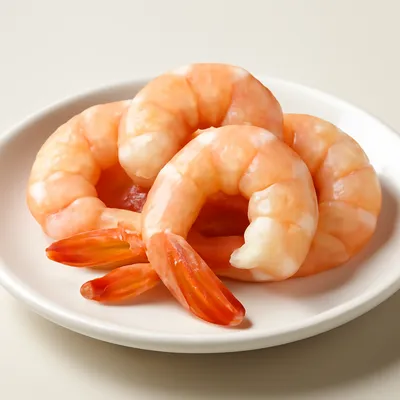
Mince the shrimp and chop water chestnut and carrot finely.
- 27 min
Combine ground pork with the shrimp, vegetables, soy, sesame oil, and a little starch; mix vigorously until sticky.
Watch outMix the pork vigorously until it turns sticky and stringy — that developed protein is what gives the filling its springy bounce when steamed.
- 35 min
Place a spoon of filling in the center of each wrapper.
- 46 min
Gather the wrapper around the filling, leaving the top open, and press into a cylinder; flatten the base so it stands.
- 53 min
Tap the filling down and smooth the open top.
- 63 min
Arrange in a lined steamer, spaced apart.
- 712 min
Steam over high heat until firm and cooked through.
Watch outSteam over high heat just until firm and cooked through — gentle steaming keeps the wrapper supple; oversteam and it toughens and dries.
- 82 min
Serve hot with soy, calamansi, and chili-garlic oil mixed to taste.
Archive tool suggestions — not reviewed
These legacy suggestions have not been evidence-reviewed and are not presented as required tools.


