Pichi-pichi is a soft, translucent steamed cake of grated cassava, sugar, and water, usually scented with pandan. The batter sets in small molds into a jelly-like, springy disc, then each piece is rolled in freshly grated coconut so it turns out furred and white. Grated cheese or latik (toasted coconut-milk curds) stand in for the coconut in many versions. It is a quiet, chewy merienda eaten by hand, neither rich nor very sweet.
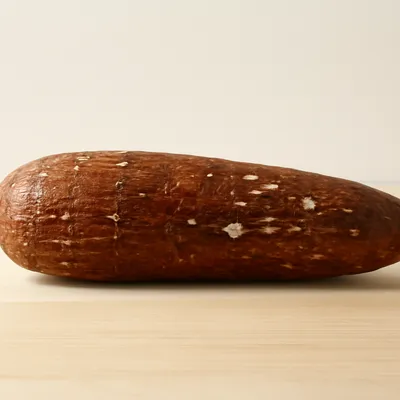


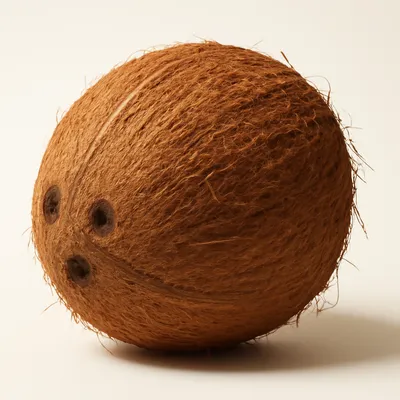


Pichi-pichi is a Tagalog kakanin most closely tied to Quezon province, and especially to Lucban, where it features among the rice-and-root delicacies of the Pahiyas harvest festival. The name is often traced to the word pichi, meaning 'small,' though this origin is uncertain. Like much of the Filipino kakanin canon it has no fixed inventor; it sits within a broad family of steamed cassava and rice sweets sold at markets and brought home as pasalubong.
The texture is the whole point: glassy, bouncy, and gently sticky, somewhere between firm jelly and mochi, yielding to the teeth without melting. The cassava itself is mild and faintly sweet, the pandan giving a grassy, vanilla-like lift. The coconut coating adds cool moisture and a clean nutty edge; cheese versions trade that for a salty contrast against the sweet body.
Cassava is naturally high in starch, and as the grated pulp steams, the starch granules swell and gelatinize into a cohesive, see-through gel that holds a springy shape once cool. Many cooks add a little lye water (lihiya) or, more commonly today, a pinch of baking soda; the mild alkali raises the pH, helping the starch set chewier and clearer and deepening the colour slightly. Steaming rather than baking keeps the cake moist and prevents a crust, and rolling each warm piece in coconut both flavours it and stops the sticky surfaces from fusing.
Variations
The classic coating is grated coconut; a cheese-topped version is now just as popular, and some shops finish it with latik curds. Pandan is the default scent, but ube, langka (jackfruit), or plain unflavoured batter all appear. Lye water gives a more old-fashioned chew and amber tint, while baking-soda recipes stay paler and softer.
On the Palate
Where Pichi-Pichi sits in the Filipino flavor cloud
Ingredients
Serves 8How it's made
8 steps · 20 min
- 112 min
Peel and finely grate fresh cassava, then squeeze out and discard a little of the excess liquid so the batter is moist but not watery.
- 25 min
Steep pandan leaves in warm water, or stir in pandan extract, to make a fragrant liquid.
- 34 min
Mix the grated cassava with sugar, the pandan water, and a small pinch of baking soda (or a few drops of lye water) until smooth.
Watch outSqueeze out only a little of the cassava's liquid — moist but not watery, or the batter won't set into that springy, translucent gel.
- 45 min
Lightly grease small heatproof molds and spoon in the batter, filling each about three-quarters full.
- 538 min
Steam over rapidly boiling water for about 30 to 40 minutes, until the cakes turn translucent and spring back when pressed.
Watch outSteam until the cakes turn translucent and spring back when pressed — that see-through look means the starch has gelatinized and set.
- 615 min
Cool until just warm and firm enough to unmold cleanly.
- 76 min
Roll each piece in freshly grated coconut, or top with grated cheese, until fully coated.
- 82 min
Serve at room temperature or lightly chilled.
Archive tool suggestions — not reviewed
These legacy suggestions have not been evidence-reviewed and are not presented as required tools.
