Kutsinta is a small, chewy, jelly-like steamed rice cake, deep amber-brown and faintly sweet. It is made from a thin rice batter set with lye water and tinted with annatto, steamed in shallow molds until it turns translucent and bouncy. Each one is served crowned with a spoonful of freshly grated coconut, which cuts the sweetness with a little salt and richness. It belongs to the everyday merienda and is a fixture of the bilao platters of mixed rice cakes sold at Filipino markets.
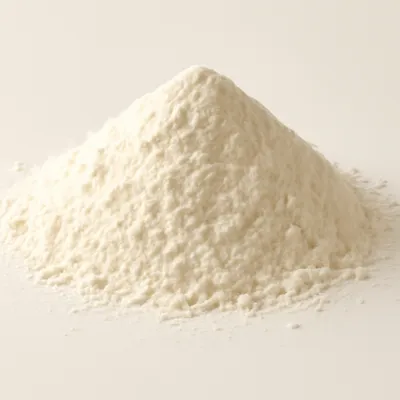
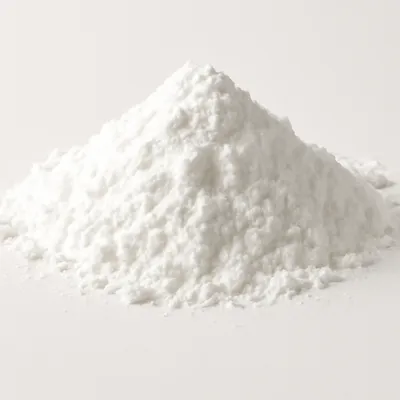


Kutsinta is an old Filipino kakanin, and several accounts trace its name to a Hokkien-Chinese term for a small cake, pointing to the deep Chinese-Filipino trade and culinary exchange in the islands. That etymology is repeated widely but not firmly documented, so it is best read as a likely Chinese influence rather than a settled fact. What is clear is that the cake adapted to local ingredients — annatto for color, native rice, and the grated-coconut topping — and became a pan-Filipino merienda staple sold cheaply across the country.
The texture is the draw: dense, smooth, and bouncy, somewhere between a firm jelly and a steamed pudding, with a clean spring under the teeth. The flavor is mild and brown-sugary, the annatto contributing color more than taste. The grated coconut on top is essential — its faint salt and coconut fat lift what would otherwise be a one-note sweetness. Eaten at room temperature, often picked up and eaten whole in two bites.
Lye water (an alkaline solution) is what makes kutsinta chewy rather than fluffy: raising the batter's pH changes how the rice starch sets, cross-linking it into a dense, translucent, gelatin-like texture instead of an airy crumb. The high proportion of liquid to flour keeps it soft and jiggly, while steam sets it gently and evenly. Annatto seeds, steeped in water, lend the signature brown-orange hue. Too much lye turns it bitter and rubbery, so the dose is small and deliberate.
Variations
The most common change is the coconut topping: plain grated coconut, or a richer drizzle of latik (coconut-cream curds and syrup). Some cooks darken and deepen the flavor with muscovado or brown sugar instead of white; others skip annatto for a paler cake. A cheese-topped version mirrors the savory-sweet pairing seen on puto, and street vendors often sell kutsinta nested beside puto on the same bilao tray.
On the Palate
Where Kutsinta sits in the Filipino flavor cloud
Ingredients
Serves 12How it's made
8 steps · 15 min
- 110 min
Steep annatto seeds in warm water until the water runs deep orange, then strain.
- 24 min
Whisk rice flour, a little tapioca or cornstarch, and brown sugar into the annatto water until smooth.
- 32 min
Stir in the lye water carefully — only the small measured amount.
Watch outStir in only the small measured amount of lye water — too much turns the cake bitter and rubbery instead of chewy and translucent.
- 44 min
Strain the batter to catch any lumps and grease the shallow molds.
- 53 min
Bring the steamer to a strong boil and fill each mold nearly full.
- 630 min
Steam covered over medium-high heat until the cakes turn translucent and set.
Watch outSteam until the cakes turn translucent and set — the alkali cross-links the rice starch into that dense, jelly-like chew.
- 715 min
Cool until firm and bouncy, then loosen and turn out of the molds.
- 83 min
Top each with freshly grated coconut before serving.
Archive tool suggestions — not reviewed
These legacy suggestions have not been evidence-reviewed and are not presented as required tools.


