Puto is the everyday Filipino steamed rice cake — soft, faintly sweet, and pure white, set in small cupcake-shaped molds. Made from a rice batter and steamed rather than baked, it carries little pillows of crumb that pull apart cleanly. The classic finish is a single square of melting cheese or a slice of salted duck egg on each one. It is eaten as merienda on its own and, just as often, served alongside savory dishes like dinuguan or pancit.



Puto descends from the rice-cake tradition that runs through Southeast Asia, and most accounts link it to the Indian-Malay steamed cake puttu, carried into the islands along old maritime trade routes. The Filipino form turned it sweet and pale and tied it to merienda and fiesta tables across the country. Older recipes leaned on galapong, the soaked-and-ground rice batter left to sour overnight; today most home cooks use rice flour and a chemical leavener for speed. The exact route of arrival is not firmly settled, but the dish is plainly an old, pan-Filipino staple rather than a regional one.
Each little cake is bone-white, domed, and springy — a clean, cottony crumb that tears in soft tufts. The taste is gently sweet, almost milky, a quiet backdrop for the toppings. A square of cheese turns molten and salty against the sweet steam; a sliver of salted duck egg drives it the other way, deep and savory. Warm from the steamer it is at its best, the surface just tacky to the touch.
Steam, not dry oven heat, is the whole point: gentle, water-saturated heat sets the starch without forming a crust, so the crumb stays pale and moist. The structure comes from rice starch swelling and gelatinizing as it cooks, while the leavener — historically wild-yeast fermentation in the galapong, now usually baking powder — throws off gas that lifts the batter into that light, open crumb. Pouring the batter only part-way up each mold leaves room for it to dome as it rises.
Variations
Puto cheese (puto queso), each cake capped with cheese, is the modern default; puto puti is the plain white version with no topping. Puto pao hides a sweet pork or bean filling inside, a Chinese-Filipino crossover with siopao. Puto biñan from Laguna is firmer and uses true galapong; puto Calasiao from Pangasinan is tiny, sticky, and sold by the bagful; and brightly colored versions tint the batter pink, yellow, or pandan-green for parties.
On the Palate
Where Puto sits in the Filipino flavor cloud
Ingredients
Serves 12
How it's made
8 steps · 20 min
- 13 min
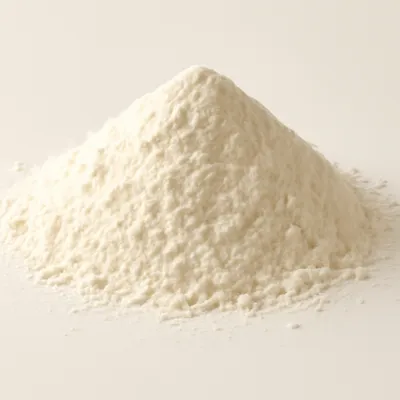
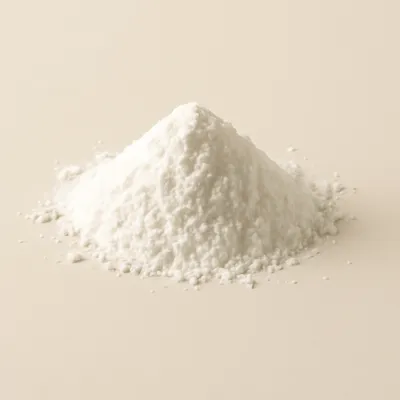
Whisk rice flour, sugar, baking powder, and a pinch of salt together in a bowl.
- 23 min
Pour in water and a little evaporated milk, and stir to a smooth, pourable batter.
- 35 min
Rest the batter briefly and skim off any large bubbles.
- 48 min
Grease the small puto molds and bring water in the steamer to a rolling boil.
- 53 min
Fill each mold about two-thirds full so the cakes have room to dome.
Watch outFill each mold only about two-thirds — the batter needs room to dome as it rises, or it overflows and the cakes come out flat.
- 618 min
Steam covered with a cloth-wrapped lid over medium heat until set and springy.
Watch outSteam under a cloth-wrapped lid until set and springy — the cloth catches the drips so no water pocks the smooth surface; press one to check it bounces back.
- 74 min
Lay a square of cheese or a slice of salted egg on each cake for the last few minutes.
- 85 min
Let cool slightly, then unmold and serve warm.
Archive tool suggestions — not reviewed
These legacy suggestions have not been evidence-reviewed and are not presented as required tools.