A Kodava rice-noodle preparation: a hot-water rice-flour dough is pressed through a string-hopper mold into fine nests, then steamed. The result is soft, light strands that soak up a curry — the Coorg counterpart of Kerala's idiyappam and the second classic accompaniment to pandi curry.
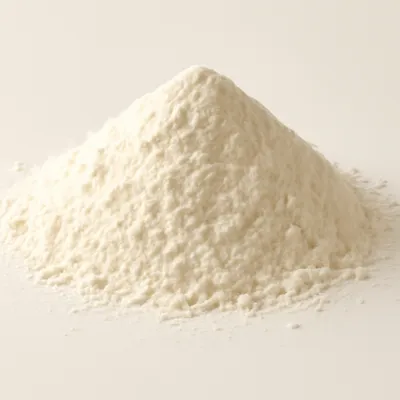


Noolputtu (nuuputtu, noolappam) is the Kodava form of a string-hopper preparation shared across southern India and Sri Lanka — known as idiyappam in Kerala, noolappam in Tamil, ottu shavige in some Karnataka regions, and noolputtu in Coorg. The Kodava version is the local staple paired, like kadumbuttu, with pandi curry or koli curry (chicken). It is made from rice flour cooked into a dough with boiling water, pressed through a perforated press into thin vermicelli-like strands, gathered into flat nests on a mat or leaf, and steamed. The use of a press to extrude a rice dough into strands is an old technique across South and Southeast Asia, and the Kodava home made its rice flour from locally grown rice. The point of the strand form is to maximize the surface that soaks up a thin or oily curry without the noodles losing their soft, separate texture.
Light, soft, slightly chewy rice strands that drink in a curry's gravy while keeping their delicate, separate texture.
The dough is the key. Mixing rice flour with boiling (not warm) water partially gelatinizes its starch immediately, giving a smooth, pliable dough that holds together well enough to be extruded through fine holes without tearing; using cold water would leave a crumbly mass that breaks in the press. Steaming then fully gelatinizes the strands without submerging them in water, so they cook through while remaining separate and slightly chewy rather than turning to paste. Because rice flour has almost no gluten, the strands cannot develop the elastic spring of a wheat noodle — they set soft instead, and their many fine surfaces wick up a curry's liquid by capillary action. Pressing into thin nests rather than a solid mass maximizes that surface area per bite.
Variations
Coconut and sugar, or sweet coconut milk, turns noolputtu into a breakfast dish; the Kerala idiyappam is the same technique, and a wheat-flour variant is made where rice is scarce.
On the Palate
Where Noolputtu sits in the Indian flavor cloud
Ingredients
Serves 4How it's made
6 steps · 15 min
- 14 min
Bring water to a boil with salt and a little oil.
- 24 min
Add rice flour, stir to a smooth dough, cover, and let it rest briefly while still hot.
Watch outMix the rice flour with boiling, not warm, water — that flash of heat part-cooks the starch so the dough presses into strands instead of crumbling.
- 34 min
Knead the dough until soft and pliable, adding a little hot water if it cracks.
- 45 min
Fill a string-hopper or murukku press with the dough and extrude thin strands in circular nests onto a steamer plate or banana leaf.
- 56 min
Steam until the nests are cooked through and just firm.
Watch outSteam the nests just until set and firm — over-steam and the strands slump together into a paste instead of staying separate.
- 62 min
Serve hot with pandi curry, chicken curry, or sweetened coconut milk.
Archive tool suggestions — not reviewed
These legacy suggestions have not been evidence-reviewed and are not presented as required tools.


