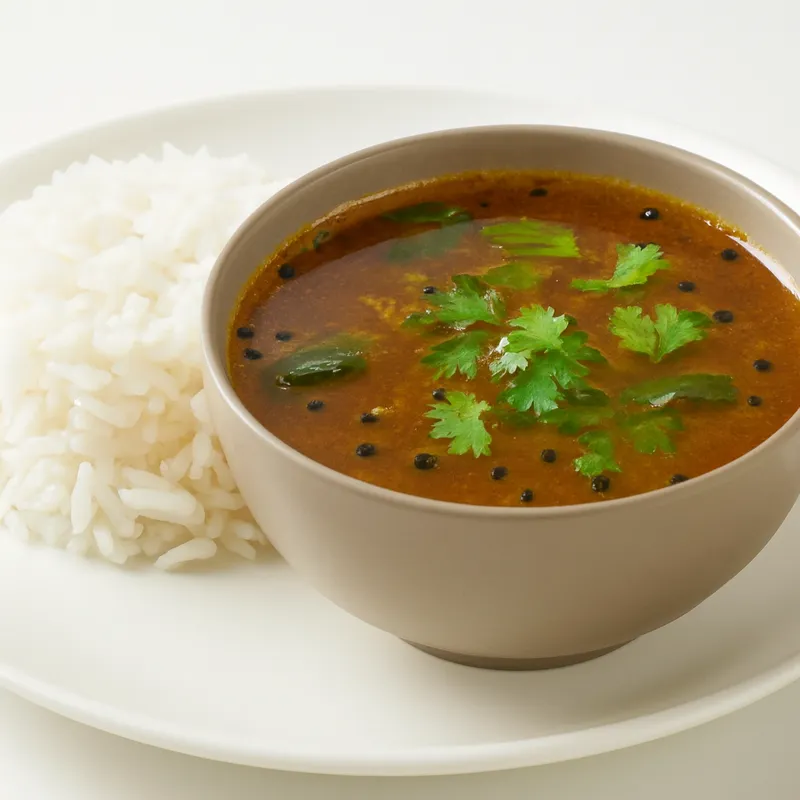
Sacred Goan festival sweet shared by Hindu and Catholic communities alike, in which a thin paste of raw rice flour is spread on the inner surface of fresh turmeric leaves, filled with sweetened grated coconut and palm jaggery, then folded and steam-cooked. The turmeric leaf releases its earthy, mildly medicinal aroma into the rice during steaming, producing a fragrance that is inseparable from Goa's monsoon festival calendar.



Patoleo traces to the Saraswat Brahmin communities of the Konkan coast, where the combination of rice, coconut, and palm jaggery wrapped in aromatic leaves reflects the pre-Portuguese monsoon pantry of the region. Hindu Goans prepare it for Nag Panchami — the fifth day of the bright lunar fortnight of Shravana, dedicated to serpent deity worship — as well as Hartalika (the eve of Ganesh Chaturthi) and the second Sunday of Shravan. Goan Catholics later adopted the same sweet for the feast of the Assumption of Mary on 15 August, aligning it with the first corn harvest of the season. Salt-free patoleo are offered to Goddess Parvati, who in Konkani tradition is said to have craved them during her divine pregnancy. In earlier generations the sweet was also distributed to mark house completions and newborn arrivals, and was used as a folk remedy for whooping cough.
The thin steamed rice coating peels cleanly from the leaf with a soft, slightly chewy, mochi-like bite; the coconut-jaggery filling is dense, caramel-warm, and fragrant with cardamom; every mouthful carries the ghost aroma of turmeric leaf — green, faintly medicinal, distinctly coastal Indian.
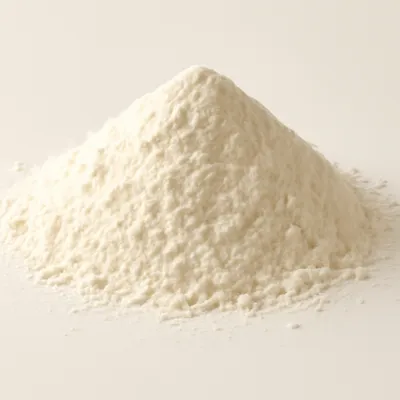
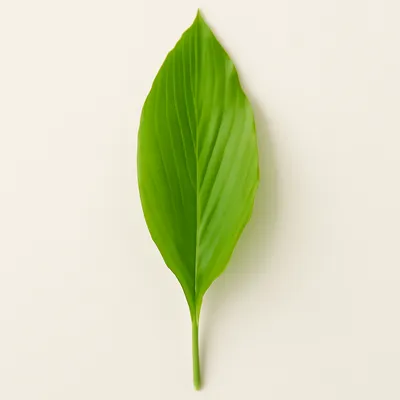
Rice flour paste spread on the turmeric leaf gelatinizes during steaming: starch granules absorb moisture, swell, and lose their crystalline structure, forming a soft, cohesive gel sheet that sets against the leaf surface. The turmeric leaf acts as both mould and flavour-transfer medium — steam forces the leaf's volatile essential oils (including ar-turmerone and phellandrene) to migrate into the moist rice surface, creating an aroma no other leaf replicates. Palm jaggery in the filling melts partially during steaming, binding the grated coconut into a cohesive mass; mild thermal reactions between its sugars and the coconut proteins generate the caramel-like warmth in the finish.
Variations
Catholic Goan versions sometimes use parboiled rice flour for a slightly firmer texture; some families add a pinch of nutmeg to the coconut filling alongside cardamom; a lighter variant replaces palm jaggery with coconut jaggery for a milder sweetness; the comparable Keralan sweet ely ada uses banana leaves instead of turmeric leaves, yielding an entirely different aroma profile.
On the Palate
Where Patoleo sits in the Indian flavor cloud
Ingredients
Serves 4How it's made
6 steps · 20 min
- 115 min
Mix raw rice flour with water a little at a time, stirring to combine, until a smooth, thick, lump-free, spreadable paste forms; rest 10 minutes.
Watch outAdd water little by little until the rice paste is thick, smooth and spreadable — too thin and it slides off the leaf instead of setting into a sheet.
- 210 min
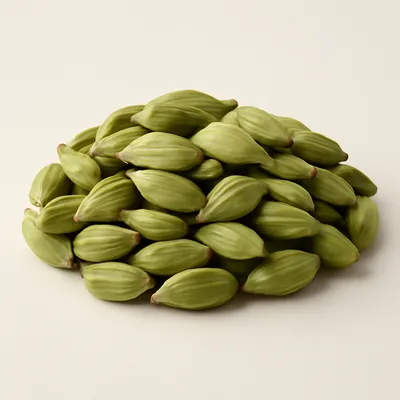
Grate fresh coconut finely; mix with grated palm jaggery and a pinch of ground cardamom to form the filling.
- 35 min
Wash fresh turmeric leaves gently; pat completely dry; lay each flat with the inner (lighter, ribbed) side facing up.
- 410 min
Using wet fingers or the back of a spoon, spread a thin, even layer of rice paste down the center of each leaf, leaving a 1 cm border on all sides.
Watch outSpread the paste thin and even, leaving a border — a thick or patchy layer steams unevenly and won't peel cleanly off the turmeric leaf.
- 55 min
Place a heaped tablespoon of coconut-jaggery filling along the center of the paste; fold the leaf lengthwise to enclose the filling and press gently to seal the edges.
- 620 min
Arrange sealed leaf parcels in a steamer basket over vigorously boiling water; steam for 15-20 minutes until the rice coating is set, opaque white, and peels cleanly from the leaf.
Watch outSteam fifteen to twenty minutes until the coating turns opaque white and peels cleanly from the leaf — that clean release means the starch has set.
Archive tool suggestions — not reviewed
These legacy suggestions have not been evidence-reviewed and are not presented as required tools.