A coastal Karnataka specialty of colocasia (taro) leaves smeared with a spiced rice-and-lentil batter, rolled into a log, steamed, and sliced into pinwheels. The slices are often finished with a tempering and a quick pan-fry. Tart tamarind in the batter is essential — it neutralizes the itch-causing calcium oxalate crystals in the leaves.
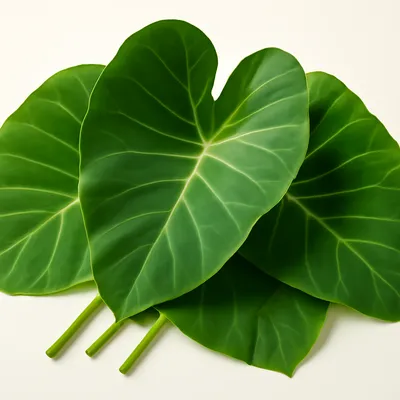

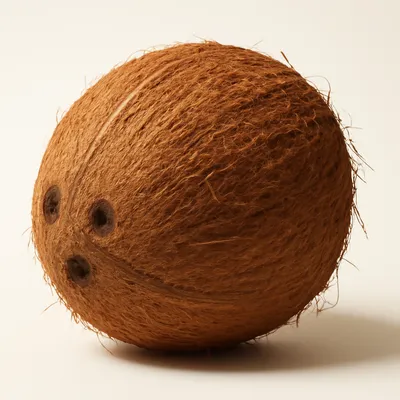
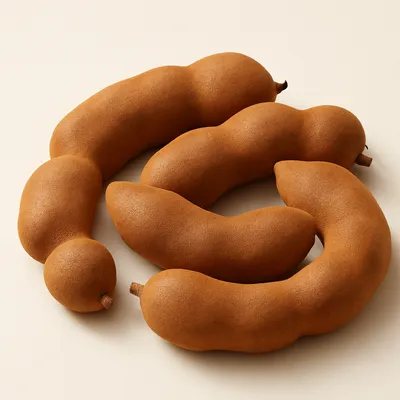


Patrode (patrodo, pathrado) is a steamed delicacy of the Konkani-speaking communities of coastal Karnataka — Dakshina Kannada and Udupi — especially the Gaud Saraswat Brahmins, and it is also made by Tulu and Kodava households. The colocasia leaf, called kesu in Kannada and traversal across the region's gardens, is the base; it is smeared with a spiced batter of soaked rice, lentils (moong, urad, or chana), coconut, dried red chili, and tamarind, rolled tightly while still fresh, and steamed. The same colocasia-leaf-and-batter idea appears across India under different names — Gujarati patra and Maharashtrian alu vadi — but those use a gram-flour (besan) batter, whereas the Karnataka patrode uses a rice-and-lentil batter closer to a dosa base. The defining reason for the tamarind in the batter is practical, not just flavorful: raw colocasia leaves contain needle-shaped calcium oxalate crystals that scratch the throat and mouth, and the acid, along with thorough steaming, breaks them down so the leaves become pleasant to eat.
Tender, earthy taro leaf layered with a tangy, mildly spicy rice-coconut batter; pan-fried edges turn crisp while the center stays soft and moist.
Two transformations matter. First, steaming gelatinizes the rice and lentil starches in the batter into a cohesive layer that binds the leaves together and gives the slice its soft, slightly chewy body; the same heat, sustained for long enough, dissolves the calcium oxalate raphides in the colocasia leaf that would otherwise irritate the throat, which is why patrode is steamed thoroughly, not briefly. Second, the tamarind's citric and tartaric acid help by both flavoring the batter and accelerating the breakdown of those crystals. The final tempering and pan-fry in oil serve a textural purpose: the flat cut face of the slice dehydrates and browns through Maillard reactions on the sparse batter proteins, forming a crisp base that contrasts with the still-moist interior.
Variations
A slice can be pan-fried in oil as oggarane, or served steamed and plain with coconut oil; some add jaggery for a sweet-sour note, and the Gujarati patra is the besan-based cousin.
On the Palate
Where Patrode sits in the Indian flavor cloud
Ingredients
Serves 5
How it's made
6 steps · 30 min
- 18 min
Soak rice with a little urad dal and chana dal for a few hours.
- 26 min
Drain and grind with coconut, dried red chili, tamarind, coriander, and asafoetida to a thick, spiced batter.
- 36 min
Wash and de-vein fresh colocasia leaves, then lay them flat, underside up.
- 46 min
Spread the batter thinly across each leaf, stack, fold in the sides, and roll into a tight log.
- 512 min
Steam the log for about 30 minutes until the leaves are tender and the batter is set.
Watch outSteam the full ~30 minutes until the leaves are tender and the batter is set — thorough steaming is what dissolves the leaf's throat-itching crystals; a quick steam leaves them.
- 68 min
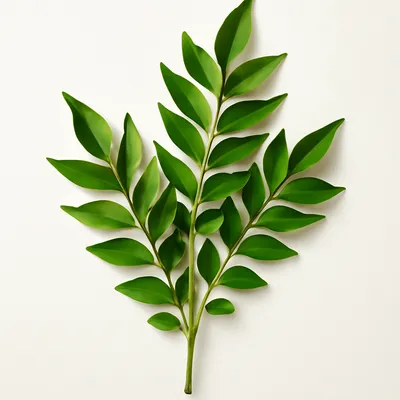
Cool slightly, slice into pinwheels, and either serve plain or pan-fry the slices in a tempering of mustard and curry leaf.
Archive tool suggestions — not reviewed
These legacy suggestions have not been evidence-reviewed and are not presented as required tools.


