A protein-rich steamed lentil dumpling of Karnataka: soaked toor and chana dal are coarsely ground with chili and ginger, mixed with grated coconut, dill, and curry leaf, shaped into ovals, and steamed. Eaten with coconut chutney or a thin dal called unde huli, it is zero-oil Udupi-style home food.
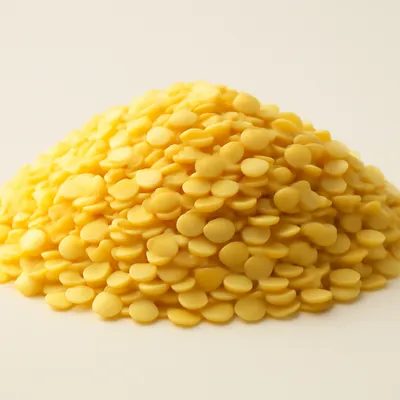

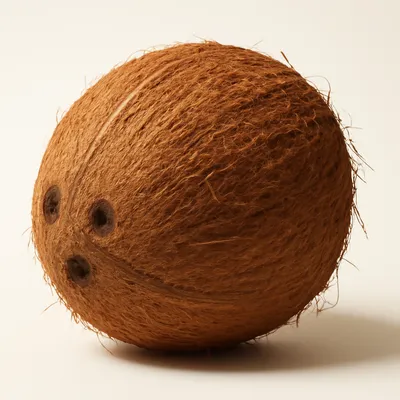
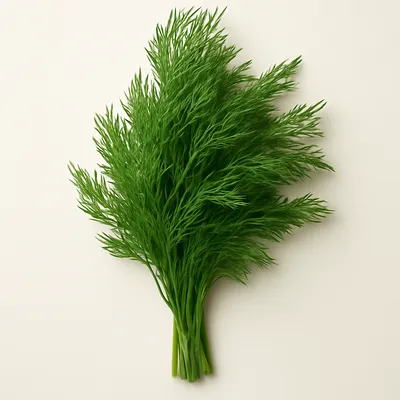

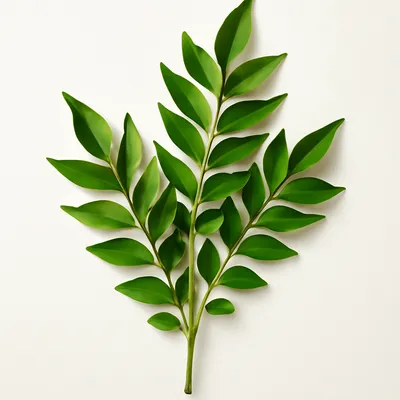
Nuchinunde (nucchina unde) is a steamed lentil preparation of Karnataka, especially associated with the Hebbar Iyengar community and the Udupi temple-kitchen tradition of the state's coast. The name is plain Kannada: nuchu for coarsely split lentils, unde for a dumpling or ball. It belongs to the older South Indian practice of steaming, rather than frying, lentil and rice batters — the same logic that gives the region its idli — and within Karnataka it is one of the protein-dense, no-oil preparations favored by vegetarian households and temple kitchens. The signature herb folded into the paste is dill (sabsige soppu), whose anise-like aroma is the dish's identifying note; coconut, curry leaf, and sometimes onion are common additions. Unlike the Gujarati dal muthia, which uses gram flour, nuchinunde is built on whole soaked dals ground coarse, giving it a distinctively grainy, beany texture. It is served at breakfast or as a light supper, with a coconut chutney or the thin, dal-based curry called unde huli.
Firm, slightly grainy lentil with a fresh, herbaceous dill-coconut aroma and a soft, moist crumb that never feels heavy.
Because the dumpling is steamed, not fried, its texture depends on how the lentils are handled. The soaked toor and chana dal are ground coarse, with minimal water, so that some granules remain whole and the paste stays dense rather than turning smooth like a dosa batter; this preserves the beany bite and keeps the cooked dumpling from turning rubbery. Steaming at around 100°C gelatinizes the dal's starch and denatures its proteins just enough to bind the mass together without drying it out — there is no Maillard browning in steam, which is why the dumpling stays pale. The coconut adds fat that keeps the crumb moist, and the dill's volatile aromatics survive steaming because they are trapped inside the dense lentil mass rather than exposed to direct heat. The result is dense in protein and water, which is why nuchinunde feels filling but light.
Variations
Some add chopped onion; a version without dill uses more coconut and coriander, and the dumplings are sometimes crumbled into the unde huli dal to make a thicker stew.
On the Palate
Where Nuchinunde sits in the Indian flavor cloud
Ingredients
Serves 4
How it's made
6 steps · 20 min
- 18 min
Soak toor dal and chana dal for two to three hours, then drain.
- 25 min
Grind the dals coarsely with green chili, ginger, and very little water.
Watch outGrind the dal coarse with barely any water — grind it smooth like dosa batter and the steamed dumpling turns rubbery instead of keeping its beany bite.
- 34 min
Mix in grated coconut, chopped dill, curry leaves, coriander, cumin, asafoetida, and salt.
- 44 min
Shape the mixture into small oval dumplings with greased palms.
- 55 min
Steam the dumplings for about 15 minutes until set and cooked through.
Watch outSteam about fifteen minutes just until set through — there's no browning in steam, so judge by firmness, not color.
- 62 min
Serve warm with coconut chutney or unde huli, a thin dal-based curry.
Archive tool suggestions — not reviewed
These legacy suggestions have not been evidence-reviewed and are not presented as required tools.


